Category: Appliance repair

  • Why Coffee Machines Break Down in Dubai’s Environment

    Why Coffee Machines Break Down in Dubai’s Environment

    In Dubai, coffee culture is thriving—from bustling specialty cafés in Al Karama and Sheikh Hamdan Colony to busy corporate office pantries and home espresso setups. Yet, operating precision brewing equipment in the UAE presents unique environmental and operational challenges. Even high-end residential and commercial espresso machines can suffer premature wear, pressure loss, or sudden electrical faults if they aren’t maintained for local conditions.

    Understanding how Dubai’s water profile, climate, and high-volume usage affect internal components helps you prevent unexpected breakdowns and extend the lifespan of your machine.

    1. Hard, Mineral-Dense Water & Rapid Limescale Buildup

    Water makes up roughly 98% of a brewed cup of coffee, and Dubai’s desalinated municipal supply contains dissolved minerals such as calcium and magnesium. When water is repeatedly heated to 90°C–96°C inside narrow thermoblock coils or brass boilers, those minerals precipitate out as hard limescale (calcium carbonate).

    • Thermal Insulation & Element Burnout: Limescale coats heating elements like a thick crust, trapping heat and forcing elements to work overtime until they overheat and burn out.
    • Choked Pipes & Solenoid Valves: Narrow copper lines, flow meters, and three-way solenoid valves gradually clog with mineral deposits, leading to sputtering extractions, weak steam pressure, and lukewarm shots.
    • Pump Strain: When scale narrows internal waterways, vibration and rotary pumps must push against excessive backpressure, accelerating internal seal wear and motor failure.

    2. High Ambient Heat & Thermal Stress on Seals and Electronics

    Dubai’s warm ambient temperatures—especially in commercial kitchens, cafés near open storefronts, or apartments where AC is turned down while residents are away—compound the internal heat already generated by espresso boilers.

    • Degraded Rubber Gaskets & O-Rings: Continuous exposure to high heat dries out silicone tubing, boiler O-rings, and group head rubber gaskets. Once rubber hardens and cracks, pressurized water leaks internally onto electrical wiring or sprays out around the portafilter.
    • Control Board & Sensor Drift: Excessive ambient heat combined with poor cabinet ventilation stresses microprocessor control boards, solid-state relays, and NTC temperature sensors, triggering erratic brewing temperatures or unresolvable error codes.

    3. Coastal Humidity & Fine Airborne Dust

    Dubai’s coastal humidity and seasonal desert dust storms create two subtle mechanical hazards inside automatic and semi-automatic coffee machines:

    • Clumped Coffee Oils & Grinder Jams: High indoor humidity causes fine coffee dust inside built-in burr grinders and dosing chutes to absorb moisture and cake onto steel burrs. Combined with oily dark-roast beans, this buildup jams burr carriers and strips plastic drive gears.
    • Dust-Clogged Cooling Vents & Moisture Condensation: Fine airborne dust settles on internal circuit boards and ventilation slots. When combined with humid air or minor steam leaks, dust retains moisture against PCB traces, leading to short circuits and tripped breakers.

    4. High Daily Extraction Volumes Without Routine Backflushing

    In Dubai’s fast-paced offices and hospitality venues, machines are often pushed through back-to-back extractions from early morning until late at night.

    • Rancid Coffee Oil & Tannin Buildup: Without daily water backflushing and weekly detergent cleaning, sticky coffee oils bake onto shower screens and group head valves, causing bitter flavors and stuck plungers.
    • Blocked Milk Frothing Circuits: Dairy proteins bake almost instantly inside steam wands and automatic milk frothers if not purged and wiped after every single use, leading to weak froth and bacterial buildup.

    5. Power Fluctuations and Surge Sensitivity

    Modern coffee makers rely on sensitive electronic logic boards, digital displays, and precision flow meters. Brief voltage spikes or power dips—especially in busy commercial buildings running heavy HVAC and kitchen loads simultaneously—can blow internal thermal fuses or damage main PCB boards.

    How to Protect Your Coffee Machine in Dubai

    Preventative HabitRecommended FrequencyWhat It Prevents
    Use Filtered or Remineralized RO WaterEvery tank refill / plumbed filter changeLimescale buildup in boilers, valves, and pumps
    Purge & Wipe Steam WandsImmediately after every useDried milk blockages and low steam pressure
    Backflush Group Head & Clean Brew UnitDaily (water) / Weekly (detergent)Rancid coffee oils, stuck solenoids, and jammed infusers
    Descale Internal Water CircuitsEvery 1–3 months (based on usage)Heating element burnout and slow water flow
    Professional Servicing & Gasket ReplacementEvery 3–6 months (commercial) / Annually (home)Sudden leaks, pump failure, and pressure drops

    Need Expert Coffee Machine Repair in Al Karama or Across Dubai?

    If your espresso maker is leaking water, struggling to heat, making unusual grinding noises, or failing to build pressure, Al Karama Technical Services is ready to help. Located in Sheikh Hamdan Colony – Dubai – United Arab Emirates, our certified technicians repair all major residential and commercial coffee machines—including De’Longhi, Breville, Jura, Saeco, Gaggia, Krups, La Marzocco, and Nuova Simonelli.

    Explore our services or visit our dedicated coffee machine repair for fast diagnostics. To schedule a same-day technician visit, contact us at +971 56 406 2749 or email [email protected].
  • How Much Does It Cost to Clean an AC in Karama, Dubai?

    How Much Does It Cost to Clean an AC in Karama, Dubai?

    Living and working in Al Karama, Dubai means relying heavily on your air conditioning system almost every day of the year. Between intense summer heat, high indoor humidity, and fine desert dust blowing through balconies and ventilation shafts, AC units in Al Karama accumulate dirt, lint, and mold far faster than in cooler climates. When dust clogs evaporator coils and blower wheels, cooling performance drops, musty odors circulate through your rooms, and your monthly DEWA electricity bill climbs steadily.

    If you are planning routine seasonal maintenance and wondering how much it costs to clean an AC in Karama, Dubai, understanding local pricing tiers, what is included in a standard versus deep jet-wash service, and when cleaning alone isn’t enough will help you budget accurately and avoid surprise charges.

    At Al Karama Technical Services, located directly in Sheikh Hamdan Colony, Dubai, our certified HVAC technicians provide transparent, affordable AC cleaning and ac repair karama solutions for apartments, villas, offices, and retail shops across the neighborhood.

    Average AC Cleaning Costs in Al Karama, Dubai

    In Al Karama and surrounding Dubai neighborhoods, professional air conditioning cleaning prices depend primarily on the type of AC unit installed in your property and whether you need a basic filter-and-coil wipe-down or a full high-pressure jet wash.

    Here is a realistic breakdown of current market pricing in Al Karama:

    1. Split AC Unit Cleaning (AED 100 – AED 180 per unit)

    Split air conditioners are the most common cooling systems in Al Karama residential apartments and small offices.

    • Basic Maintenance & Chemical Wipe-Down (AED 100 – AED 130): Includes removing and washing mesh air filters, wiping down the indoor evaporator fins with coil cleaner, clearing the condensate drain tray, and checking outdoor condenser airflow.
    • Full Foam & Pressure Jet-Wash Cleaning (AED 150 – AED 180): Includes attaching a waterproof service bag around the indoor unit, applying foaming antibacterial coil cleaner, jet-washing the evaporator fins and cylindrical blower wheel, flushing the condensate drain line, and pressure-washing the outdoor condenser unit.

    2. Window AC Unit Cleaning (AED 90 – AED 150 per unit)

    Many older residential buildings and staff accommodations in Al Karama still use heavy-duty window air conditioners.

    • Standard In-Place Cleaning (AED 90 – AED 110): Covers front grille removal, filter washing, vacuuming visible dust, and clearing the rear drainage pan.
    • Full Slide-Out Chassis Jet Wash (AED 120 – AED 150): Involves sliding the internal chassis out of the metal sleeve to thoroughly wash both indoor evaporator coils and outdoor condenser fins while protecting the fan motor.

    3. Central / Ducted Split AC Servicing (AED 250 – AED 450+ per unit)

    Larger apartments, townhouses, and commercial spaces in Sheikh Hamdan Colony often utilize concealed ducted split systems.

    • Standard Coil, Drain & Thermostat Service (AED 250 – AED 350): Includes cleaning return air grilles, washing the indoor air handling coil, flushing the main drain pan and PVC line, and checking blower belt/motor operation.
    • Deep Coil & Duct Sanitization (AED 400 – AED 650+): Adds antibacterial fogging and deep mechanical brushing of supply and return ductwork to eliminate trapped mold spores and allergens.

    Note: Multi-unit discounts are widely available across Al Karama. Servicing 3 or more split AC units during a single visit typically reduces the per-unit rate by 15% to 25%.

    What Affects the Final Price of AC Cleaning?

    While base rates give you a reliable estimate, four practical factors can influence the final quotation for your property:

    1. Level of Dirt and Mold Buildup: An AC unit serviced every 6 months requires standard foam cleaning, whereas a unit neglected for two or more years may have thick, baked-on sludge coating the blower wheel that requires dismantling the casing and drain pan for deep restoration.
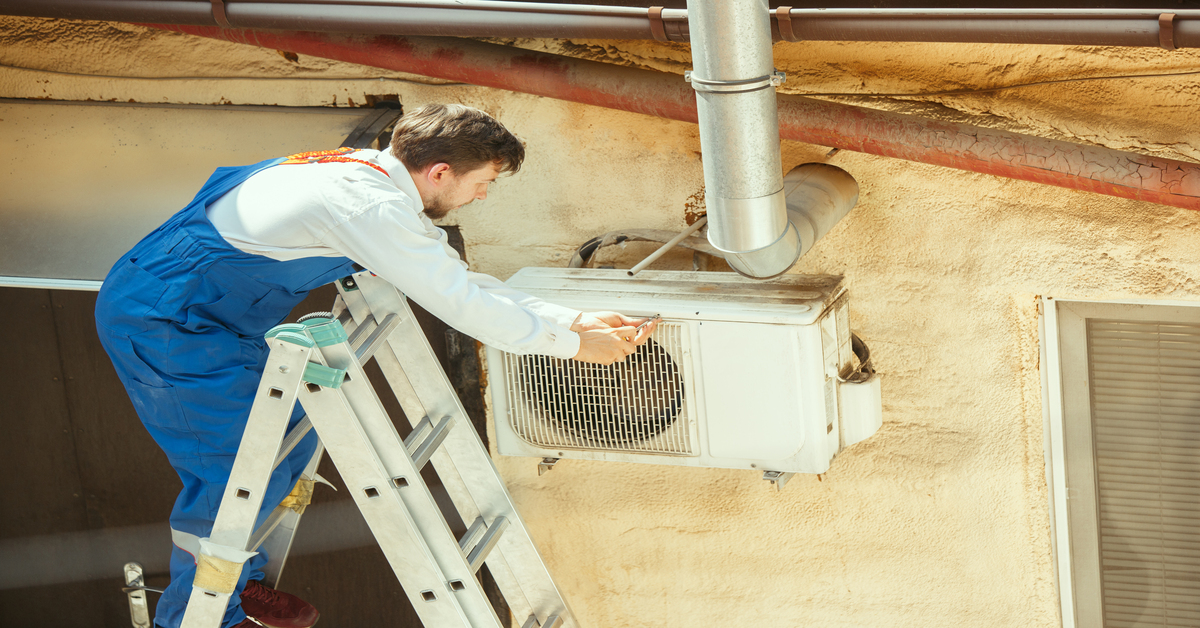
    2. Outdoor Condenser Accessibility: In some Al Karama buildings, outdoor compressor units are mounted on narrow exterior ledges or high facade brackets requiring safety harnesses or ladder access.
    3. Number of Units Serviced Together: Scheduling maintenance for your entire apartment or office in one appointment lowers technician travel and setup overhead, passing direct savings on to you.
    4. Underlying Mechanical or Gas Faults: Sometimes poor cooling isn’t caused by dirt alone. If technicians discover low refrigerant gas, a weak capacitor, or a failing fan motor during cleaning, addressing those faults falls under ac repair karama rather than routine cleaning.

    What Should Be Included in a Professional AC Cleaning Service?

    Before hiring any technician in Al Karama, verify that their cleaning package covers these essential steps rather than just rinsing the plastic mesh filters:

    • Mesh Air Filter Removal & Sanitization: Deep washing with mild detergent to remove fine dust and pet dander.
    • Evaporator Coil Deep Cleaning: Application of non-acidic, antibacterial coil cleaner to dissolve grease, biofilm, and trapped grit between delicate aluminum fins.
    • Blower Wheel De-Gunking: Cleaning the cylindrical fan blades inside the indoor unit—a dirty blower wheel is the #1 hidden cause of weak airflow and noisy operation.
    • Condensate Drain Line Flushing: Pressurized flushing of the drain pipe to clear algae clogs that cause indoor water leaks down your living room wall.
    • Outdoor Condenser Jet Wash: Flushing sand and lint out of the outdoor compressor coils so heat dissipates efficiently during peak Dubai summer temperatures.
    • Electrical & Cooling Performance Check: Measuring return-versus-supply air temperature drop and checking amp draw to confirm healthy operation.

    Cleaning vs. Repair: How to Tell Which One Your AC Needs

    Routine cleaning solves restricted airflow, high electricity bills, and musty smells, but certain warning signs point to a mechanical or refrigerant fault requiring professional ac repair karama:

    • AC Blows Warm Air After Cleaning: If the coils are spotless but the air isn’t cold, your system likely has a refrigerant gas leak, a faulty compressor capacitor, or a malfunctioning reversing valve.
    • Ice Forming on Indoor Coils or Copper Pipes: While severe dirt can occasionally cause coil freezing, persistent ice buildup usually indicates low refrigerant charge or a failing blower motor.
    • Loud Screeching, Grinding, or Buzzing: Worn fan motor bearings, loose blower wheels, or failing electrical contactors require component repair or replacement.
    • Repeated Circuit Breaker Trips: Electrical short circuits in the compressor or fan motor require immediate diagnostic testing with a digital multimeter.

    How Often Should You Clean Your AC in Al Karama?

    Because of Dubai’s dusty environment and long cooling season (typically March through November), HVAC specialists recommend the following maintenance schedule:

    • Every 30 Days (DIY): Slide out the indoor mesh filters, rinse them under lukewarm water, let them dry completely in the shade, and reinstall them.
    • Every 6 Months (Professional Service): Schedule a thorough coil, blower wheel, drain line, and outdoor condenser cleaning twice a year—once in spring before peak heat arrives and once in autumn.

    Book Affordable AC Cleaning & Repair in Al Karama Today

    Whether you need routine seasonal jet-wash servicing to cut your DEWA bills or urgent troubleshooting for a leaking, noisy, or warm air conditioner, Al Karama Technical Services delivers fast, honest, and professional workmanship right at your doorstep.

    Located in Sheikh Hamdan Colony – Dubai – United Arab Emirates, our certified HVAC team serves residential apartments, villas, restaurants, and commercial offices across Al Karama, Bur Dubai, Oud Metha, Al Mankhool, and neighboring Dubai districts. Explore our services or visit our dedicated ac repair in karama to learn more. To book a same-day technician visit or request a transparent quote, contact us today at +971 56 406 2749 or email [email protected].
    Frequently Asked Questions

    How much does basic split AC cleaning cost in Al Karama, Dubai? A standard split AC cleaning in Al Karama typically costs between AED 100 and AED 180 per unit, depending on whether you choose a basic chemical wipe-down or a full foam and pressure jet-wash service.

    Does AC cleaning include refrigerant gas refilling? No. Routine AC cleaning covers filters, evaporator coils, blower wheels, drain lines, and outdoor condenser washing. A healthy AC never consumes gas; if refrigerant is low, technicians will inspect for leaks and quote gas top-up separately under AC repair.

    How long does it take to clean one split AC unit? A thorough professional split AC jet-wash service takes approximately 30 to 45 minutes per unit, including setup, waterproof bag protection, indoor/outdoor washing, and drain flushing.

    Will professional AC cleaning reduce my DEWA electricity bill? Yes. Removing dust and grime from evaporator and condenser coils improves heat transfer efficiency, allowing your compressor to reach target room temperatures faster and reducing electricity consumption by 15% to 25%.

    How quickly can a technician reach my apartment in Al Karama? Because our workshop and dispatch team are based directly in Sheikh Hamdan Colony, Al Karama, we offer rapid same-day appointments across Al Karama and nearby Dubai communities.

  • Expert Chiller Repair in Dubai: Restoring Peak Commercial & Industrial Cooling

    Expert Chiller Repair in Dubai: Restoring Peak Commercial & Industrial Cooling

    In a fast-paced, high-temperature city like Dubai, continuous climate control and process cooling are critical to daily business operations. Whether you manage a bustling supermarket in Al Karama, a busy restaurant kitchen in Sheikh Hamdan Colony, a medical clinic, a cold-storage warehouse, or a commercial office building, your chiller system works tirelessly around the clock to counteract extreme desert heat and high ambient humidity.

    When a commercial or industrial chiller suddenly trips on a high-pressure fault, leaks refrigerant, or suffers a compressor failure, the impact is immediate. Indoor environments turn uncomfortable within hours, temperature-sensitive inventory risks spoilage, and daily operations grind to a halt. If you have been searching urgently for chiller repair Dubai or dependable chiller repair near me, you need certified HVAC specialists who understand complex thermodynamic systems and can respond without delay.

    At Al Karama Technical Services, located directly in Sheikh Hamdan Colony, Dubai, our experienced technicians provide fast, transparent, and precision-engineered chiller repair Dubai solutions across all major commercial and industrial brands.

    Why Commercial & Industrial Chillers Fail in Dubai’s Climate

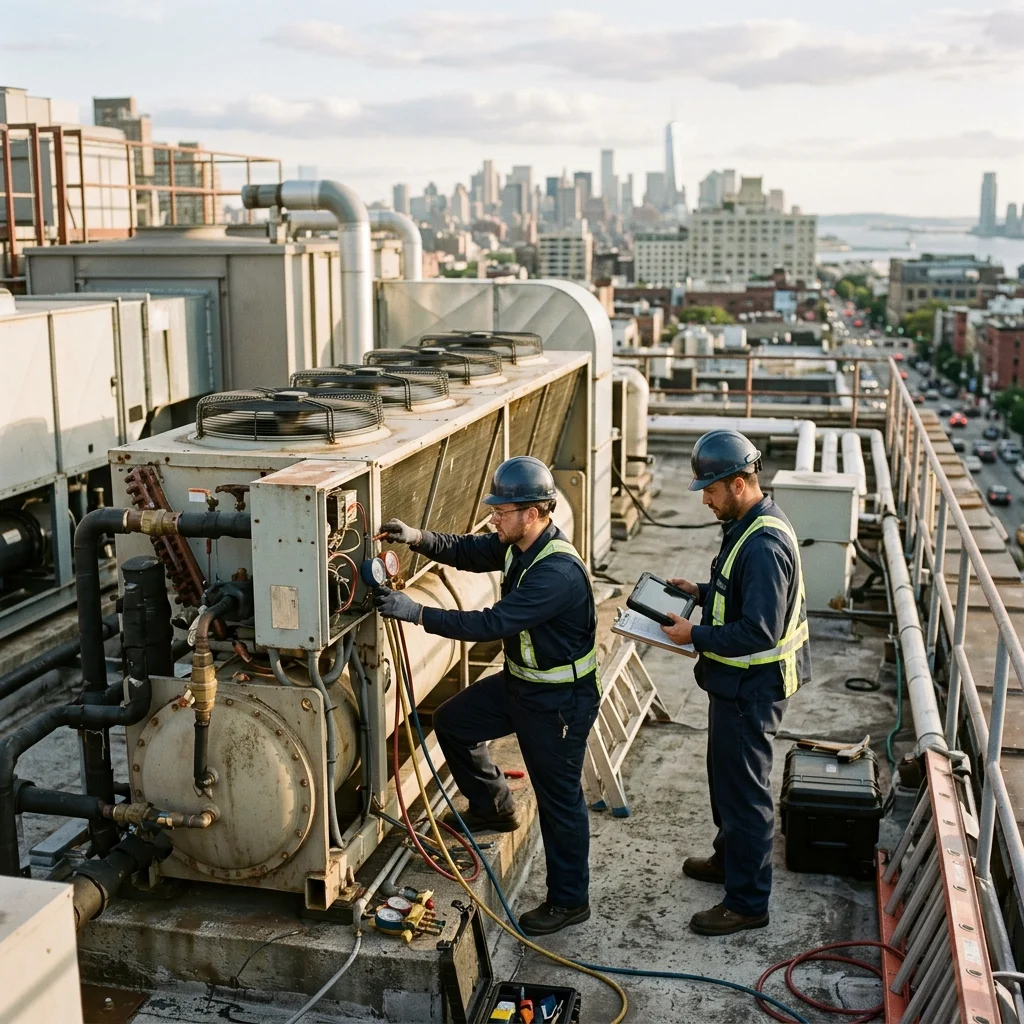
    Unlike standard residential air conditioners, commercial chillers are heavy-duty heat-exchange systems designed to remove massive thermal loads from water or glycol loops before circulating chilled fluid through Air Handling Units (AHUs) and Fan Coil Units (FCUs). Operating under Dubai’s demanding seasonal temperatures puts relentless stress on every mechanical, hydraulic, and electrical component.

    When facility managers and business owners search for chiller repair near me, the underlying issue typically stems from one of five core system malfunctions:

    1. High-Pressure Lockouts and Condenser Fouling

    Condenser coils—whether air-cooled via outdoor fans or water-cooled via cooling towers—are responsible for rejecting absorbed heat into the atmosphere.

    • Warning Signs: The chiller repeatedly trips on high head-pressure alarms during peak afternoon heat, fan motors draw excessive amperage, and cooling capacity drops sharply.
    • Technical Solution: Fine desert dust, sandstorms, and airborne grease rapidly coat air-cooled condenser fins, while hard-water mineral scale fouls water-cooled condenser tubes. Professional chemical coil descaling, high-pressure washing, and condenser fan motor servicing restore proper heat rejection immediately.

    2. Compressor Wear, Electrical Burnout, and Oil Faults

    The compressor—whether scroll, reciprocating, screw, or centrifugal—is the mechanical heart of the chiller circuit.

    • Warning Signs: Loud metallic knocking or grinding noises, tripped overload breakers, low oil-pressure safety lockouts, or high winding temperatures.
    • Technical Solution: Voltage fluctuations, prolonged high-load operation, and degraded compressor oil cause internal bearing wear or electrical winding shorts. Our technicians test winding insulation resistance with a megohmmeter, analyze oil acidity, replace faulty contactors or soft starters, and rebuild or replace damaged compressor assemblies.

    3. Refrigerant Leaks and Low-Pressure Trips

    A sealed chiller circuit should maintain stable refrigerant levels indefinitely; any pressure drop indicates a pinhole leak at a brazed joint, valve stem, or heat-exchanger coil.

    • Warning Signs: Frost forming abnormally along suction lines, bubbles appearing in the liquid-line sight glass, low-pressure safety shutdowns, and rising chilled water supply temperatures.
    • Technical Solution: Certified chiller repair Dubai technicians isolate the affected circuit, pinpoint leaks using ultrasonic or electronic halogen detectors and dry-nitrogen pressure testing, braze the breach securely, evacuate moisture down to deep-vacuum levels, and recharge the exact manufacturer-specified refrigerant weight.

    4. Evaporator Fouling and Chilled Water Flow Restrictions

    Inside the shell-and-tube or brazed-plate evaporator, cold liquid refrigerant absorbs heat from the building’s circulating water loop.

    • Warning Signs: Differential pressure switches trip on low water flow, evaporator approach temperatures widen, or localized freezing threatens internal tubes.
    • Technical Solution: Mineral scaling, rust sediment, and biological algae inside the chilled water loop restrict flow rates and insulate heat-transfer surfaces. Flushing strainers, servicing chilled water circulation pumps, and performing controlled chemical descaling restore optimal thermal transfer.

    5. Expansion Valve (TEV/EEV) and Sensor Calibration Faults

    Thermal and electronic expansion valves regulate the exact volume of liquid refrigerant entering the evaporator, guided by pressure transducers and NTC temperature sensors.

    • Warning Signs: Erratic superheat readings, liquid refrigerant flooding back toward the compressor, or false alarm codes on the microprocessor control panel.
    • Technical Solution: Testing sensor ohm values against temperature-resistance charts, recalibrating electronic controllers, and replacing stuck expansion valve power heads or stepper motors restore stable superheat control.

    Immediate Checks Before Calling for Emergency Chiller Repair

    When a chiller alarm sounds, facility operators can safely perform four initial checks before our technicians arrive on-site:

    1. Record the Exact Fault Code: Note the specific alarm message or numeric error code displayed on the chiller control panel before pressing any reset buttons. Repeatedly resetting high-pressure or compressor-overload trips without fixing the root cause can permanently burn out motor windings.
    2. Verify Chilled Water Pump Operation: Check pressure gauges across your chilled water supply and return headers to confirm water pumps are running and isolation valves have not been closed accidentally.
    3. Inspect Outdoor Airflow Clearance: Ensure condenser intake louvers and discharge fans are completely free of cardboard boxes, plastic debris, or accumulated sand drifts.
    4. Check Main Electrical Phase Power: Confirm that all three phases on the main isolator panel are active and free of tripped breakers or blown control fuses.

    Our Transparent 4-Step Chiller Repair Protocol

    When you reach out to Al Karama Technical Services for chiller repair near me, we follow a disciplined, engineering-led workflow designed to minimize facility downtime and eliminate unexpected expenses:

    1. Rapid Same-Day Dispatch: Operating directly out of Sheikh Hamdan Colony in Al Karama, our mobile HVAC teams reach commercial buildings, retail stores, restaurants, and industrial sites across Dubai fast.
    2. Comprehensive System Diagnostics: Using digital manifold gauges, clamp ammeters, insulation testers, and thermal imaging, we evaluate superheat, subcooling, compressor amp draw, and water-side delta-T to pinpoint the exact root cause.
    3. Clear Upfront Quotation & Genuine Parts: Before beginning repairs, we provide a detailed breakdown of required parts and labor with transparent pricing. We install high-grade compressors, expansion valves, filter-driers, sensors, and fan motors built for extreme Gulf climates.
    4. Full Load Testing & Commissioning: Once repairs are completed, we run the chiller under live building load, verify stable suction and discharge pressures, confirm target chilled water temperatures, and log all operating parameters.

    Preventative Maintenance Best Practices for Commercial Chillers

    Proactive servicing costs a fraction of an emergency compressor replacement and dramatically lowers monthly DEWA electricity consumption:

    • Quarterly Condenser Coil Cleaning: Schedule regular coil washing to remove fine Dubai dust and prevent high-pressure trips during summer peak months.
    • Routine Water Treatment & Strainer Cleaning: Maintain proper chemical dosing in water-cooled towers and closed chilled-water loops to prevent scale, corrosion, and biological growth.
    • Annual Oil & Refrigerant Analysis: Test compressor lubricating oil for moisture and acid buildup once a year to catch early mechanical wear before a seizure occurs.
    • Electrical Terminal Torque Checks: Thermal expansion and vibration loosen high-voltage lug connections over time; annual tightening prevents arcing and phase-loss failures.

    Book Fast Chiller Repair in Dubai Today

    Do not let a malfunctioning chiller compromise your indoor comfort, equipment safety, or perishable inventory. Whether you need urgent chiller repair near me in Al Karama or scheduled preventative maintenance for Trane, Carrier, York, Daikin, McQuay, Petra, or Copeland systems anywhere in the emirate, Al Karama Technical Services delivers reliable workmanship you can count on.

    Located in Sheikh Hamdan Colony – Dubai – United Arab Emirates, we support commercial and residential clients across Al Karama, Bur Dubai, Oud Metha, Al Mankhool, Business Bay, and surrounding Dubai districts. Explore our services or learn more about our dedicated chiller repair in Dubai capabilities. To schedule an immediate technician visit, contact us today at +971 56 406 2749 or email [email protected].
    Frequently Asked Questions

    How fast can a technician respond to an emergency chiller repair in Dubai? Because our workshop and dispatch hub are located directly in Sheikh Hamdan Colony, Al Karama, we offer rapid same-day response times across Al Karama and nearby Dubai commercial districts.

    Why does my chiller keep tripping on high pressure during the afternoon? High-pressure trips during peak afternoon heat are most commonly caused by dust-choked air-cooled condenser coils, failing condenser fan motors, or mineral scaling inside water-cooled condenser tubes that blocks heat rejection.

    What types of chillers do your technicians repair? Our certified HVAC specialists service air-cooled chillers, water-cooled chillers, scroll and screw chillers, rooftop packaged chillers, and commercial walk-in cold room condensing units.

    Is it better to repair an aging commercial chiller or replace it? If your chiller is under 12 to 15 years old and the fault involves a replaceable component—such as an expansion valve, fan motor, sensor, contactor, or localized refrigerant leak—professional repair is far more cost-effective than full system replacement.

    Do you offer scheduled preventative maintenance contracts (AMC) for chillers in Al Karama? Yes. We provide tailored quarterly and biannual preventative maintenance plans covering coil cleaning, electrical testing, refrigerant pressure checks, and strainer flushing to prevent unexpected breakdowns.

  • Fridge or Freezer Not Cooling? Causes, Safe Checks and When to Call a Technician

    By the Al Karama Technical team · Updated November 2026 · 9 min read

    The short answer

    A fridge or freezer that stops cooling usually has dusty condenser coils, blocked vents, a worn door seal, a defrost fault, a failed fan, a faulty start relay or, less often, a gas leak or a failed compressor. The US FDA advises keeping the fridge at or below 4°C and the freezer at -18°C, and an appliance thermometer is the easiest way to check. Clean the coils, clear the vents and check the seal first. If it’s still warm after a few hours, a technician needs to test the parts.

    A warm fridge is more than an inconvenience in Dubai. Kitchens heat up fast in summer, food can spoil within hours, and a freezer full of meat is expensive to lose. This guide walks you through why a fridge or freezer stops cooling, what you can check yourself, how to keep food safe, and when it’s time for fridge repair.

    At a glance

    • Safe temperatures: fridge at or below 4°C, freezer at -18°C, according to the US FDA.
    • First checks: the thermostat, the vents inside, the door seal and the coils.
    • Most common causes: a defrost fault or an iced-up fan.
    • Keep the doors shut: an unopened fridge keeps food cold for about 4 hours, and a full freezer holds its temperature for about 48 hours.

    What temperature should a fridge and freezer be?

    The US Food and Drug Administration recommends keeping the fridge at or below 4°C and the freezer at -18°C. The dial or display on many fridges doesn’t show the real temperature inside, so the FDA suggests an appliance thermometer, which costs little and tells you exactly where you stand.

    Put the thermometer in a glass of water on the middle shelf of the fridge, or between frozen packs in the freezer, and read it after a few hours. If the fridge sits above 4°C or the freezer well above -18°C with the settings correct, something is wrong.

    Why is my fridge not cooling?

    CauseSignFix
    Thermostat set too warm or offFridge warm, everything else seems normalReset the thermostat to the recommended setting
    Blocked air vents insideCold at the back, warm at the front or topMove food away from the vents
    Dusty condenser coilsFridge runs constantly, sides or back feel hotClean the coils
    Worn door sealCondensation, ice near the door, warm fridgeReplace the seal
    Defrost faultIce on the back panel, fridge warm, freezer coldTest the defrost heater, sensor and timer or board
    Fan failureFreezer cold, fridge warm, no fan noiseReplace the fan motor
    Start relay or overload faultA click every few minutes, no coolingReplace the relay or protector
    Gas leak or compressor faultThe compressor runs, nothing gets coldLeak test and repair, or replace the compressor
    fridge repair

    Fridge warm but freezer cold: the most common pattern

    In most frost-free fridges, the cold air is made in the freezer and blown into the fridge section by a fan through a small channel. If the fan stops, or ice blocks the channel, the freezer stays cold while the fridge warms up. The usual causes are a failed fan motor, or a defrost fault that lets ice build up on the coil behind the freezer’s back panel.

    You may see thick frost on the back wall of the freezer, hear the fan scraping against ice, or notice the fridge warming over a day or two. A full defrost can bring the cooling back for a while, but if the defrost heater, sensor or timer has failed, the ice returns. For more on this pattern, read how to fix a fridge that is too warm.

    Freezer repair Dubai: when the freezer isn’t freezing

    A freezer that isn’t freezing properly usually has the same causes as a warm fridge: dirty coils, a worn seal, a defrost fault or a fan problem. Chest and upright freezers in garages and store rooms have one more: the room itself. Freezers are built for a range of room temperatures, shown as a climate class on the rating plate, and a freezer in a hot garage can struggle all summer.

    If you need freezer repair near me for a garage freezer, say where it sits when you book. The technician will check the climate class and the airflow around it as well as the parts.

    Freezers that frost up solid have their own causes, covered in why a freezer freezes up solid.

    Checks you can do safely

    1. Check the settings. Make sure the thermostat hasn’t been turned down, and that the fridge isn’t in a holiday, eco or demo mode.
    2. Listen. A completely silent fridge may have no power or a compressor that won’t start. A click every few minutes often means the start relay.
    3. Clear the vents. Move food away from the back wall and the vents, and don’t pack the shelves tightly.
    4. Test the door seal. Close the door on a sheet of paper. If it slides out easily, that part of the seal isn’t closing.
    5. Clean the condenser coils. Unplug the fridge, pull it out and vacuum or brush the coils at the back or underneath.
    6. Give it space. Leave the gap at the back and sides the manual asks for, so heat can escape.
    7. Wait and measure. After any change, give the fridge a few hours and check with a thermometer.

    Don’t chip ice away with a knife or a sharp tool. You can puncture the evaporator and cause a gas leak. If the freezer is heavily iced, switch it off and let it defrost with the doors open and towels down.

    Built-in, side-by-side and inverter fridges

    Different fridge designs fail in different ways. Built-in fridges sit inside a cabinet and breathe through a small grille at the bottom or top, so a blocked grille or a cabinet without the right gap makes them run hot and lose cooling. Side-by-side and French door fridges often have ice makers and water dispensers, and ice building up around the ice maker or in the air channels is a common reason the fridge section warms up.

    Inverter fridges use a compressor that changes speed instead of switching on and off. They’re efficient, but their control boards and sensors can be damaged by voltage dips, and many show an error code when something goes wrong. Write the code down and send it with the model number when you book, because it points the technician to the right part.

    Keeping food safe while you wait

    Keep the doors closed as much as you can. The FDA says an unopened fridge keeps food cold for about 4 hours, and a full freezer holds its temperature for about 48 hours with the door shut. Move medicines, baby milk and anything urgent to a cool box with ice packs.

    The FDA advises throwing away refrigerated perishables such as meat, fish, dairy and leftovers if they’ve been above 4°C for 4 hours or more. If you aren’t sure how long food has been warm, it’s safer to throw it away.

    Why fridges in Dubai stop cooling more often

    A fridge cools by pumping heat out into the room, so the hotter the kitchen, the harder it works. Kitchens in Dubai flats often have little ventilation, and built-in fridges sit inside cabinets with only a small gap for air. Fine dust settles on the coils, voltage dips in summer damage start relays and boards, and many fridges run non-stop for months. All of this shortens the life of fans, relays and compressors.

    fridge repair in dubai

    When it’s a gas leak or the compressor

    A fridge never uses up its gas, so low gas means a leak somewhere in the sealed system. Signs include frost on only part of the evaporator, a compressor that runs all the time while nothing gets cold, and earlier gas top-ups that didn’t last. The right repair is to find and fix the leak, fit a new filter drier, vacuum the system and charge the gas by weight. Our guide to refrigerant leak detection and recharge explains why skipping the leak test wastes money.

    If the compressor won’t start, the technician first rules out the cheaper parts that help it start, such as the start relay, the overload protector and, on inverter fridges, the control board. The compressor is replaced only once those are proven fine.

    Repair or replace?

    Fans, relays, thermostats, seals and defrost parts are usually worth repairing on almost any fridge. Compressor and sealed-system repairs cost more, so compare the price with a new fridge if yours is an older budget model. On newer fridges, check the warranty first, because many brands cover the compressor for longer than the rest of the fridge.

    Brand-specific parts make a difference to how quickly a fridge is fixed. Our LG fridge repair Dubai technicians carry common LG fan motors and sensors.

    How to keep your fridge and freezer cooling

    • Clean the condenser coils every few months, more often in a dusty kitchen.
    • Leave space around the fridge, and keep it away from the oven and direct sun.
    • Wipe the door seals once a month and check they close evenly.
    • Don’t overfill the fridge, so cold air can move between the shelves.
    • Let hot food cool before you put it in.
    • Use a stabiliser or surge protector if your building has frequent voltage dips.

    What a technician does

    The technician checks the temperatures and the supply, then tests the fans, the coils, the defrost system and the compressor’s start parts. You get the fault and a fixed price before any work starts, and most fan, relay, thermostat, seal and defrost repairs are finished on the first visit. Freezer repair in Dubai follows the same process for chest, upright and built-in freezers.

    Fridge or freezer still warm?

    Our technicians repair fridges and freezers of every brand across Dubai, usually the same day. Book a fridge repair near me visit, or call or WhatsApp us now.

    Frequently asked questions

    The US FDA recommends 4°C or below for the fridge and -18°C for the freezer. An appliance thermometer is the easiest way to check.

    Usually the fan that moves cold air into the fridge has failed, or ice from a defrost fault is blocking the air channel.

    The FDA says an unopened fridge keeps food cold for about 4 hours, and a full freezer holds its temperature for about 48 hours with the door shut.

    Not always. Most cooling faults are fans, defrost parts, relays or dirty coils. Low gas means a leak, which must be found and repaired first.

    A click every few minutes usually means the compressor is trying to start and failing, often because of the start relay or overload protector.

    You can check the settings, clear the vents, clean the coils and test the door seal. Electrical and gas repairs need a trained technician.

    It may be rated for cooler rooms than a Dubai garage in summer. Check the climate class on the rating plate and give it space for air.

    Yes. We repair chest, upright and built-in freezers at homes and businesses across Dubai.

    Only if it’s heavily iced or smells of burning. Otherwise keep it running with the doors shut and book a check, so the technician can see the fault.

    Book a fridge or freezer repair in Dubai

    Same-day visits in most areas and a fixed price before any work starts.

  • Washing Machine Not Draining or Spinning? Causes and Fixes for Dubai Homes

    By the Al Karama Technical team · Updated November 2026 · 9 min read

    The short answer

    A washing machine that won’t drain or spin usually has a blocked pump filter, a kinked or clogged drain hose, a blocked sink trap or standpipe, or a jammed drain pump. Siemens notes that fluff, buttons and coins can block the drain, and that the impeller in the drain pump must be able to turn. Most machines won’t spin while water is still inside, so a drain fault often looks like a spin fault. If the filter and hose are clear and the machine still won’t drain, the pump, a sensor or the control board needs a technician.

    You open the door at the end of a cycle and find soaking clothes sitting in a pool of water. Or the machine reaches the spin, hums, and never speeds up. Drain and spin faults are among the most common reasons people call for washing machine repair in Dubai, and many of them start with a part you can reach without any tools. This guide explains why it happens, how to drain the machine safely, and when the problem needs a technician.

    At a glance

    • Most common cause: a blocked pump filter behind the small flap at the bottom front.
    • Drain first, spin second: most machines won’t spin with water left in the drum.
    • Safe to check: the pump filter, the drain hose and the sink trap or standpipe.
    • Technician needed: a failed drain pump, motor, carbon brushes, belt, pressure sensor or board.

    Why is my washing machine not draining?

    Water leaves the drum through a short path: the sump at the bottom of the tub, the pump filter, the drain pump, the drain hose and finally the standpipe or sink trap. A blockage or failure anywhere along that path leaves water in the drum. These are the causes we find most often in Dubai homes:

    CauseWhat you noticeUsual fix
    Blocked pump filterWater left in the drum, a humming pumpClean the filter behind the bottom flap
    Kinked or squashed drain hoseSlow draining after the machine was movedStraighten the hose and pull the machine out a little
    Blocked sink trap or standpipeWater backs up into the sink or the drumClear the trap or the standpipe
    Object jammed in the pumpA loud buzz, then silence, no drainingRemove the object from the pump housing
    Failed drain pumpNo sound from the pump, or a hum with no flowReplace the pump
    Pressure sensor faultThe machine thinks it’s still full, or shows a drain errorTest and replace the sensor
    Control board faultA drain error with every part testing fineRepair or replace the board
    Washing Machine Repair In Dubai Dip

    Why won’t my washing machine spin?

    A spin fault and a drain fault are often the same problem. Most front-loaders check the water level before spinning, and if water is still inside, the spin won’t start. Once you’ve ruled out draining, these are the usual causes:

    • An unbalanced load. One heavy item such as a bath mat, a pair of jeans or a duvet on its own makes the machine cancel the spin to protect the drum.
    • A low-spin programme. Wool, delicate and some quick programmes spin slowly or not at all.
    • Too much detergent. Extra suds cushion the drum, and many machines reduce or skip the spin.
    • Worn carbon brushes. On brushed motors these wear down over the years, and the motor loses power.
    • A loose or broken belt. The motor runs, but the drum doesn’t turn properly.
    • A motor or speed sensor fault. The board can’t tell how fast the drum is turning, so it stops.
    • A door lock fault. The machine won’t spin unless the lock confirms the door is shut.

    How to drain a washing machine safely

    If the drum is full of water, drain it before you do anything else. Siemens’ own advice starts the same way: close the water supply, switch the machine off, unplug it and let hot water cool down first.

    1. Unplug the machine and turn off the tap behind it.
    2. Wait for the water to cool if you ran a hot wash.
    3. Lay towels down and put a shallow tray or baking dish under the small flap at the bottom front.
    4. Open the flap. Many machines have a small emergency drain hose next to the filter. Pull it out, remove its cap and let the water run into the tray, closing it each time the tray fills.
    5. No drain hose? Unscrew the filter slowly, a little at a time, and let the water flow out.
    6. Clean the filter. Once the water stops, take the filter out and clear lint, hair, coins and hair clips.
    7. Check the impeller. Shine a torch into the pump housing and make sure the impeller turns freely.
    8. Refit and test. Screw the filter back firmly, close the flap and run a rinse and spin.

    Expect more water than you think. A full drum holds several litres, so drain into a tray in stages and keep towels ready. Never open the filter while the machine is running or the water is hot.

    Check the drain hose and the standpipe

    If the filter is clean but water still won’t leave, look behind the machine. Pull it out carefully and check the drain hose for kinks, especially if the machine was pushed back after cleaning. The end of the hose should hook into a standpipe or connect to a sink trap, not be pushed deep into the pipe, because that can cause siphoning or slow draining.

    Disconnect the hose from the sink trap and check both for blockages. Siemens notes that fluff, buttons and coins can block the siphon, and kitchen sinks that share a trap with the washer collect grease and food as well. Rinse the hose through and clean the trap connection before refitting the hose with its clip.

    Why drain faults are so common in Dubai

    In Dubai flats, washing machines often sit under kitchen counters and share a drain with the kitchen sink, so grease and food scraps meet lint from the laundry. Sand comes in on beach towels and work clothes, coins and hair clips are left in pockets, and scale from hard water stiffens the pump over time. In older buildings, slow building drains can also push water back into the machine.

    Brand matters too. Front-loaders from Bosch, Siemens, LG and Samsung all have a filter at the bottom front, but its exact position and the emergency drain hose vary. Our Bosch washing machine repair Dubai team clears blocked pump filters on these models every week.

    Error codes that point to a drain or spin fault

    BrandCodes you may seeWhat they usually mean
    Siemens and BoschE:18 or F:18A drain problem, covered on Siemens’ drain help page
    LGOE and UEOE is a drain fault, UE an unbalanced load
    Samsung5E, 5C or SE, and UE or UbA drain fault, or an unbalanced load

    Codes vary between models, so check the manual for yours. A drain code that comes back after you’ve cleaned the filter and the hose usually means the pump or a sensor needs testing.

    When the drain pump is the problem

    The drain pump is a small electric motor with a plastic impeller that pushes water out of the machine. A coin, an underwire or a hair clip can jam it, and the pump then buzzes without moving any water. If the pump stays silent, its coil may have burnt out, or it isn’t getting power from the board. It helps to know the signs your washing machine drain pump is failing before it stops completely.

    A technician tests the pump’s resistance, checks the wiring and the connector, confirms the board is sending power and replaces the pump if it has failed. On most machines this is a first-visit repair, because common pumps travel in the van.

    Home appliance repair in Dubai

    Spin faults that need a technician

    PartSignWhat the technician does
    Carbon brushesWeak spin, sparking or a burning smell from the motorChecks brush length and replaces both brushes
    Drive beltThe motor runs but the drum barely movesRefits or replaces the belt
    MotorNo drum movement at allTests the windings and replaces the motor if faulty
    Speed sensorThe drum starts, then stops before the spinTests the sensor and its wiring
    Door lockNo spin, or a door lock errorTests and replaces the lock
    Drum bearingsA loud rumble or grinding on spinReplaces the bearings, which means taking the drum out

    Repair or replace?

    Drain pumps, filters, belts, brushes and door locks are usually worth repairing, even on older machines, because the parts are common and the job is quick. Bearings and control boards cost more, so on a budget machine that’s many years old it’s worth comparing the repair with the price of a new one. A good technician tells you which way they’d go and why, then leaves the choice to you.

    How to stop it happening again

    • Empty pockets before every wash, especially coins, tissues and hair clips.
    • Clean the pump filter about once a month, and more often if you wash work clothes or beach towels.
    • Use the right dose of low-suds detergent in front-loaders.
    • Use a wash bag for small items such as baby socks and underwired bras.
    • Balance heavy items by washing them with a few towels.
    • Check the drain hose after you move or clean behind the machine.

    What a technician does on a drain or spin callout

    The technician drains the machine safely if it’s full, checks the filter, the hose and the sink trap, then tests the pump, the pressure sensor, the door lock, the motor and the board until the cause is clear. You get the fault in plain words and a fixed price before any work starts. We cover the whole city, including washing machine repair in Dubai Marina towers, and most drain and spin repairs are finished on the first visit.

    Water still in the drum?

    We fix drain pumps, hoses, brushes, belts and boards on all major brands, usually the same day. Book a washing machine repair near me visit, or call or WhatsApp us now.

    Frequently asked questions

    Usually the pump filter is blocked, the drain hose is kinked or the sink trap is clogged. Clean the filter and check the hose before calling a technician.

    An unbalanced load, too much detergent or a low-spin programme are the usual causes. If those are fine, the brushes, belt, motor or speed sensor may need testing.

    Unplug it, turn off the tap, put a tray under the bottom front flap and drain through the emergency hose or by slowly unscrewing the filter.

    About once a month in most homes, and more often if you wash sandy towels, work clothes or pet bedding.

    Yes. Extra suds cushion the drum, and many machines reduce or skip the spin until the suds are gone.

    The drain pump is probably jammed by an object or has failed. Check the filter and the pump housing for coins or clips first.

    Yes, if the machine is unplugged and the water has cooled. Drain slowly into a tray and keep towels ready.

    Usually, yes. Common drain pumps are carried in the van, so most pump replacements are finished on the first visit.

    Book a washing machine repair in Dubai

    Same-day visits in most areas and a fixed price before any work starts.

  • Washing Machine Tripping the Electricity? Causes, Safe Checks and Repairs

    By the Al Karama Technical team · Updated November 2026 · 5 min read

    The short answer

    A washing machine that trips the breaker or the earth leakage switch usually has a fault in the heater element, the motor, the mains filter or the wiring, or water has leaked onto an electrical part. When it trips tells you a lot: as soon as you plug in points to wiring or the filter, during heating points to the heater, and during the spin points to the motor. Stop using it and book a technician if it trips again.

    A tripping washing machine is more than an annoyance. Your distribution board is cutting the power because it has sensed a fault, often current leaking to earth. That’s a safety device working as it should, so the cause needs finding, not ignoring. This guide explains the likely causes, what you can check safely and when to book washing machine repairs.

    At a glance

    • Earth leakage switch: trips when current leaks to earth, often from a wet or failing part.
    • Breaker: trips on overload or a short circuit.
    • Timing matters: note exactly when in the cycle it trips.
    • Safe limit: reset it once. If it trips again, stop and call a technician.

    What causes a washing machine to trip the electrics?

    Siemens’ UAE support page lists the motor, the heater and the suppressor as possible causes, along with a wire shorting out or water leaking onto an electrical part. The table below shows how the timing usually points to the fault.

    When it tripsLikely cause
    As soon as you plug in or switch onMains filter (suppressor), damaged cable or plug, wiring fault
    A few minutes into a hot washHeater element leaking to earth
    When the drum starts turning or spinsMotor, its wiring or worn carbon brushes
    When it drainsDrain pump fault
    After a leak or a floodWater on the wiring, pump or motor
    Randomly, alongside other appliancesSeveral small leakages adding up on one circuit

    Heater elements are the most common cause we find. Over time, limescale and corrosion crack the element’s outer sheath, and it starts leaking a little current to earth once it gets hot. The machine may run normally on a cold wash and trip only on hot programmes.

    Checks you can do safely

    1. Note the timing. Write down which programme was running and at what point it tripped.
    2. Check for water. Look under and behind the machine for leaks. Water near the plug or socket means stop immediately.
    3. Use a wall socket. Washing machines should be plugged straight into a wall socket, not an extension lead or adapter.
    4. Replace the plug fuse. UAE plugs contain a fuse, and Siemens advises resetting the switch and replacing the plug fuse as the first step.
    5. Test another appliance. If other appliances trip the same switch, the problem may be the circuit, not the washer.

    Don’t keep resetting it. Repeated tripping means a real fault. Never bypass the switch, and never open the machine while it’s plugged in. If you smell burning or see scorch marks on the plug or socket, switch off at the board and call for help.

    Why it often happens after a leak

    A slow leak from a hose, the door seal or the pump can drip onto the motor or wiring and trip the circuit days later. That’s one reason to watch for the warning signs your washer could flood the apartment before they become an electrical problem.

    Kitchens and laundry corners can also trip because of other appliances on the same circuit. If your dishwasher trips the power too, our dishwasher repair Dubai team can test both machines on one visit.

    What a technician does

    A technician isolates the machine and tests each part with an insulation tester: the heater, the motor, the pump, the mains filter and the wiring loom. Once the faulty part is found, you get a fixed price before any work starts. Heater elements and mains filters are common parts and are usually replaced in one visit. Our Bosch washing machine repair Dubai technicians see heater leakage often on hard-working machines.

    For more ways to keep appliances safe at home, read our 5 safety tips for home appliances.

    Keep a note of any error code too. Some machines show a heater or motor code just before the power trips, which helps the technician bring the right part on the first visit.

    We cover all of Dubai, including washing machine repair in Deira, with same-day visits in most areas.

    Washer still tripping the power?

    Our technicians test heaters, motors, pumps and wiring safely and fix the cause. Book a washing machine electrical repair in Dubai or call or WhatsApp us now.

    Frequently asked questions

    Usually the heater element is leaking current to earth once it heats up. It needs testing and replacing.

    No. Reset it once. If it trips again, stop using the machine and book a technician.

    Yes. Water reaching the plug, socket or internal parts can trip the earth leakage switch.

    It’s best not to. Plug it straight into a wall socket that suits its power rating.

    Sometimes. If other appliances trip the same switch, an electrician should check the circuit.

    Usually, yes. Heater elements, mains filters and pumps are common, affordable parts.

    In our experience, the heater element, especially on machines that run a lot of hot washes. Motors and mains filters come next.

    Book a washing machine repair in Dubai

    Safe electrical testing, same-day visits in most areas and a fixed price before any work starts.

  • Window AC Leaking Water Inside the Room? Causes and Fixes

    By the Al Karama Technical team · Updated November 2026 · 5 min read

    The short answer

    Most window ACs leak into the room because they aren’t tilted towards the outside, so condensed water runs back indoors. LG’s installation guidance says the rear should sit 10 to 15 mm lower than the front. Other causes are blocked drain channels in the base pan, a dirty filter that makes the coil freeze and then melt, low gas, and gaps that let humid outside air condense on cold parts.

    Window ACs are still everywhere in Dubai, from older buildings in Karama and Bur Dubai to villa maids’ rooms and staff accommodation. When one starts dripping onto the floor or down the wall, it can stain paint, swell wooden frames and, worst of all, reach the socket. This guide explains why it happens and when to call our window AC repair Dubai team.

    Why window ACs make water at all

    As warm room air passes over the cold cooling coil, moisture in the air condenses into water, just like on a cold glass. That water collects in the base pan and is meant to flow to the outdoor side. On many window ACs, a ring on the outdoor fan blade picks up that water and throws it onto the hot condenser coil, which helps cooling. So some water sitting in the base pan, or dripping outside, is normal. Water coming into the room is not.

    Six causes of a window AC leaking inside

    CauseSignFix
    Wrong tiltDrips from the front or bottom edge insideRe-level so the rear sits 10 to 15 mm lower
    Blocked base pan or drain channelsWater pooling, a musty smellClear sand, dust and debris from the pan
    Dirty filterIce on the coil, then drips as it meltsWash the filter every 2 weeks in summer
    Low gas from a leakIce on the coil and weak coolingFind and repair the leak, then recharge
    Gaps around the unitSweating front panel and dripsSeal the gaps with foam and trim
    Very humid nightsFront grille sweating on muggy eveningsCheck the seals and run a higher fan speed

    The tilt is the cause we fix most often. LG’s UAE support page says the rear of the unit should be tilted downward by 10 to 15 mm so condensed water flows to the back, and warns that without it water can overflow indoors. Units often settle or get knocked out of level over time, especially on older brackets.

    AC Repair Service in Dubai

    Checks you can do yourself

    1. Switch off first. If water is near the plug or socket, turn off the breaker before touching anything.
    2. Check the tilt. Place a spirit level on top of the unit, or pour a little water into the base pan and watch which way it runs.
    3. Wash the filter. Slide it out from the front, rinse it and let it dry.
    4. Look for ice. If the coil behind the filter is frosted, run fan-only mode until it thaws, then wash the filter.
    5. Check the seals. Gaps around the frame let humid air in, which condenses on cold metal.
    6. Look outside. Make sure boxes, plants or birds’ nests aren’t blocking the outdoor side.

    Water and electricity don’t mix. If water is running towards the socket, the plug feels warm or the breaker trips, stop using the AC and call a technician.

    Why Dubai makes it worse

    Coastal humidity on summer nights means more water to remove, so any drainage problem shows up quickly. Fine sand and dust settle in the base pan and block the channels. Pigeons often nest on the outdoor side of window units, blocking airflow and drainage. In older buildings, drain problems are common across all AC types, as our guide to AC drain lines in older Karama buildings explains.

    What a technician does

    We re-level and secure the unit, clean the base pan and drain channels, wash the coils, check the gas pressure and seal the gaps around the frame. If the leak comes from a frozen coil, we find out why it froze, because a weak fan or a gas leak will keep causing the same problem.

    If you’re thinking of replacing an old window unit, our split AC repair team can advise whether a split AC suits the room better.

    Simple maintenance that stops leaks coming back

    • Wash the filter every two weeks in summer, and monthly in the cooler months.
    • Book a full service twice a year, ideally before and after the summer, to clean the coils, base pan and drain channels.
    • Check the seals every year. Foam strips shrink and crack in the heat, which lets humid air in around the frame.
    • Keep birds away. Fit mesh or bird spikes on the outdoor side if pigeons keep nesting there.
    • Re-check the tilt after any work. If the unit is removed for painting, a new bracket or a frame repair, make sure it goes back with the rear lower than the front.

    If your model has a drain plug or outlet at the back, keep it clear. Some owners block it to stop dripping onto a balcony, which then sends the water indoors instead.

    Window AC still dripping?

    Our technicians fix the tilt, drainage and cooling faults on all window AC brands, usually the same day. Book through our AC repair Karama team or call us now.

    Own an O General unit? See how to reset an O General AC.

    Frequently asked questions

    Yes. Water in the base pan is normal, and many units use it to help cool the condenser. Water dripping into the room is not normal.

    Yes, a small amount of water dripping on the outdoor side is normal, especially on humid days.

    LG’s guidance is for the rear to sit 10 to 15 mm lower than the front. Check your own manual, as models vary.

    Book a window AC repair in Dubai

    Same-day visits across Dubai, with drainage, tilt and cooling checks on every job.

  • Fridge Making Noise? Normal Sounds vs Signs of a Fault

    By the Al Karama Technical team · Updated November 2026 · 5 min read

    The short answer

    Humming, gentle gurgling, occasional cracking and a click when the compressor starts or stops are normal fridge sounds. Rattling usually means the fridge isn’t level or something is touching it. Grinding, squealing or a fan that scrapes points to a worn fan motor or ice around the fan. Repeated clicking with no cooling, or loud knocking from the back, points to the start relay or compressor and needs a technician.

    Fridges are never silent. They hum, click and gurgle all day, and newer inverter models change their sound as the compressor speeds up and slows down. The trick is knowing which noises are normal and which mean something is wearing out. This guide helps you tell the difference, and shows when it’s time for fridge repair in Dubai.

    At a glance

    • Normal: humming, gurgling, cracking and a click at start and stop.
    • Easy fixes: rattling from an unlevel fridge or items on top.
    • Needs a technician: grinding, squealing, loud knocking or clicking with no cooling.
    • Warning sign: any new noise together with poor cooling.

    Which fridge noises are normal?

    Samsung’s UAE support page lists several normal sounds: gas moving through the pipes during cooling, interior parts expanding and contracting as temperatures change, the compressor running or shutting off, and the ice maker filling with water or dropping ice into the bucket. These sounds are part of normal operation and don’t need a repair.

    SoundUsually meansNormal?
    Low humCompressor runningYes
    Gurgling or bubblingRefrigerant moving through the pipesYes
    Cracking or poppingPlastic parts expanding and contractingYes
    Single clickCompressor or thermostat switching on or offYes
    SizzlingDefrost water dripping onto the heaterYes
    RattlingFridge not level, loose drain pan or items on topEasy fix
    Grinding or squealingWorn fan motor or ice touching the fanNo
    Repeated clicking, no coolingStart relay or overload protector failingNo
    Loud knocking from the backCompressor or its mountsNo

    Rattling: the easy fixes

    1. Level the fridge. Adjust the front feet so it stands firmly and doesn’t rock.
    2. Clear the top. Bottles, boxes and microwaves on top of the fridge rattle as it runs.
    3. Pull it out slightly. Pipes or the back panel touching the wall can buzz.
    4. Check the drain pan. The tray under the fridge can work loose and vibrate.

    Grinding, squealing and scraping

    Most frost-free fridges have two fans: one inside the freezer and one by the compressor at the back. When a fan motor’s bearings wear, it squeals or grinds, often louder when the freezer door is open. If ice builds up around the freezer fan, the blades scrape against it with a rattling or ticking sound. Samsung also notes that frost can block the fan and cause rattling. Our guide on why your freezer freezes up solid explains how this ice forms.

    Clicking with no cooling

    If the fridge clicks every few minutes, hums briefly and then goes quiet without cooling, the compressor is trying to start and failing. The start relay or overload protector is the usual cause, and sometimes the compressor itself. This is common after power dips and needs a technician quickly, because the food is warming. Our freezer repair near me service treats this as a priority call.

    Unplug it if you smell burning or the back of the fridge is too hot to touch near the compressor. Don’t keep restarting a compressor that won’t run.

    Why noise problems are common in Dubai

    High summer temperatures make compressors run longer and harder, so worn parts get louder sooner. Dust on the condenser coils adds to the strain, and fridges kept in garages or store rooms without AC work even harder. Fridges squeezed into tight kitchen spaces also pass vibration into cabinets and walls. Many LG and Samsung models use inverter compressors that ramp up and down, which sounds different from older fridges but is normal. Our LG fridge repair Dubai team knows these sounds well.

    We cover all of Dubai from Al Karama, including fridge repair in Jumeirah.

    Simple habits that keep a fridge quieter

    • Clean the condenser coils and the compressor area twice a year, with the fridge unplugged.
    • Defrost a manual freezer before the ice gets thick, so the fan and shelves stay clear.
    • Close the doors firmly and check the seals, so the compressor doesn’t run longer than it needs to.
    • Leave a gap at the back and sides so pipes can’t touch the wall or cabinets.

    Fridge noise getting worse?

    We replace fan motors, relays and compressors on all major brands, usually the same day. Book a noisy fridge repair in Dubai or call or WhatsApp us now.

    Frequently asked questions

    Yes. A steady low hum is the compressor running. It should stop and start through the day.

    Plastic parts expand and contract as the temperature changes, especially during defrost. It’s normal.

    The compressor is trying to start and failing, usually because of the start relay, the overload protector or the compressor.

    Usually it isn’t level, something is on top, or the pipes or drain pan are touching or loose.

    A worn fan motor or ice touching the fan blades. A technician should check it.

    Not usually, but their sound changes as the compressor speeds up and slows down, which is normal.

    New fridges can sound louder for the first day or two while they cool down for the first time. If the noise stays loud after that, check the levelling.

    Book a fridge repair in Dubai

    Same-day visits in most areas and a fixed price before any work starts.

  • Washing Machine Door Won’t Open? Causes and Safe Fixes

    By the Al Karama Technical team · Updated November 2026 · 5 min read

    The short answer

    A front load washing machine keeps its door locked while a cycle is running, while the drum is hot and while water is still inside. If the cycle has finished and the door still won’t open, the usual causes are water that hasn’t drained, child lock, a power cut mid-cycle, or a faulty door lock or handle. Wait a few minutes, check for water in the drum and turn off child lock before you call for help.

    Your washing has finished, but the door won’t budge, and your clothes are stuck inside. It’s one of the most common calls we get, especially from busy Dubai households with only one machine. In most cases nothing is broken: the lock is simply doing its job. This guide explains why the door stays locked, what you can safely try and when it’s time for washing machine repair Dubai.

    At a glance

    • Normal: the door stays locked for a few minutes after a cycle ends.
    • Most common cause: water left in the drum because it hasn’t drained.
    • Quick checks: child lock, a paused cycle and the drain filter.
    • Never: pull hard on the handle or force the door with a tool.

    Why does a washing machine door lock?

    The lock is a safety feature. Samsung’s UAE support guide explains that the door stays locked during an active cycle, when the drum is hot and when water remains inside, and that it may stay locked briefly even after the cycle ends. The lock stops anyone, especially children, opening a door with hot water or a spinning drum behind it.

    Six reasons the door stays locked

    CauseHow to tellWhat to do
    Lock delay after the cycleDisplay shows end or 0:00 and the lock light is onWait a few minutes
    Water still in the drumYou can see water through the glassRun a drain or spin programme, or clean the drain filter
    Cycle paused, not finishedTime remaining still shows on the displayCancel the programme and run drain
    Child lock onA key or lock symbol on the displayHold the child lock buttons to turn it off
    Power cut mid-cycleDisplay blank or resetWait for power, then run drain or spin
    Faulty door lock or broken handleNo water, no lock light, still won’t openNeeds a technician

    How to release a locked door safely

    Work through these steps in order. Most doors open by step 3.

    1. Wait. Give the machine 5 minutes after the cycle ends.
    2. Turn off child lock. On most models you press and hold two buttons together for a few seconds. Your manual shows which ones.
    3. Run a drain or spin cycle. If water is visible, select drain or spin only and let it finish.
    4. Drain it by hand. If the machine won’t drain, switch it off at the socket, put towels and a shallow tray down, and open the drain filter flap at the bottom front. Many models have a small emergency hose next to the filter for this.
    5. Use the emergency release. Some models have a release tab or cord behind the filter flap. Only use it once the drum is empty and cool.

    If water won’t drain even with the filter clean, the drain pump may have failed. Our guide to the signs of a failing drain pump explains what to look for.

    Don’t force it. Pulling hard on the handle or prising the door with a screwdriver usually breaks the handle, the hinge or the lock, and turns a free fix into a repair. Water from the filter can also be hot after a hot wash, so let it cool first.

    When is it a door lock fault?

    If the drum is empty, child lock is off, the cycle has ended and the door still won’t open after 10 minutes, the lock itself or the handle has probably failed. Other signs include a machine that won’t start because it can’t confirm the door is shut, or a door that locks and unlocks over and over.

    A technician opens the machine safely, tests the lock and its wiring, and replaces the lock, handle or catch. These are common parts, and the repair is usually finished in one visit. Samsung machines have their own lock designs, which our Samsung washing machine repair team sees every week.

    How to avoid a stuck door

    • Close the door gently and don’t lean on it or hang laundry bags from the handle.
    • Clean the drain filter every 2 to 3 months so water always drains fully.
    • Check pockets for coins and hair clips, which end up in the filter.
    • Don’t overload the drum, which presses on the door glass and seal.

    We cover all of Dubai from our base in Al Karama. See our page on washing machine repair in Al Karama for local details.

    Door still stuck shut?

    We release locked doors, repair locks and handles, and fix drain faults on all major brands. Book a front load washing machine repair in Dubai or call or WhatsApp us now.

    Frequently asked questions

    Usually a few minutes. If it’s still locked after 10 minutes with an empty drum, the lock may be faulty.

    The door stays locked while water is in the drum. Run a drain or spin cycle, or clean the drain filter if it won’t drain.

    Yes. Many doors stay locked until power returns and the machine drains. Wait for the power, then run drain or spin.

    On most models you press and hold two buttons together for a few seconds. The manual shows which ones.

    No. Forcing it can break the handle or lock and release hot water. Drain the machine first or call a technician.

    It depends on the brand and part, but a door lock or handle is usually one of the more affordable washing machine repairs.

    Book a washing machine repair in Dubai

    Same-day visits in most areas and a fixed price before any work starts.

  • Washing Machine Repair in Dubai: Repair or Replace Guide

    By the Al Karama Technical team · Updated November 2026 · 9 min read

    The short answer

    Most washing machine faults in Dubai homes come down to a few parts: the drain pump and filter, the door lock, the water inlet valve, the bearings, the motor or carbon brushes, and the control board. Most of these are repairable in one visit. Before you call, note the model number and any error code, and check the drain filter and the water tap. If a repair would cost more than about half the price of a comparable new machine, replacing it is usually better value.

    A washing machine that stops mid-cycle, won’t drain or starts banging on the spin can throw a whole household off, especially in a busy Dubai apartment where the laundry never really stops. The good news is that most breakdowns follow familiar patterns, and many are cheaper to fix than people expect. This guide explains what usually goes wrong, why Dubai conditions make some faults more common, how to decide between repair and replacement, and what to have ready when you book washing machine repair in Dubai.

    If you already know you need a technician, our washing machine repair Dubai team covers all major brands, front and top loaders, and washer dryers.

    At a glance

    • Most common faults: not draining, not spinning, leaking, loud noises, door stuck and error codes.
    • First checks: the water tap, the drain filter, the door and the programme setting.
    • Have ready: the model number, the exact error code and a short video of the fault.
    • Repair or replace: if the repair costs more than about half the price of a similar new machine, consider replacing.
    • Prevention: run a drum clean about every 40 washes and clean the inlet hose filters once or twice a year.

    What are the most common washing machine problems in Dubai?

    The faults we see most are machines that won’t drain, won’t spin, leak or make loud noises. Each symptom points to a short list of likely parts, which is why describing the problem clearly saves time on the visit.

    What you noticeLikely causeUsually repairable?
    Water left in the drumBlocked drain filter or hose, or a failed drain pumpYes
    Won’t spin or stops mid-cycleUnbalanced load, drain fault, worn carbon brushes or a motor faultYes, in most cases
    Water on the floorDoor seal, loose hose, detergent drawer or pump housingYes
    Grinding or roaring on spinWorn drum bearingsDepends on the model
    Loud bangingMachine not level, worn shock absorbers or springsYes
    Door won’t openWater still inside, or a faulty door lockYes
    No power or won’t startSocket, door lock, fuse or control boardYes, in most cases
    Not filling with waterTap closed, blocked inlet filter or a failed inlet valveYes
    Musty smellResidue in the door seal, drawer or drain filterYes, with cleaning
    Breaker tripsHeater element or wiring faultYes

    Why do washing machines in Dubai break down the way they do?

    Heat, dust, building water supplies and heavy daily use all play a part. None of them is unusual on its own, but together they explain why certain faults come up again and again in Dubai homes.

    Heat in laundry spaces

    Many apartments keep the washer in a small laundry cupboard, a kitchen corner or on a covered balcony. In summer those spaces get very hot, which ages rubber hoses, door seals and shock absorbers faster and puts more stress on the electronics. A machine on a balcony also collects fine dust and sand in its vents and around the door.

    Building water supply

    Water in towers often comes from rooftop or basement tanks, and sediment from tanks and pipes can collect in the small mesh filters where the inlet hose connects to the machine. When those filters clog, the machine fills slowly or shows a water supply error. Samsung’s UAE care guide recommends cleaning these filters at least once or twice a year.

    Heavy use and overloading

    Large households, daily uniforms, towels and bedding mean many machines run once or twice a day. Overloading, especially with heavy bedding and wet towels, strains the bearings, the suspension and the motor. Using too much detergent in a front loader leaves residue that leads to smells, leaks from the drawer and blocked filters.

    Uneven floors and tight spaces

    A machine squeezed into a tight space, or standing on uneven tiles, rocks during the spin. That loosens hoses, wears the shock absorbers and can even walk the machine across the floor. Levelling the feet takes minutes and prevents a lot of damage.

    Should you repair or replace your washing machine?

    Repair is usually the better choice when the machine is in good overall condition and one part has failed. A common rule of thumb is to consider replacing when the repair would cost more than about half the price of a comparable new machine, or when several major parts are failing at once.

    FaultUsual decisionWhy
    Drain pump or filterRepairCommon, affordable part
    Door lock or door sealRepairQuick to replace on most models
    Inlet valveRepairLow cost part
    Carbon brushesRepairWear part on many older motors
    Shock absorbers or springsRepairCheap parts that stop the banging
    Drum bearingsDependsOn some models the bearings sit in a sealed tub, so the whole tub must be replaced
    Control boardDependsCost and parts availability vary by brand and age
    MotorDependsWorth it on newer or premium machines
    Cracked drum support or rusted cabinetUsually replaceRepair costs often approach a new machine

    Other things matter too. Built-in machines cost more to replace, because a new one has to fit the same cabinet opening, so repair is usually worth it. Parts for well-known brands are easier to find in Dubai than parts for older or rare models. If you have a premium German machine, our article on whether a Bosch washing machine is worth repairing goes into more detail.

    For combined washer dryers, the drying side has its own parts, such as the condenser, the heater and the fan. Our dryer repair in Dubai technicians handle both sides on the same visit.

    What should you check before calling a technician?

    A few simple checks can solve the problem or at least narrow it down. Always switch off the power and close the water tap before touching the filter or hoses.

    1. Check the power and the tap. Make sure the socket works and the water supply tap is fully open.
    2. Check the programme. Some cycles, such as rinse hold or delicate wool, don’t spin or spin slowly by design.
    3. Clean the drain filter. On most front loaders it sits behind a small flap at the bottom front. Put down towels and a shallow tray first, because water will come out.
    4. Look at the inlet hose. Check for kinks, and clean the mesh filter where the hose meets the machine.
    5. Rebalance the load. A single heavy item, like a bath mat or duvet, can stop the spin.
    6. Wait for the door. Many doors stay locked for a few minutes after a cycle, and longer if water is still inside.

    Safety first. Water from the drain filter can be hot after a hot wash, so let the machine cool before opening it. Never force a locked door, and don’t open the back or side panels. If the breaker trips or you smell burning, unplug the machine and call a technician.

    What should you have ready when you book?

    The more the technician knows before arriving, the more likely the repair is finished in one visit, with the right part in the van.

    • Model and serial number: usually on a sticker inside the door rim, on the back or behind the filter flap.
    • The exact error code: for example, a letter and number combination on the display. Codes mean different things on different brands.
    • A short video: a 20 second clip of the noise or the fault helps with diagnosis.
    • Access details: say if the machine is built in, stacked under a dryer or on a balcony.
    • Building rules: some towers need a maintenance pass from building management before a technician can come up, so check in advance.

    Brand pages for common machines

    If you know your brand, these pages cover the faults and parts we see most on each one:

    What happens during a washing machine repair visit?

    A proper visit follows the same clear steps, whatever the brand:

    1. Diagnosis: the technician listens to your description, runs a test or service mode and checks the likely parts.
    2. A fixed price first: you hear the cause and the cost before any work starts.
    3. The repair: the failed part is replaced and connections, hoses and seals nearby are checked.
    4. A test cycle: the machine is run through fill, wash, drain and spin to confirm the fix.
    5. Advice: you get simple tips to stop the same fault coming back.

    Most common repairs, such as a drain pump, door lock or inlet valve, are completed in one visit. Bearings, motors and control boards sometimes need a part to be ordered.

    How can you keep your washing machine running longer?

    Regular, simple care prevents most of the faults in this guide. These habits combine manufacturer advice, including Samsung’s UAE maintenance guide listed in the source below, with what we see on repair visits.

    • Run a drum clean about every 40 washes, or when your machine reminds you.
    • Clean the inlet hose filters at least once or twice a year.
    • Clean the drain filter every 2 to 3 months in a busy home.
    • Leave the door and drawer open after washing so the inside dries out.
    • Wipe the door seal and remove coins, hair clips and fluff from the folds.
    • Use the right detergent in the right amount. Most front loaders need low suds detergent.
    • Don’t overload the drum, and wash heavy bedding on its own.
    • Check the hoses once a year and replace any that are bulging, cracked or stiff.
    • Book a deep clean if smells keep coming back. See our washing machine drum cleaning service in Dubai.

    Washing machine repair near me: which areas do we cover?

    We’re based in Al Karama and cover the whole of Dubai, with same-day visits in most areas when you book early. These area pages have local details:

    For other appliances on the same visit, see our home appliances repair Dubai service.

    Need a washing machine technician today?

    We repair all major brands of front loaders, top loaders and washer dryers across Dubai, with a fixed price before any work starts. Book a washing machine repair near me or call or WhatsApp us now.

    Frequently asked questions

    It depends on the fault and the part. Simple jobs like a drain filter, door lock or inlet valve cost much less than a motor, bearings or a control board. A good technician gives you a fixed price after diagnosis and before any work starts.

    Often, yes. Common parts such as drain pumps, door locks and inlet valves are usually carried in the van. Bearings, motors and boards may need ordering.

    Most doors stay locked for a minute or two after a cycle, and longer if water is still in the drum. If it stays locked with no water inside, the door lock may be faulty.

    The most common cause is a blocked drain filter or hose. If those are clear and you can hear the pump humming without draining, the drain pump has probably failed.

    It can be, if the machine is in good condition and the fault is a common part like a pump or door lock. If it needs bearings, a motor or a board, compare the cost with a new machine.

    Run a drum clean about every 40 washes, clean the drain filter every few months and wipe the door seal regularly. Leave the door open after each wash.

    Usually the load is unbalanced or the machine isn’t level. If it still shakes with a balanced load, the shock absorbers or springs may be worn.

    Yes. We cover all of Dubai from our base in Al Karama, including Bur Dubai, Deira, Al Qusais, Dubai Marina and JLT.

    Book a washing machine repair in Dubai

    All major brands, same-day visits in most areas and a fixed price before any work starts.

Call Now