Blog

  • Hidden Dangers of Neglecting Your Ducted AC Maintenance

    In the bustling neighborhoods of Dubai, a ducted air conditioning system is the beating heart of indoor comfort. Whether you live in a spacious apartment, a townhouse, or a commercial office space, a ducted AC network ensures that cool air is evenly distributed across every room, keeping the sweltering desert heat at bay.

    However, because ducted systems are largely concealed behind false ceilings and utility shafts, they easily fall victim to the “out of sight, out of mind” mentality. Many property owners and tenants only think about their air conditioning when it stops cooling entirely. Neglecting routine ducted AC maintenance does far more than just reduce cooling efficiency—it introduces a cascade of hidden dangers that can silently impact your health, your home, and your wallet.

    1. The Invisible Health Hazard: Indoor Air Pollution

    One of the most alarming consequences of a neglected ducted AC system is a severe decline in indoor air quality. As your air conditioner pulls in air from every room to cool it, it also pulls in microscopic particles, including dust, pet dander, pollen, skin cells, and textile fibers.

    Over months of continuous operation, these pollutants settle inside the ductwork, the air filters, and the damp evaporator coils.

    • Mold and Bacterial Growth: The dark, cool, and moisture-rich environment inside AC ducts creates an ideal breeding ground for mold spores, mildew, and bacteria. When the AC turns on, these biological contaminants are aerosolized and blown directly into your living spaces.
    • Respiratory Triggers: Breathing in mold-laden air on a daily basis can trigger chronic allergies, asthma attacks, persistent coughing, and sinus irritation. For children, the elderly, and family members with respiratory sensitivities, a neglected ducted system can become a serious health hazard.

    According to the U.S. Environmental Protection Agency (EPA), indoor air pollution can be significantly worse than outdoor air, with HVAC systems acting as a primary distribution network for allergens and biological pollutants if they are not cleaned regularly.

    2. Skyrocketing Electricity Bills Due to System Strain

    If your monthly utility bills have been creeping upward for no apparent reason, your neglected ducted AC system is likely the culprit.

    When dust, sand, and debris build up inside the ductwork and coat the blower motor and coils, airflow is severely restricted. The system must work twice as hard to push the same volume of air through the constricted channels. Furthermore, a layer of dirt acts as a thermal insulator, preventing the evaporator coils from properly absorbing heat.

    3. Unpleasant Odors and “Dirty Sock Syndrome”

    Have you ever walked into your home, turned on the air conditioner, and been greeted by a stale, damp, or foul odor resembling rotting gym clothes? This phenomenon, often referred to as “Dirty Sock Syndrome,” is a direct result of a neglected ducted system.

    The smell is caused by the accumulation of organic matter, bacteria, and mold growing on the wet evaporator coils and inside the hidden drainage pans. When the system is turned off, moisture pools in these areas, feeding the bacteria. When you turn the AC back on, the trapped odors are forced through the duct network and distributed into every room of your property. Simple room deodorizers will only mask the smell temporarily; the only permanent solution is a professional deep-cleaning of the coils and drainage lines.

    4. Shortened Equipment Lifespan and Premature Breakdowns

    A ducted air conditioning system is a major financial investment. Like any high-performance mechanical apparatus, it requires regular servicing to reach its projected lifespan.

    When components are left unmaintained, small issues compound rapidly:

    • Capacitor Failure: Overworked motors draw higher electrical loads, causing electrical capacitors to overheat and fail prematurely.
    • Refrigerant Leaks: Unbalanced pressures caused by restricted airflow can stress copper joints, leading to micro-fractures and refrigerant leaks.
    • Motor Burnout: Blower motors bogged down by dust and lack of lubrication will eventually seize up and burn out entirely.

    When a neglected system suffers a catastrophic failure during the peak of summer, you are left facing emergency repair bills or the immense cost of a full system replacement. Proactive care and routine AC repair interventions keep minor wear from turning into total mechanical failure.

    5. Hidden Water Leaks and Structural Property Damage

    Because ducted AC units are typically installed above false ceilings, a minor drainage problem can go completely unnoticed for weeks until it becomes a structural disaster.

    As your AC cools the air, it extracts gallons of moisture, which is supposed to flow out of the property through the condensate drain line. If this line becomes clogged with algae or dust sludge—a very common issue in Dubai’s humid climate—the water backs up into the secondary drip pan.

    If the secondary fail-safes also fail, water will overflow directly onto your false ceiling. Over time, this constant hidden moisture causes sagging gypsum boards, peeling wallpaper, bubbling paint, and rotting wooden framing. In severe apartment or office cases, the water can seep into light fixtures, creating a dangerous electrical fire hazard.

    How to Protect Your Ducted AC System

    Preventing these hidden dangers requires a shift from reactive repairs to proactive, scheduled maintenance. While homeowners can change accessible air filters monthly, ducted systems require specialized equipment to clean deeply.

    Professional maintenance involves inspecting the electrical wiring, checking refrigerant pressures, cleaning the blower wheels, flushing the condensate drainage network, and sanitizing the ductwork to eliminate mold spores.

    When Should You Call a Professional AC Technician?

    You should not wait for your AC to break down completely or for water to drip through your ceiling before calling an expert. Reach out to a qualified technician if you notice:

    • Weak airflow coming from your ceiling diffusers.
    • Musty or foul odors when the system starts up.
    • Unexplained spikes in your electricity consumption.
    • Rattling, squealing, or grinding noises coming from the ceiling unit.
    • Visible water stains forming on your ceiling or walls.

    For reliable solutions, Al Karama Technical LLC provides comprehensive home appliance repair and expert AC servicing across Dubai. Our certified technicians have the specialized tools required to clean concealed ducted systems, clear stubborn blockages, and ensure your climate control infrastructure operates safely and efficiently.

    Frequently Asked Questions

    How often should ducted AC systems be serviced? Ducted AC systems in Dubai should be professionally serviced at least twice a year—ideally before the summer heat peaks and once following the heavy cooling season—to clear dust, flush drains, and check electrical components.

    Can a dirty ducted AC make you sick? Yes, a neglected ducted AC can circulate mold spores, dust mites, and bacteria throughout your indoor air, triggering chronic allergies, asthma flare-ups, and respiratory infections.

    Why is my ducted AC leaking water from the ceiling? A ceiling leak is almost always caused by a blocked condensate drain line or a cracked drain pan. When water cannot flow out, it overflows onto the false ceiling, requiring immediate professional attention.

    What is “Dirty Sock Syndrome” in an AC? Dirty Sock Syndrome is a foul, damp odor caused by mold and bacterial growth accumulating on the evaporator coils and inside the ductwork, which is then blown into the rooms when the AC turns on.

    Does neglected AC maintenance increase electricity bills? Yes, dust-caked coils and restricted airflow force the compressor and blower motors to work much harder and longer to cool the property, resulting in significantly higher monthly utility bills.

    When should I call an AC repair technician in Dubai? You should call a technician if your AC blows warm air, makes loud mechanical noises, trips circuit breakers, or shows signs of water leaking from the ceiling. You can contact us at Al Karama Technical LLC for expert AC inspection and repair across Dubai.

  • What Is an AC Limit Switch and Why Is It Important?

    In the extreme heat of a Dubai summer, your air conditioning system is pushed to its absolute limits, running constantly to maintain a comfortable indoor environment. Most property owners are familiar with the visible components of their AC systems, such as the thermostat, the air filter, and the outdoor condenser unit. However, the true protectors of your cooling system are the small, hidden safety mechanisms working relentlessly behind the scenes.

    One of the most critical of these invisible protectors is the AC limit switch. While it may be a small and relatively inexpensive component, its role in preserving the life of your air conditioner is monumental. Understanding what an AC limit switch is, how it operates, and why it occasionally shuts your system down can save you from catastrophic equipment failures and massive repair bills.

    What Is an AC Limit Switch?

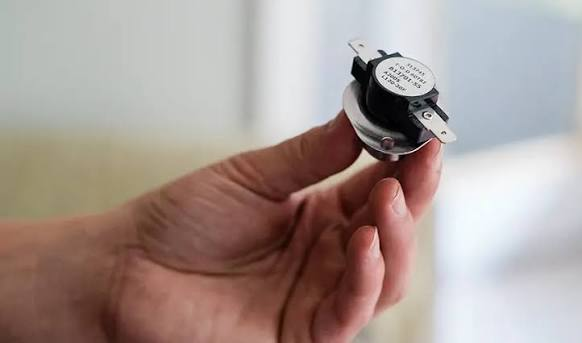
    An AC limit switch is a vital safety and sensor mechanism designed to monitor the internal pressures and temperatures of your air conditioning system. In dedicated cooling systems—such as the split, ducted, and packaged units commonly used across Dubai—these switches primarily monitor the pressure of the chemical refrigerant flowing through the system.

    There are generally two types of limit switches found in modern air conditioning units: the high-pressure limit switch and the low-pressure limit switch. Together, they act as the ultimate fail-safe. If the internal environment of your air conditioner drifts outside of the manufacturer’s safe operating thresholds, the limit switch instantly interrupts the electrical circuit, cutting power to the compressor before the system can destroy itself.

    How Does an AC Limit Switch Work?

    Your air conditioner operates as a closed-loop system, constantly circulating refrigerant between the indoor evaporator coils and the outdoor condenser coils. For the system to cool your home efficiently, this refrigerant must be maintained at highly specific pressure levels.

    The AC limit switch is physically connected to the refrigerant lines and wired directly into the compressor’s control circuit.

    • The High-Pressure Limit Switch: This switch monitors the refrigerant as it leaves the compressor. If the pressure builds up to dangerously high levels—often due to heat failing to dissipate from the outdoor unit—the switch is triggered. By cutting the power, it stops the compressor from continuously pumping gas into an already over-pressurized line, preventing ruptured pipes or a blown compressor motor.
    • The Low-Pressure Limit Switch: Conversely, this switch monitors the system for sudden drops in pressure, which usually indicates a severe refrigerant leak. Operating a compressor without enough refrigerant is incredibly dangerous, as the refrigerant also carries the oil that lubricates the compressor’s internal moving parts. The low-pressure switch shuts the system down to prevent the motor from running dry, overheating, and seizing up permanently.

    Why Is the AC Limit Switch Important?

    Why is an AC limit switch so important? The AC limit switch is important because it is the only component standing between a minor mechanical issue and the total destruction of your air conditioner’s most expensive part: the compressor.

    When an air conditioner is forced to run under abnormal pressure conditions, the physical and thermal strain on the internal mechanics is immense. According to the U.S. Department of Energy, neglecting basic air conditioning maintenance can lead to extreme pressure imbalances that rapidly multiply energy consumption and cause premature compressor failure. The limit switch prevents this chain reaction of destruction.

    Beyond protecting the equipment, the limit switch is a critical fire safety device. If a compressor is allowed to run while severely overheated or over-pressurized, the electrical windings inside the motor can melt, potentially causing a short circuit or an electrical fire. By acting as an automated emergency brake, the limit switch protects both your property and your wallet.

    Signs Your AC Limit Switch Is Malfunctioning or Tripping

    Because the limit switch is a safety device, it doing its job often looks like a system failure. If your limit switch is tripping—or if the switch itself has malfunctioned—you will likely notice several distinct warning signs:

    • AC Short Cycling: The air conditioner turns on, runs for only a few minutes, and then abruptly shuts off before cooling the room. This frequent on-and-off behavior happens when the pressure spikes almost immediately upon startup, triggering the switch to cut the power.
    • System Lockout (Will Not Turn On): Modern AC units have smart control boards. If a limit switch trips multiple times within a specific timeframe, the control board will initiate a “hard lockout.” The system will refuse to turn on at all to prevent further damage until a professional resets the board and diagnoses the root cause.
    • Blowing Warm Air: If the low-pressure limit switch is tripping due to a lack of refrigerant, the indoor fan may continue to run, but it will only blow warm or room-temperature air because the compressor has been safely disabled.
    • Frequent Circuit Breaker Trips: If a limit switch is failing to open the circuit in time, the compressor will overheat, draw massive amounts of electrical current, and trip the main circuit breaker on your home’s electrical panel.

    What Causes an AC Limit Switch to Trip in Dubai?

    In the UAE, environmental factors play a massive role in triggering high-pressure limit switches. The most common causes of a tripped switch include:

    • Dirty Condenser Coils: The outdoor unit is exposed to intense desert dust and sand. When the condenser coils become caked in dirt, they cannot release heat into the outside air. The trapped heat causes internal pressure to skyrocket, instantly tripping the high-pressure switch.
    • Refrigerant Leaks: Microscopic holes in the copper lines allow refrigerant to slowly escape. Once the level drops below the minimum threshold, the low-pressure switch triggers to save the compressor from running without lubrication.
    • Failing Condenser Fan Motor: If the fan on the outdoor unit slows down or dies completely, hot air is not pulled across the coils, leading to a rapid over-pressurization of the system.
    • Blocked Indoor Airflow: A severely clogged indoor air filter restricts the airflow over the evaporator coils, causing them to freeze solid. This disrupts the refrigerant pressure balance and triggers the safety switches.

    Can You Bypass a Tripped AC Limit Switch?

    Under no circumstances should you ever bypass, jump, or permanently disable a tripped AC limit switch. Some amateur handymen attempt to wire around a tripping switch to force the air conditioner to run. This is highly dangerous.

    The limit switch is tripping for a reason. If you bypass it, the underlying pressure or temperature issue remains unresolved. Forcing an over-pressurized or under-lubricated compressor to run will inevitably result in a catastrophic equipment explosion, melted wiring, or a complete motor burnout. A bypassed switch turns a manageable repair into a total system replacement.

    Professional AC Repair and Maintenance in Al Karama

    If your air conditioner is short-cycling, blowing warm air, or refusing to turn on, your safety limit switches are likely trying to tell you something is wrong. Attempting DIY diagnostics on high-voltage, high-pressure climate control systems is unsafe.

    At Al Karama Technical LLC, our certified technicians specialize in diagnosing complex HVAC faults. Whether you are dealing with a faulty safety switch, a hidden refrigerant leak, or a dust-clogged condenser coil, we provide expert AC repair services to restore your indoor comfort safely. Scheduling routine AC maintenance with our team ensures that pressure imbalances are corrected long before they ever trigger a system lockout.

    Frequently Asked Questions

    What does an AC limit switch do? An AC limit switch monitors the internal refrigerant pressure of your air conditioning system. If the pressure gets too high or drops too low, the switch automatically cuts power to the compressor to prevent catastrophic mechanical failure.

    Where is the AC limit switch located? The limit switches are typically located inside the outdoor condenser unit, directly attached to the copper refrigerant lines near the compressor. They are wired into the unit’s electrical control board.

    Can a dirty air filter cause an AC limit switch to trip? Yes, a severely dirty air filter restricts indoor airflow, which can cause the evaporator coils to freeze. This freezing alters the refrigerant pressure throughout the entire system, potentially triggering the low-pressure limit switch.

    How do I know if my AC limit switch is bad? You may have a bad limit switch if your AC shuts off continuously despite having clean coils and perfect refrigerant levels, or if a multimeter test shows the switch has no electrical continuity when system pressures are normal.

    How much does it cost to fix an AC limit switch? The switch itself is relatively inexpensive, but the overall cost depends heavily on what caused the switch to trip in the first place, such as a refrigerant leak or a failing fan motor, which must be resolved simultaneously.

    When should I call an AC repair technician? You should call an AC technician if your system repeatedly shuts off after just a few minutes of cooling, if the outdoor unit will not turn on, or if you suspect a refrigerant leak. You can contact us at Al Karama Technical LLC for professional diagnostics and immediate repair in Dubai.

  • Refrigerator Yearly Maintenance Checklist: Keep Your Cool All Year Long

    Your refrigerator is undoubtedly the hardest-working appliance in your home. Unlike your oven, dishwasher, or washing machine, it runs 24 hours a day, seven days a week, constantly battling the external environment to keep your perishable food safe and fresh. In a climate like Dubai, where ambient temperatures remain intensely high for most of the year, your refrigerator’s compressor and cooling systems endure a massive, non-stop workload.

    Without proactive upkeep, even the highest-quality, premium refrigerators will eventually suffer from declining cooling efficiency, higher electricity consumption, and sudden mechanical failures. Implementing a regular, structured maintenance routine is the single best way to protect your financial investment and avoid waking up to a fridge full of spoiled groceries. This comprehensive refrigerator yearly maintenance checklist covers everything you need to know to keep your appliance in absolute peak condition, ensuring it serves your family reliably for years to come.

    Why Is Refrigerator Maintenance Crucial in Dubai?

    The climate in the United Arab Emirates places unique and extreme stress on household cooling appliances. Every time you open your refrigerator door, the heavy, chilled air spills out onto your kitchen floor, and warm, humid indoor air rushes in to replace it. The appliance must then work aggressively to pull that heat and moisture back out of the sealed system.

    When core components like condenser coils become clogged with household dust, or when rubber door seals weaken, the refrigerator struggles to reject this captured heat. This forces the compressor to run continuously without its normal resting cycles. A continuously running compressor not only spikes your monthly utility bills but also dramatically shortens the mechanical lifespan of the appliance. Staying on top of basic upkeep is just as important for your fridge as routine home appliance repair is for your heavily used washing machines and air conditioners. Regular care reduces energy usage, saves you money, and prevents premature, costly breakdowns.

    The Ultimate Refrigerator Yearly Maintenance Checklist

    To maintain optimal cooling performance, electrical efficiency, and food hygiene, follow this step-by-step checklist. While some tasks should be done annually, others are best performed every few months.

    1. Clean the Condenser Coils (Every 6 Months)

    The condenser coils, usually located at the back or underneath the refrigerator behind a base grille, are responsible for releasing the heat absorbed from the inside of the fridge into the room. Over time, these coils attract a thick layer of dust, pet hair, and kitchen grease. This debris acts as a thermal insulating blanket, preventing heat from escaping.

    How to clean them: Always unplug the refrigerator from the wall before starting this task. If the coils are underneath the unit, remove the front base grille and use a specialized long coil brush or a vacuum cleaner with a narrow crevice attachment to carefully remove the dust. If the coils are on the back, gently pull the fridge away from the wall and vacuum the black metal grid. If your coils are heavily caked in grease and dust, it may be time to schedule professional refrigerator repair and servicing to have the system safely deep-cleaned.

    2. Inspect and Clean the Door Seals (Every 3 Months)

    The rubber gaskets (seals) around the doors are the only things keeping the freezing cold air locked inside the cabinet. If these seals become dirty, cracked, or loose, warm air will constantly seep into the fridge. This leads to erratic temperature fluctuations and excessive internal condensation, which eventually turns into thick frost.

    How to maintain them: Wipe the seals down with a soft sponge and warm, soapy water to remove sticky fruit juice or food residue. To test the magnetic tightness of the seal, close the door on a piece of paper or a banknote. If you can pull the paper out easily without feeling any resistance, the magnetic seal is failing and the gasket needs to be replaced immediately.

    3. Change the Water Filter (Every 6 Months)

    If your refrigerator features a built-in water dispenser or an automatic ice maker, it relies heavily on a disposable water filter to remove impurities, chlorine, and hard mineral deposits from the municipal water supply. An old, clogged filter will cause water pressure to drop significantly, reduce your daily ice production, and can even harbor unpleasant bacteria that alter the taste of your water.

    How to change it: Locate the filter housing—usually inside the top right corner of the fresh food compartment or hidden behind the bottom base grille—and twist the old filter out. Always replace it with an OEM (Original Equipment Manufacturer) filter that is strictly recommended for your specific model.

    4. Clear the Drip Pan and Defrost Drain (Yearly)

    Modern frost-free refrigerators work by melting ice off the internal evaporator coils during automatic defrost cycles. This melted water flows down a small drain hole at the back of the fridge and into a drip pan located underneath the unit, where the heat of the compressor naturally evaporates it. If the drain hole gets clogged with food crumbs or frozen condensation, water will back up and pool under your crisper drawers.

    How to clean it: Locate the drain hole behind the bottom crisper drawers. Use a flexible pipe cleaner, a cotton swab, or a turkey baster filled with warm water to gently flush out any physical blockages. If your exterior drip pan is accessible, slide it out and wash it with warm soapy water to prevent foul, moldy odors from developing under the appliance.

    5. Check and Calibrate Temperature Settings (Monthly)

    Storing your food at the wrong temperature encourages rapid bacterial growth and forces the appliance to work much harder than necessary. According to the U.S. Food and Drug Administration (FDA), maintaining correct temperatures is the most effective way to prevent foodborne illnesses at home.

    How to set it: Ensure your refrigerator is set between 3°C and 4°C (37°F to 40°F), and the freezer is set to exactly -18°C (0°F). Avoid packing the shelves so tightly that air cannot circulate; the internal fans need clear, unobstructed pathways to distribute cold air evenly across all shelves.

    Daily and Weekly Refrigerator Care Habits

    While deep mechanical maintenance is required yearly or bi-annually, your day-to-day habits heavily influence your appliance’s longevity and performance. Exploring our services for routine appliance upkeep is helpful, but home habits matter just as much:

    • Keep it stocked, but not stuffed: A full freezer actually retains cold better than an empty one. The frozen solid items act like ice blocks, helping the fridge recover its target temperature very quickly after the door is opened. However, do not block the air vents at the back.
    • Wipe acidic spills immediately: Spills from orange juice, tomato sauces, or marinades can permanently stain the plastic interior and chemically degrade the rubber door seals if left unattended.
    • Let hot food cool before storing: Placing piping hot leftovers directly into the fridge raises the internal temperature drastically. This forces the compressor to run a long, emergency cooling cycle to stabilize the environment.

    When Should You Call a Professional for Refrigerator Repair?

    Routine maintenance will prevent most common household issues, but moving mechanical components eventually wear out over time. You should seek professional assistance if you notice the compressor running without ever shutting off, loud grinding or clicking noises coming from the back, rapid frost buildup in the freezer, or if the fresh food compartment feels unusually warm despite being set to the correct temperature.

    Because modern refrigerators feature highly complex sealed cooling systems, flammable refrigerants, and sensitive electronic control boards, attempting DIY mechanical repairs is dangerous and will likely void your manufacturer’s warranty. When basic maintenance is no longer enough to keep your food cold, trust the experts. Contact us at FixFast LLC for fast, reliable, and professional appliance service anywhere in Dubai. Our certified technicians can accurately diagnose faulty compressors, locate hidden refrigerant leaks, and restore your appliance to absolute peak efficiency.

    Frequently Asked Questions

    How often should I clean my refrigerator condenser coils? You should clean your refrigerator condenser coils at least twice a year. If you have shedding pets in the house or live in a particularly dusty environment, cleaning them every three to four months is highly recommended to maintain airflow.

    Why is water pooling at the bottom of my fridge? Water pooling under the crisper drawers is almost always caused by a blocked defrost drain tube. Food particles or solid ice build up in the drain hole, preventing normal condensation from flowing down into the exterior drip pan.

    Can a bad door seal cause a refrigerator to stop cooling? Yes, a failing door seal allows cold air to escape constantly and warm, humid air to enter. This constant heat infiltration overwhelms the compressor, leading to poor cooling performance and excessive frost buildup on the internal evaporator coils.

    How do I know if my refrigerator compressor is failing? Signs of a failing compressor include continuous operation without actually cooling the interior, loud humming or knocking noises, frequent circuit breaker trips, or the back wall of the refrigerator feeling excessively hot to the touch.

    Why does my refrigerator smell bad even after I clean the inside? If the interior is completely clean but a bad odor persists, the smell is likely coming from the hidden exterior drip pan underneath the unit. Stagnant defrost water can grow mold and bacteria, requiring the pan to be manually removed and sanitized.

    When should I call a technician for refrigerator problems? You should call a professional technician if your fridge stops cooling entirely, leaks fluid or refrigerant, makes loud mechanical grinding noises, or continuously runs without cycling off.

  • AC Repair in Al Karama: Navigating Older Buildings and Clogged Drain Lines

    Living in Al Karama offers residents a unique blend of vibrant community life, rich history, and well-established infrastructure right in the heart of Dubai. However, residing in one of the city’s older, more historic neighbourhoods often comes with specific maintenance challenges, particularly when it comes to climate control. When temperatures soar, a fully functional air conditioning system is not just a luxury; it is a necessity for indoor comfort, health, and safety.

    One of the most frequent cooling issues reported by tenants and property owners in this district is water leakage caused by clogged condensate drain lines. Understanding the relationship between older building infrastructure and modern cooling demands is essential for preventing costly property damage. This comprehensive guide explores why AC drainage problems frequently occur in older buildings, how to identify the early warning signs of a blockage, and how proper maintenance can protect your home.

    Why AC Problems Can Be Different in Older Al Karama Buildings

    The architectural landscape of Al Karama is distinct from the newly developed, ultra-modern districts of Dubai. Many residential and commercial buildings here were constructed decades ago. While these structures are highly durable, their ageing internal infrastructure can significantly impact how air conditioning systems operate and drain.

    Older AC installations and retrofitted cooling systems often face drainage challenges because they must rely on the building’s original plumbing arrangements. In many older buildings, AC drain pipes are deeply embedded within solid concrete walls or routed through narrow, restrictive ceiling spaces. Over the years, buildings naturally settle. This slight structural shifting can alter the gravitational slope of the concealed PVC drain pipes. When a drain pipe loses its downward slope, water pools inside the line instead of flowing outward, creating the perfect environment for sludge buildup.

    Furthermore, previous modifications or rushed repairs by unqualified handymen over the lifespan of the building can leave you with mismatched pipe fittings or improper drainage traps. These legacy issues make proper AC maintenance more complex, requiring technicians who understand how to navigate the hidden quirks of older properties without causing structural damage.

    The Science of Condensation: Why Does Your AC Produce Water?

    To understand why a drain line clogs, it is helpful to know why your air conditioner produces water in the first place. Your AC unit does not just cool the air; it also acts as a powerful dehumidifier.

    As warm, humid indoor air is pulled over the freezing cold evaporator coils inside your indoor AC unit, the moisture in the air condenses into liquid water. This is the exact same physical process that causes water droplets to form on the outside of a cold glass of water on a hot day. In a healthy AC system, this condensation drips off the coils into a primary drain pan, flows into the condensate drain line, and is safely routed outside the building or into the main plumbing system. During a humid Dubai summer, a standard residential AC unit can produce several litres of water every single day.

    What Causes an AC Drain Line to Become Clogged?

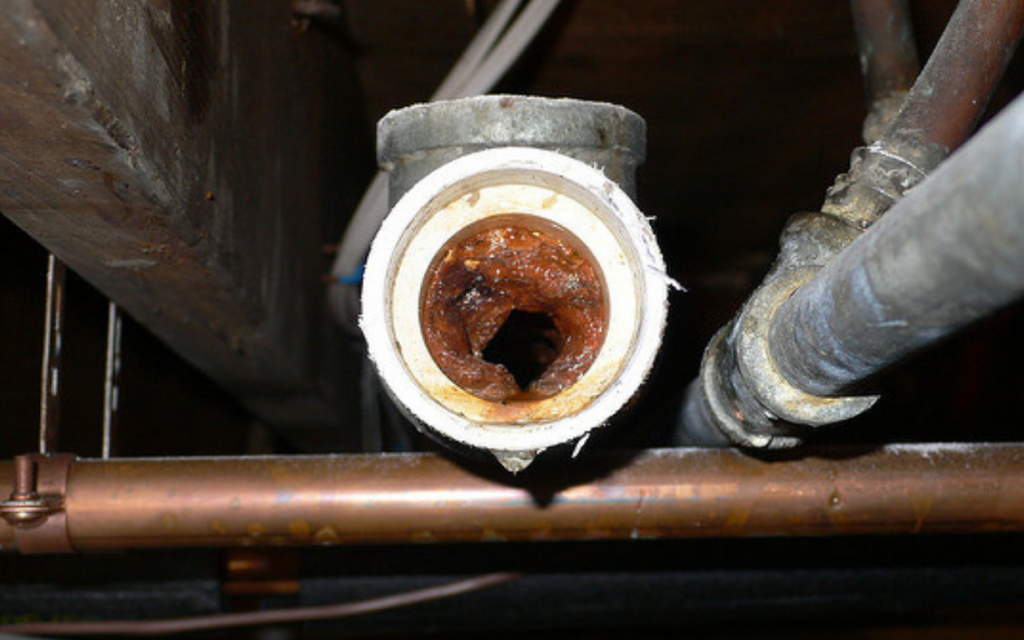
    What causes an AC drain line to clog? An AC drain line clogs primarily due to a heavy accumulation of airborne dust, dirt, algae, mold spores, and biological sludge that builds up inside the dark, damp PVC piping over months of continuous use.

    Several specific factors contribute to these blockages in Dubai homes:

    • Dust and Airborne Debris: Dubai’s desert environment means that indoor air naturally contains fine sand and dust particles. When your air filter becomes saturated, this fine dust bypasses the filter, lands on the wet evaporator coils, and is washed down into the drain pan. Over time, this wet dirt forms a thick, heavy mud that clogs the narrow drain line.
    • Algae and Biological Sludge: The inside of an AC drain line is dark, cold, and constantly damp. This creates the ultimate breeding ground for algae, mold, and mildew. As these biological contaminants grow, they form a sticky, jelly-like substance—often referred to as “white slime”—that easily blocks the flow of water.
    • Lack of Preventative Maintenance: The most common cause of a severe blockage is simply neglect. If an AC unit runs for years without professional cleaning, the gradual buildup of sludge will eventually reach a critical mass, completely sealing off the pipe.

    Signs Your AC Drain Line May Be Blocked

    How do I know if my AC drain line is blocked? You can determine if your AC drain line is blocked if you observe water dripping directly from the indoor unit, pooling around the bottom of the wall, or if your home develops a persistent musty, damp odor.

    Because the drain line is usually hidden from view, you must rely on secondary symptoms to identify a blockage. Look out for these practical warning signs:

    • Direct Water Leakage: The most obvious sign is water visibly dripping from the indoor air handler or split unit casing.
    • Bubbling Paint or Water Stains: In older buildings where drain lines run through the walls, a hidden blockage might force water to seep into the masonry. Look for bubbling wall paint, peeling wallpaper, or expanding brown water stains on the ceiling directly below the unit.
    • Musty Odours: Sometimes called “Dirty Sock Syndrome,” a foul, rotting smell blowing from your AC vents often indicates standing, stagnant water trapped in the drain pan due to a blockage.
    • AC Shutting Off Unexpectedly: Modern air conditioners are equipped with an emergency float switch located in the drain pan. If the water level rises dangerously high because the drain is blocked, this safety switch will automatically cut power to the AC unit to prevent a catastrophic indoor flood. If your AC repeatedly turns off after running for a short period, a blocked drain is a highly likely culprit.
    • Reduced Cooling Performance: If the evaporator coils are frozen or the system is struggling against a backed-up drain, the overall cooling efficiency of your living space will noticeably decline.

    The Hidden Risks of Ignoring AC Water Leaks

    Ignoring a clogged condensate drain is a risky decision that can lead to severe secondary consequences. For tenants, untreated water leaks can permanently damage landlords’ property, including wooden flooring, carpets, and drywall, which can result in the loss of security deposits. For property owners, repairing water-logged masonry in an older building is significantly more expensive than basic AC maintenance.

    Beyond financial costs, there is a serious health component. Stagnant water overflowing from an AC pan introduces high levels of moisture into the surrounding drywall and ceiling cavities. This creates an ideal environment for toxic black mold to flourish. Once mold spores are pulled into the AC system, they are rapidly circulated throughout your indoor air, potentially triggering asthma, allergies, and severe respiratory issues for the building’s occupants.

    How AC Technicians Handle Clogged Drain Lines

    When you experience severe drainage problems, professional intervention is required to clear the blockage safely. A certified technician uses a structured approach to troubleshoot and resolve the issue without damaging the ageing pipes of your building.

    First, the technician will carefully inspect the indoor unit, accessing the primary drip pan to assess the water level and check for rust or corrosion. Once the blockage is confirmed, they will locate the exit point of the condensate drain.

    Professionals do not use harmful chemical drain cleaners, as these can melt PVC pipes and release toxic fumes into the HVAC system. Instead, they use specialized equipment. Often, an industrial wet/dry vacuum is attached to the outside of the drain line to aggressively suck out the algae, sludge, and trapped water. If the blockage is deeply calcified, the technician may use highly pressurized nitrogen gas to blow the obstruction out of the pipe safely.

    After clearing the pipe, the technician will flush the system with clean water to verify the drainage flow, apply specialized algaecide tablets to the drain pan to prevent future biological growth, and thoroughly test the system’s electrical safety switches.

    How to Prevent AC Drain Problems in Al Karama

    Maintaining an optimal indoor climate in an older property requires proactive care. According to the U.S. Department of Energy, routinely replacing filters and ensuring that condensate drains remain completely unobstructed are among the most critical steps to maintaining cooling efficiency and extending the lifespan of your unit.

    To prevent drain line blockages in your home, consider these practical maintenance measures:

    • Clean or Replace Filters Monthly: The most effective way to stop dirt from entering your drain line is to stop it at the filter. Wash reusable filters or replace disposable ones every 30 days during the intense Dubai summer.
    • Schedule Regular Professional Maintenance: Have your cooling system professionally serviced at least twice a year. Routine AC maintenance allows technicians to flush the drain lines before algae and sludge can cause a total blockage.
    • Address Unusual Smells Early: Do not ignore musty odors. If the air smells damp, have the drip pan inspected immediately.
    • Keep Accessible Areas Clear: Ensure that the area around your indoor and outdoor units is free of dust, furniture, and debris that could restrict airflow or obscure a hidden water leak.

    When Should You Call an AC Repair Technician?

    While cleaning an air filter is a safe task for any homeowner, dealing with internal plumbing, electrical components, and chemical refrigerants requires certified expertise. You should call a professional technician if you experience persistent water leakage, if your system repeatedly shuts down, if you hear unusual mechanical noises, or if basic filter cleaning does not restore your cooling performance.

    Attempting DIY repairs on an overflowing AC unit can expose you to live electrical wiring and potentially worsen the internal damage. When you need dependable, fast, and safe solutions, Al Karama Technical LLC provides expert AC repair services throughout Dubai. Our technicians are highly experienced in navigating the unique architectural layouts of Al Karama, ensuring your cooling systems are restored efficiently.

    Frequently Asked Questions

    Why does my AC leak water in Al Karama? Your AC leaks water primarily because the condensate drain line is completely blocked. When the condensation cannot exit the pipe, the water backs up, overflows the indoor drip pan, and leaks down your walls or ceilings.

    What causes an AC drain line to clog? An AC drain line clogs due to a heavy accumulation of dust, dirt, mold, and algae. Because the inside of the pipe is constantly wet, biological sludge forms easily and eventually seals off the water flow.

    How do I know if my AC drain line is blocked? You will know your AC drain line is blocked if you see water pooling around the indoor unit, notice a musty rotting smell from your air vents, or if the AC unexpectedly shuts off due to a triggered emergency float switch.

    Can an older building cause AC drainage problems? Yes, older buildings can contribute to AC drainage problems. Over decades, buildings settle, which can eliminate the vital downward slope of concealed drainage pipes, causing water to pool inside the walls instead of flowing outward.

    How can I prevent AC drain line blockages? You can prevent blockages by washing your air filters once a month to reduce airborne dust and by scheduling professional home appliance repairs and AC servicing twice a year to keep the internal pipes flushed and sanitized.

    When should I call an AC repair technician? You should call an AC repair technician immediately if water is actively leaking from the unit, if the system fails to cool the room, or if the AC repeatedly trips your circuit breakers.

    Are you dealing with an unexpected AC water leak, poor cooling, or a blocked drain line? Protect your property from water damage and restore your indoor comfort today. Contact us at Al Karama Technical LLC for professional, reliable AC inspection and repair across Dubai.

  • 5 Warning Signs Your Washing Machine is About to Flood Your Apartment

    A washing machine flood in a Dubai apartment is a serious household emergency. Because apartment units are stacked, a major appliance leak does not just ruin your own flooring—it can quickly seep into the ceiling of the unit below you, leading to extensive property damage and costly repair bills.

    Fortunately, washing machines rarely suffer catastrophic failures without warning. If you know what to look for, you can catch mechanical issues before they turn into a flood. Here are the five most common warning signs that your washing machine is on the verge of a major leak.

    1. Small Puddles and Unexplained Leaks

    What do small puddles around a washing machine mean? Small puddles or dried water stains around the base of your washing machine indicate a failing internal seal, a cracked water pump, or a loose hose connection.

    Never ignore a minor leak. While it might seem like a harmless splash, a slow drip is often the first symptom of a weakened component. When this compromised part is subjected to the high water pressure of a full wash cycle, it can suddenly rupture. If you cannot identify the exact source of a puddle, it is highly recommended to arrange a professional home appliance repair inspection before using the machine again.

    2. Bulging or Cracked Water Supply Hoses

    Why do washing machine hoses burst? Washing machine hoses burst because traditional rubber degrades, hardens, and cracks over time due to constant exposure to high water pressure and temperature fluctuations.

    A burst supply hose is the leading cause of washing machine floods. To prevent this, pull your machine away from the wall and inspect the hot and cold water hoses. Look for blisters, bulging sections, or dry rot. According to the Insurance Institute for Business & Home Safety (IBHS), homeowners should inspect these hoses annually and replace them every five years to prevent sudden catastrophic water damage. Upgrading to braided stainless steel hoses is one of the best preventative measures you can take.

    3. The Washing Machine Overfills During a Cycle

    Why won’t my washing machine stop filling with water? A washing machine will not stop filling if the water inlet valve gets stuck in the “open” position or if the pressure switch (water level sensor) malfunctions and fails to signal that the drum is full.

    If you own a front-loader, keep an eye on the water level through the glass door. If the water rises higher than normal, stop the cycle immediately. If a faulty inlet valve fails completely, water will continue to pump into your apartment even after you have unplugged the machine, causing a rapid and severe flood.

    4. Violent Shaking During the Spin Cycle

    Can a shaking washing machine cause a flood? Yes, violent shaking can cause a washing machine to physically walk across the floor, which can rip the water supply hoses directly out of the wall valves or detach the drain hose from the plumbing.

    While some vibration is normal, aggressive banging means the machine is unbalanced, the shock absorbers have worn out, or the drum bearings are failing. This extreme motion puts massive physical strain on all external water connections. If your machine is shaking dangerously out of control, you need immediate washing machine repair to secure the drum and protect your plumbing.

    5. A Degraded or Moldy Door Seal

    How does a damaged door seal cause a washing machine to leak? A damaged door seal compromises the watertight barrier of a front-loading washing machine, allowing the high-speed sloshing of water inside the drum to push directly through the gaps and onto your floor.

    Over time, this thick rubber gasket is broken down by harsh detergents, hard water limescale, and general wear. Inspect your door seal closely for tears, stretching, or heavy mold buildup that prevents the glass door from closing flush against the rubber.

    How to Prevent Washing Machine Floods in Your Apartment

    If you notice any of these warning signs, you must act quickly to protect your property. First, locate the hot and cold water valves on the wall behind your machine and turn them off immediately. Do not attempt to run “just one more load,” as this is often when the final component break occurs. Review your appliance’s condition and consider exploring professional maintenance services to catch hidden wear and tear before it becomes a disaster.

    When Should You Call a Washing Machine Repair Technician?

    You should call an expert when your washing machine leaks, overfills, shakes violently, or displays error codes you cannot resolve. DIY fixes on high-pressure water systems are risky in apartment buildings. For fast, reliable service, trust the experts at Al Karama Technical LLC. Our technicians provide comprehensive appliance diagnostics and repairs across Dubai to keep your home safe and dry.

    Frequently Asked Questions

    Why is my washing machine leaking from the bottom?

    A washing machine leaking from the bottom usually has a cracked internal water pump, a damaged tub seal, or a loose internal drain hose. This requires a technician to open the machine’s casing for an accurate diagnosis.

    How often should I replace washing machine hoses?

    You should replace standard rubber washing machine hoses every five years. If you upgrade to braided stainless steel hoses, they offer superior durability and resistance to bursting.

    What should I do if my washing machine won’t stop filling?

    If your machine won’t stop filling, immediately turn off the hot and cold water supply valves on the wall behind the unit. Then, unplug the machine to stop the electrical current to the water inlet valve.

    Can a blocked drain filter cause a flood?

    Yes, a severely blocked drain filter can cause water to back up and overflow from the machine, or force water out through the door seal due to poor drainage during the spin cycle.

    When do I need professional washing machine repair in Dubai?

    You need professional repair if your machine is leaking, failing to drain, making loud grinding noises, or shaking violently. You can contact us at Al Karama Technical LLC for expert appliance inspection and immediate repairs in your Dubai apartment.

  • How Often Should You Clean Your Dishwasher Filter?

    You should clean your dishwasher filter every one to three months, depending on your usage habits and whether you scrape food off plates before loading them. If you run your dishwasher daily or frequently wash heavily soiled pots and pans, a monthly cleaning is highly recommended. However, always refer to your manufacturer’s recommendations first, as maintenance schedules vary between models, and some older dishwashers feature self-cleaning filters that do not require manual removal.

    Dishwasher Maintenance JVC

    Why Does Your Dishwasher Filter Need Regular Cleaning?

    Your dishwasher filter needs regular cleaning because it is designed to capture food particles, grease, and debris during the wash cycle. This prevents food from recirculating and sticking to your clean dishes. When the filter becomes clogged, it obstructs water flow, severely affecting overall cleaning performance, drainage, and hygiene. A neglected filter also creates a damp environment where bacteria can thrive, leading to unpleasant odours every time you open the appliance door.

    Signs Your Dishwasher Filter Needs Cleaning

    It is usually easy to tell when your filter is struggling to do its job. Look out for these practical signs that indicate an immediate cleaning is necessary:

    • Dirty dishes after a cycle: Glasses and plates come out with a gritty residue.
    • Unpleasant smells: A damp, sour, or rotting food odour inside the drum.
    • Slow drainage: Water takes too long to drain at the end of a cycle.
    • Standing water: Puddles of dirty water remain at the bottom of the tub.
    • Visible food debris: Chunks of food are trapped around the filter housing.
    • Reduced cleaning performance: You find yourself needing to rewash items frequently.

    How to Clean a Dishwasher Filter Safely

    Cleaning a dishwasher filter is a straightforward process, but it must be done carefully to avoid damaging the delicate mesh. Check your manufacturer’s instructions first, as removal methods depend entirely on your appliance’s design.

    Generally, you can remove the filter by turning the cylindrical piece at the base of the dishwasher tub and lifting it out. Rinse away loose debris under warm running water. Whirlpool recommends rinsing filters and using a soft brush for stubborn deposits while explicitly warning against using abrasive tools like wire brushes or scouring pads. Once clean, reinstall the filter correctly and lock it securely into place. Never operate the dishwasher without the required filters properly installed, as loose debris can permanently damage the pump.

    How a Blocked Filter Can Affect Dishwasher Performance

    A blocked dishwasher filter disrupts the entire internal ecosystem of your appliance. When water cannot flow freely through a clogged mesh, you will immediately notice drainage problems and food particles remaining on dishes. The restricted water circulation forces the internal mechanisms to work harder, putting unnecessary pump strain on the system. Over time, this recurring strain can lead to reduced wash performance, unpleasant odours, and recurring dishwasher faults, although a dirty filter does not automatically mean component failure.

    Dishwasher Maintenance Tips for Dubai Homes

    Maintaining a household appliance in a busy environment requires a proactive approach. For homeowners and tenants in Dubai, regular filter inspection should be part of your routine kitchen maintenance. Always remove large food particles before loading plates into the machine, and routinely check that the spray arms are clear of blockages. Look out for standing water after cycles and always follow the manufacturer’s maintenance instructions. If routine cleaning does not resolve poor performance, it is best to arrange a professional inspection through a trusted home appliance repair provider to ensure your unit is operating efficiently.

    When Should You Call a Dishwasher Repair Technician?

    You should call a dishwasher repair technician when basic filter cleaning is no longer enough to resolve your appliance issues. Persistent drainage problems, leaks, unusual noises, error codes on the display, or consistently poor cleaning performance often point to internal faults like a failing drain pump or sensor issue. If you are facing these problems, Al Karama Technical LLC provides professional dishwasher repair in Dubai, ensuring your appliance is correctly diagnosed and safely restored.

    Frequently Asked Questions

    How often should I clean my dishwasher filter?

    You should clean your dishwasher filter every one to three months. If you use your dishwasher daily or do not scrape plates before loading, cleaning it once a month will yield the best results.

    What happens if I don’t clean my dishwasher filter?

    If you do not clean your dishwasher filter, food debris will block the mesh screen. This leads to poor cleaning performance, standing water in the tub, and strain on the dishwasher’s drainage pump.

    Can a dirty dishwasher filter cause bad smells?

    Yes, a dirty dishwasher filter is a primary cause of bad smells. Trapped food particles and grease decay in the damp environment of the filter, circulating foul odours throughout the appliance.

    Why is my dishwasher not draining after cleaning the filter?

    If your dishwasher is not draining after cleaning the filter, the blockage is likely deeper in the system. You may have a clogged drain hose, a blocked air gap, or a failing drain pump that requires professional attention.

    Can I clean a dishwasher filter with a brush?

    Yes, you can clean a dishwasher filter with a soft brush, such as an old toothbrush or a soft nylon dish brush. You must avoid harsh scrubbing pads or wire brushes, which can tear the filter mesh.

    When should I call a dishwasher repair technician?

    You should call a dishwasher repair technician if you experience persistent drainage issues, loud noises, or error codes that do not go away after cleaning the filter. You can contact us at Al Karama Technical LLC for expert dishwasher inspection and repair in Dubai.

  • Home Appliance Repair Dubai: A Practical Guide for Homeowners

    Home appliances are an essential part of everyday life in Dubai. From air conditioners and refrigerators to washing machines, dishwashers, stoves and dryers, these appliances are used regularly. When an appliance stops working or starts showing signs of a fault, getting professional help early can prevent the problem from becoming more complicated.

    Washing Machine Repair In Al Quoz

    Al Karama Technical LLC provides professional home appliance repair in Dubai, helping homeowners and tenants diagnose and repair a wide range of household appliances. A professional technician can identify the cause of a fault and recommend the most practical repair solution.

    What Does Home Appliance Repair in Dubai Include?

    Home appliance repair covers the inspection, diagnosis, maintenance and repair of household appliances that are not working correctly. The exact repair depends on the appliance and the type of fault.

    For example, an air conditioner may stop cooling properly, while a refrigerator may struggle to maintain the correct temperature. A washing machine might fail to drain or spin, while a dishwasher may leave water inside after completing a cycle.

    For cooling problems, professional AC repair in Dubai can help identify issues involving airflow, electrical components, drainage, refrigerant-related problems and other system faults.

    Professional diagnosis is important because similar symptoms can have different causes. Inspecting the appliance first helps avoid unnecessary replacement of working components.

    Common Appliance Problems in Dubai Homes

    Home appliances can develop faults because of regular use, component wear, electrical problems, blocked parts or inadequate maintenance. Dubai’s hot climate can also place additional demands on appliances, particularly air-conditioning systems that operate for long periods.

    Refrigerators are another essential appliance. Poor cooling, excessive frost, unusual sounds and water leakage are signs that the appliance may require professional attention.

    If your refrigerator is not maintaining the correct temperature, fridge repair in Dubai can help diagnose the underlying problem and determine whether a component needs repair or replacement.

    Dishwashers can also develop problems such as drainage failures, poor cleaning performance, leaks, heating problems and error codes. These issues may involve pumps, sensors, heating elements, control boards or drainage systems.

    For these situations, dishwasher repair services can provide professional inspection and repair for common dishwasher faults.

    When Should You Call an Appliance Technician?

    Not every appliance problem means the appliance needs to be replaced. In many cases, a particular component or system may simply require repair.

    You should consider contacting a professional technician when an appliance:

    • Stops working completely
    • Makes unusual noises
    • Fails to perform its normal function
    • Displays an error code
    • Leaks water
    • Does not cool or heat correctly
    • Fails to drain or spin
    • Repeatedly switches off

    Washing machines, for example, can develop drainage, spinning, vibration and starting problems. Modern washing machines also contain electronic controls and safety systems that can require specialist diagnosis.

    Al Karama Technical LLC provides washing machine repair in Dubai for different types of washing machine faults and brands.

    Why Regular Appliance Maintenance Matters

    Regular appliance maintenance can help identify developing problems before they become major breakdowns. Maintenance requirements vary by appliance and manufacturer, so homeowners should follow the recommended care instructions for their specific model.

    Air conditioners are particularly important in Dubai because they may operate for extended periods during hot weather. Keeping filters and relevant components clean and ensuring proper airflow can support normal operation.

    Homeowners should also avoid overloading washing machines and dryers, keep refrigerator ventilation areas clear and follow the manufacturer’s cleaning and maintenance recommendations.

    If an appliance begins behaving differently, early inspection can sometimes prevent a minor problem from becoming a more expensive repair.

    Appliance Repair or Replacement: Which Is Better?

    One of the most common questions homeowners have is whether they should repair an appliance or replace it.

    The answer depends on several factors, including the appliance’s age, the type of fault, replacement-part availability, overall condition and expected repair cost.

    A relatively new appliance with a minor component failure may be worth repairing. An older appliance with repeated major problems may eventually become less economical to maintain.

    A professional technician can inspect the appliance and explain the problem, allowing the homeowner to make a more informed decision.

    Professional Stove and Cooking Appliance Repair

    Cooking appliances are another important part of a Dubai home. Ovens and stoves are used frequently, and faults can quickly affect everyday routines.

    Problems such as burner failure, ignition issues, uneven heating and other operational faults should be professionally assessed, especially when gas or electrical components are involved.

    For homeowners experiencing stove problems, gas stove repair in Dubai provides a relevant option for professional diagnosis and repair.

    The same principle applies to other kitchen appliances: if an appliance develops an unusual smell, repeated electrical fault, leak or serious performance problem, professional inspection is preferable to continuing to operate it without understanding the cause.

    Why Choose Al Karama Technical LLC?

    Choosing a home appliance repair company in Dubai means looking beyond simply finding the nearest technician. Experience, accurate diagnosis, communication and knowledge of different appliance types all matter.

    Al Karama Technical LLC provides appliance repair services for a range of household equipment in Dubai. Its service coverage includes refrigerators, washing machines, dishwashers, stoves, dryers and air-conditioning systems. The company’s website also highlights same-day appliance repair services and professional technicians.

    Having access to multiple appliance repair services can make the process more convenient when more than one household appliance requires attention.

    For example, if your laundry equipment is not drying clothes correctly, dryer repair in Dubai can be considered as part of your appliance repair requirements.

    Professional diagnosis also helps homeowners understand whether a fault is repairable, whether a component needs replacement or whether replacing the appliance may be more practical.

    Frequently Asked Questions

    What is home appliance repair in Dubai?

    Home appliance repair in Dubai involves professionally diagnosing and repairing household appliances that are not working correctly. Services can include refrigerators, washing machines, dishwashers, stoves, dryers and AC systems.

    When should I call an appliance repair technician?

    You should contact a technician when an appliance stops working, repeatedly develops faults, produces unusual sounds, leaks, displays an error or fails to perform its normal function.

    Is it better to repair or replace an appliance?

    It depends on the appliance’s age, condition, fault, parts availability and expected repair cost. A professional diagnosis can help you make a more informed decision.

    Can one company repair different home appliances?

    Yes. A professional appliance repair company may handle multiple appliance categories, allowing homeowners to arrange different repairs through one service provider.

    How can I reduce appliance breakdowns?

    Following manufacturer maintenance instructions, keeping appliances clean, avoiding overloading and addressing early warning signs can help maintain normal appliance performance.

    Final Thoughts

    Reliable home appliance repair in Dubai can help homeowners keep essential household equipment operating properly. Whether the problem involves an AC system, refrigerator, washing machine, dishwasher, stove or dryer, professional diagnosis is a useful first step.

    Instead of immediately replacing an appliance, homeowners can have the problem inspected to understand the cause and available repair options.

    Al Karama Technical LLC provides home appliance repair services across Dubai, helping customers address common appliance problems with professional technical support.

  • Hard Water Survival Guide: Protecting Your Dishwasher from Scale Buildup

    Hard water can quietly affect dishwasher performance. Over time, minerals such as calcium and magnesium can leave white deposits on dishes, glassware and internal dishwasher components. If the buildup continues, your appliance may begin cleaning less effectively, develop water-flow problems or require professional attention.

    For households and businesses in Dubai, understanding how to control mineral buildup can help keep a dishwasher working efficiently. This guide explains what hard water does to a dishwasher, how to reduce limescale and when it may be time to contact a professional dishwasher repair service.

    What Is Hard Water and Why Does It Affect Dishwashers?

    Hard water contains higher concentrations of minerals, particularly calcium and magnesium. When this water repeatedly passes through a dishwasher, some of those minerals can remain behind as deposits.

    The problem can become more noticeable when water is heated during wash cycles. Mineral deposits may gradually collect around areas involved in water circulation and heating. Whirlpool explains that hard water can leave mineral deposits inside a dishwasher and that a suitable water-softening system can help reduce limescale buildup. Whirlpool dishwasher water-softener guidance

    Dishwasher Maintenance JVC

    What Does Limescale Look Like in a Dishwasher?

    One of the first signs is often visible on the dishes rather than inside the appliance. Glasses may develop cloudy marks, white spots or a thin film after washing.

    Inside the dishwasher, you may notice chalky deposits around the filter, spray arms, racks or other areas exposed to circulating water. If deposits become significant, they can interfere with water flow and contribute to declining cleaning performance.

    A dishwasher that has developed mineral buildup may also require more frequent cleaning than one operating with appropriately treated water.

    How Can Hard Water Affect Dishwasher Performance?

    Scale buildup does not necessarily mean your dishwasher is about to fail, but persistent deposits can affect important functions.

    Minerals may accumulate around spray-arm openings, reducing effective water distribution. Deposits can also develop around heating components or internal water passages. When water cannot circulate or heat as intended, dishes may remain dirty, cycles may become less effective and the appliance may show other performance issues.

    If your dishwasher is already experiencing drainage problems, a useful starting point is the dishwasher not draining guide, which explains common causes such as blocked filters and drain-pump problems.

    Why Is My Dishwasher Leaving White Residue?

    White residue does not always mean hard water. It can also result from detergent residue, incorrect detergent quantities or poor rinsing.

    If the residue appears mainly as spots or cloudy film on glasses, hard-water minerals may be involved. If it feels more like a detergent coating, the detergent or wash process may be the more likely cause.

    Checking the filter, spray arms and detergent dispenser can help identify obvious issues. However, persistent residue combined with poor cleaning performance may require professional diagnosis.

    How Can You Prevent Dishwasher Scale Buildup?

    Regular maintenance is one of the simplest ways to reduce problems associated with mineral deposits.

    Clean the dishwasher filter according to the manufacturer’s instructions and inspect the spray arms for blocked openings. Use a dishwasher detergent appropriate for your appliance and follow the recommended dosage rather than assuming that more detergent provides better cleaning.

    If your dishwasher has a built-in water-softening system, follow the manufacturer’s instructions for the correct hardness setting and dishwasher salt. Not every dishwasher uses the same system, so always check the appliance manual before changing settings or adding products.

    Periodic cleaning with a dishwasher-compatible descaling product may also be appropriate when recommended by the manufacturer.

    For broader appliance support, you can also explore home appliance repair services in Dubai.

    When Does Hard Water Become a Dishwasher Repair Problem?

    Hard water is only one possible cause of dishwasher problems. Professional inspection becomes more important when mineral buildup appears alongside persistent symptoms.

    These can include poor cleaning, incomplete drainage, unusual noises, water leakage, heating problems, recurring error codes or a dishwasher that stops during a cycle.

    A professional technician can inspect the appliance and determine whether the issue is related to scale, a blocked component, a pump, heating system, water inlet, electrical component or another fault.

    Al Karama Technical LLC provides professional dishwasher repair in Dubai for residential and commercial appliances. The company’s service information covers problems including drainage faults, blocked filters, spray-arm issues, pumps and electrical controls.

    Professional Dishwasher Repair in Dubai

    When basic cleaning does not resolve a recurring dishwasher problem, continued use may not solve the underlying fault. A technician can inspect the appliance, identify the source of the problem and determine whether cleaning, adjustment, repair or component replacement is appropriate.

    Al Karama Technical LLC serves customers across Dubai and works on a range of dishwasher brands and models. For customers experiencing recurring problems, professional diagnosis can help distinguish normal maintenance needs from faults requiring repair.

    You can also read about dishwasher water inlet valve problems to understand how water-entry issues can affect dishwasher operation.

    Frequently Asked Questions

    Does hard water damage dishwashers?

    Hard water can contribute to mineral deposits and limescale inside a dishwasher. Significant buildup may affect water flow, heating and cleaning performance, depending on the appliance and severity of the deposits.

    How do I remove limescale from my dishwasher?

    Use only a dishwasher-compatible descaling product and follow the manufacturer’s instructions. If buildup is severe or performance has already declined, professional inspection may be appropriate.

    Why is my dishwasher leaving white marks on glasses?

    Hard-water minerals are one possible cause, although detergent residue and other washing conditions can also create white marks or cloudy surfaces.

    How often should I clean my dishwasher?

    Cleaning frequency depends on the appliance, usage and water conditions. Regularly inspect and clean the filter and follow the manufacturer’s recommended maintenance schedule.

    When should I call a dishwasher repair technician?

    Consider professional help when cleaning does not resolve persistent drainage, heating, leakage, unusual-noise, error-code or poor-cleaning problems.

    Conclusion

    Hard water does not have to shorten the useful life of your dishwasher. Regular cleaning, correct detergent use, appropriate water-softening settings and manufacturer-approved descaling can help control mineral buildup. When scale is accompanied by persistent performance problems, professional diagnosis can identify whether the appliance needs cleaning, maintenance or repair.

    For dishwasher problems in Dubai, Al Karama Technical LLC provides professional repair and diagnostic services to help restore reliable dishwasher performance.

  • Importance of Professional Refrigerant Leak Detection and Recharge

    When a refrigerator, commercial cooling unit, or residential air conditioning system begins blowing lukewarm air, the underlying culprit is frequently a compromised refrigerant circuit. Refrigerant is the lifeblood of any modern cooling system, cycling through a closed loop to absorb indoor heat and release it outdoors. When that closed loop springs a leak, cooling efficiency plummets overnight.

    Ignoring declining cooling performance or attempting a temporary quick-fix recharge without locating the source of the leak is a costly mistake. Low refrigerant levels force compressors to run continuously, driving up your utility bills and risking total system burnout. At Al Karama Technical LLC, our certified technicians specialize in advanced electronic leak detection and precise system recharges, ensuring your cooling equipment operates at peak efficiency.

    Understanding Refrigerant and the Warning Signs of a Leak

    Refrigerant does not get “used up” or consumed during normal operation. Because it circulates in a closed, sealed copper or aluminum tubing network, a drop in refrigerant levels means only one thing: there is a physical breach or pinhole leak somewhere in the system.

    Recognizing the early warning signs of refrigerant loss prevents total thermal failure and protects your stored goods or indoor comfort.

    1. Declining Cooling Performance

    The most immediate indicator of low refrigerant is a gradual or sudden loss of cooling capacity. Refrigerator compartments feel ambient or slightly cool rather than cold, and AC units struggle to maintain set indoor temperatures despite running constantly.

    2. Hissing or Bubbling Sounds

    As pressurized refrigerant escapes through a crack in the lines or evaporator coils, it often produces a faint hissing or bubbling sound. If you hear unusual gas-escaping noises near your cooling unit, a leak is actively developing.

    3. Ice Buildup on Evaporator Coils

    When refrigerant levels drop, the pressure inside the evaporator coil decreases, causing the internal temperature to plummet below freezing. Moisture drawn across the coils freezes solid rather than condensing and draining away, resulting in thick frost accumulation.

    4. Spiked Electric Bills

    Because a low-refrigerant system cannot achieve target temperatures efficiently, the compressor works overtime without cycling off. This continuous operation draws excessive electrical power, reflecting as a sharp spike on your monthly utility statement.

    The Hidden Dangers of DIY Recharger Kits and Untreated Leaks

    When faced with a warm refrigerator or failing AC unit, the temptation to purchase an over-the-counter DIY recharge kit is high. However, unauthorized recharges introduce severe operational risks.

    • Environmental and Legal Regulations: Refrigerants (such as R-134a, R-410A, or newer eco-friendly blends) are strictly regulated chemical compounds. Improper handling or venting violates environmental laws and carries substantial regulatory penalties.
    • Overcharging and Compressor Damage: Adding refrigerant blindly without precise gauge manifolds and weight scales often leads to system overcharging. Excess refrigerant creates extreme liquid pressure inside the compressor, instantly destroying internal valves and motor windings.
    • Masking the Root Problem: Pumping fresh refrigerant into a leaking system provides only temporary relief. Within weeks, the gas escapes through the unaddressed breach, leaving you right back where you started—having wasted money on refrigerant that simply leaked into the atmosphere.

    Why Professional Leak Detection and Certified Recharges Matter

    Professional refrigeration and HVAC service requires specialized diagnostic tools, EPA-certified training, and exact chemical handling procedures.

    Advanced Detection Technology

    Al Karama Technical LLC technicians utilize state-of-the-art electronic leak detectors, UV fluorescent dye injections, and pressurized nitrogen testing to pinpoint micro-fractures in brazed joints, compressor fittings, and evaporator coils. Once the exact source is identified, our team performs professional copper-brazing repairs or component replacements to permanently seal the circuit.

    Precise System Recovery and Recharge

    After repairing the breach, we evacuate the system entirely to remove ambient moisture and contaminants. We then weigh in the exact manufacturer-specified refrigerant charge down to the ounce. This precision guarantees optimal heat exchange, proper compressor oil return, and long-term mechanical reliability.

    How Al Karama Technical LLC Delivers Fast, Reliable Service

    At Al Karama Technical LLC, we eliminate the guesswork and frustration of cooling failures by bringing expert technical diagnostics directly to your location.

    • Rapid Response Times: We understand that a failing refrigerator or cooling system threatens your comfort and perishables, which is why our mobile teams prioritize prompt scheduling.
    • Certified Technicians: Our field engineers arrive equipped with advanced diagnostic gear, recovery machines, and certified replacement components to complete repairs safely and efficiently.
    • Transparent Pricing & Service Warranties: We provide honest, upfront quotes before beginning any work, backed by robust service warranties on both our leak repairs and system recharges.

    Conclusion & Call to Action

    Refrigerant leaks are complex mechanical failures that require expert intervention to resolve permanently. Do not let declining cooling performance or rising energy bills compromise your property.

    Contact Al Karama Technical LLC today to schedule your professional refrigerator diagnostic visit, precise leak detection, and certified system recharge. Give us a call or reach out directly via WhatsApp to book your appointment with our certified technicians today.

  • How to Replace a Leaking Refrigerator Water Line

    When your kitchen floor is suddenly pooling with water or your ice maker stops dispensing properly, the culprit is often a damaged water supply line. A leaking refrigerator water line can cause severe water damage, ruin flooring, and lead to costly mold growth if left unchecked. Fortunately, replacing a compromised water line is a manageable repair that restores your appliance’s safety and functionality.

    At Al Karama Technical LLC, our experienced technicians frequently handle kitchen appliance emergencies across households. With the right tools, safety precautions, and a systematic approach, you can successfully replace a leaking water line and protect your kitchen from further damage. Read on to master the complete replacement and troubleshooting process.

    Understanding Why Refrigerator Water Lines Leak Before diving into the repair process, it helps to understand what causes these lines to fail. Refrigerator water lines are typically made of flexible copper, braided stainless steel, or older plastic tubing. Over time, constant opening and closing of the refrigerator door, shifting the unit for cleaning, or mineral corrosion can cause cracks, pinhole leaks, or loose compression fittings.

    Common warning signs of a leaking refrigerator water line include:

    • Puddles or damp patches forming directly beneath or behind the refrigerator.
    • A sudden drop in ice production or water dispenser pressure.
    • Mineral crust or calcium buildup visible around brass fittings and valves.
    • A damp, musty odor emanating from the base of the appliance.

    Essential Tools You Will Need Before starting any hands-on work, gather these basic tools to ensure a smooth, mess-free replacement:

    • A new replacement water line kit (braided stainless steel is recommended for durability).
    • Adjustable wrenches or open-end wrench set.
    • A bucket or shallow basin to catch residual water.
    • Old towels and cleaning rags.
    • A flashlight or work light.
    • Plumber’s tape (PTFE tape) for threaded connections.

    Step-by-Step Guide to Replacing the Water Line

    Step 1: Shut Off the Water Supply Safety always comes first when working with plumbing connections. Locate the household shut-off valve supplying water to your refrigerator. This is typically found under the kitchen sink, in the basement directly below the kitchen, or behind the refrigerator against the wall. Turn the valve clockwise until it is completely closed.

    Step 2: Disconnect Power and Move the Refrigerator Unplug your refrigerator from the electrical wall outlet to prevent any electrical hazards. Carefully pull the refrigerator straight out from the wall, taking care not to kink or strain the power cord or remaining drain lines. Use a flashlight to inspect the rear access panel and locate where the water line enters the appliance inlet valve.

    Step 3: Disconnect the Leaking Water Line Place your shallow bucket and towels directly beneath the connection point. Using two wrenches (one to hold the valve steady and the other to turn the fitting counter-clockwise), loosen the compression nut securing the water line to the refrigerator’s water inlet valve. Allow any trapped water inside the line to drain into your bucket. Next, disconnect the other end of the line from the household water shut-off valve.

    Step 4: Inspect the Inlet Valve and Surroundings Examine the refrigerator’s water inlet valve for signs of cracks, rust, or mineral scaling. If the valve itself is damaged or leaking around the housing, it will need to be replaced alongside the tubing. Clean the surrounding area thoroughly to remove dust and debris before installing the new line.

    Step 5: Install the New Water Line Uncoil your new water line—preferably a durable braided stainless steel model that resists kinking and bursting. Wrap a small amount of plumber’s tape clockwise around the threaded fittings to ensure a watertight seal. Connect one end of the new line to the household shut-off valve and tighten it securely with a wrench, taking care not to overtighten and strip the threads. Connect the other end to the refrigerator’s water inlet valve and tighten firmly.

    Step 6: Test for Leaks and Restore Operation Slowly turn the household water supply valve back on counter-clockwise. Carefully inspect both connection points for any signs of dripping or seepage over the next several minutes. Once you confirm the new line is completely dry and secure, plug the refrigerator back into the electrical outlet and slide it gently back into position. Run a few glasses of water through the dispenser and cycle the ice maker to purge trapped air from the system.

    Professional Tips from Al Karama Technical LLC To prevent future plumbing failures, ensure your refrigerator is never pushed back so far that it crushes or sharply bends the water line. Additionally, inspect the connections behind your fridge biannually for early signs of wear.

    When to Call Professional Appliance Repair Services While replacing an external water supply line is a straightforward DIY task, internal leaks, faulty electronic water valves, or complex refrigerator repairs require professional expertise. If your fridge continues to leak after installing a new line, professional intervention is necessary.

    Residents can rely on Al Karama Technical LLC for fast, reliable, and professional fridge repair services. Our licensed technicians use advanced diagnostic tools to resolve all appliance issues efficiently, ensuring your kitchen remains safe and fully functional.

Call Now