When a cooling appliance breaks down, the urgency depends heavily on where it is located. A home refrigerator failing overnight means losing a few groceries, but a commercial display chiller failing in a busy Dubai restaurant or supermarket can result in thousands of dollars in spoiled inventory and immediate health code violations.
While both residential refrigerators and commercial cooling units operate on the same core thermodynamic principles—using compressors, condensers, expansion valves, and evaporators to remove heat—their engineering, workload, and internal components differ drastically.
At Al Karama Technical Services, located right in Sheikh Hamdan Colony, Dubai, our certified technicians frequently service both household and heavy-duty business cooling systems. Understanding the structural differences between residential and commercial refrigeration is essential for recognizing why commercial units demand specialized, prompt repair expertise.
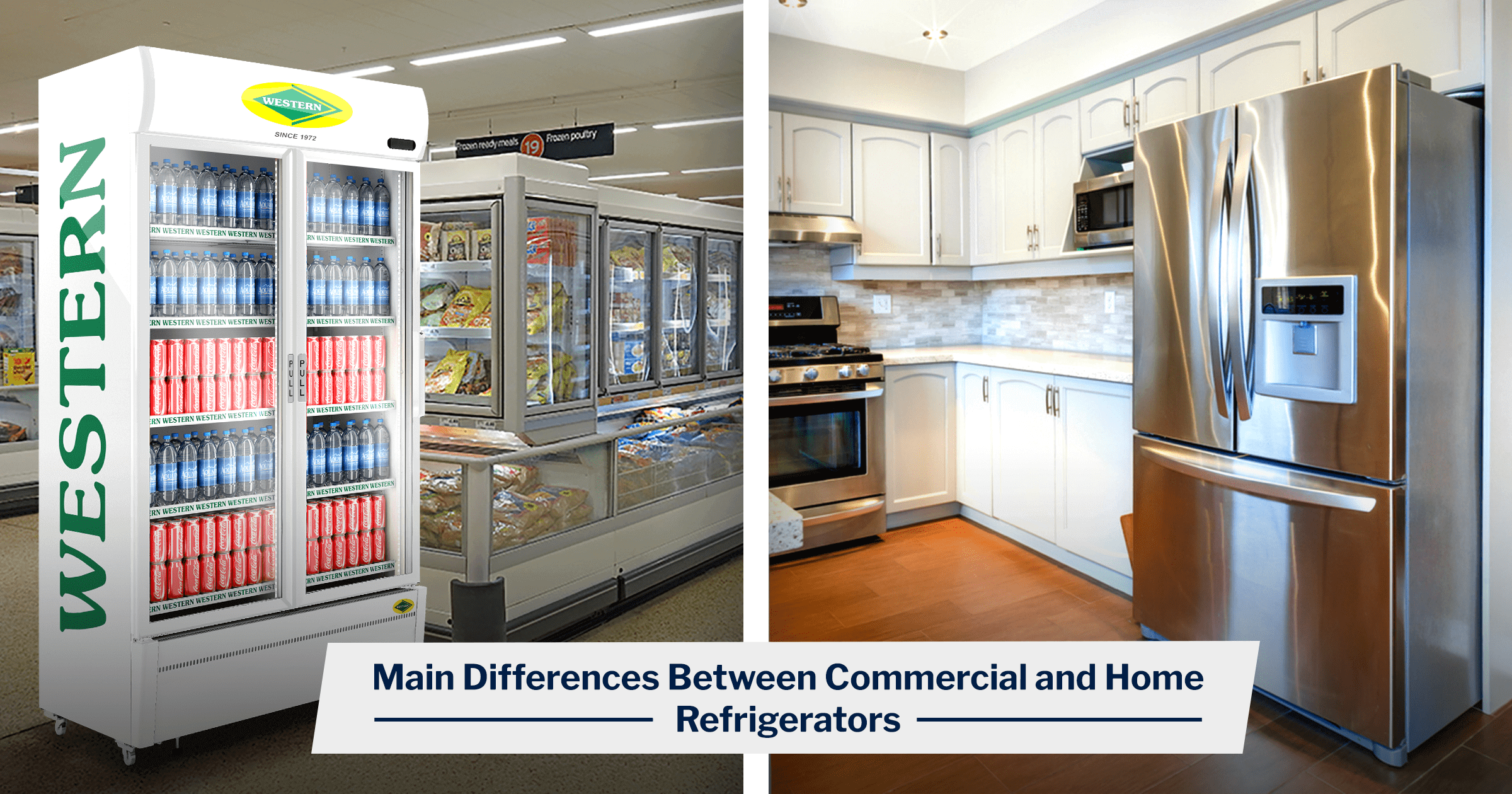
1. Duty Cycle and Heavy-Duty Workload
The most fundamental operational difference lies in how hard and how often the cooling system works.
- Residential Units: Designed for home kitchens, standard household refrigerators operate on intermittent duty cycles. They open only a few dozen times a day, allowing the compressor to rest frequently between cooling phases.
- Commercial Units: Commercial reach-in coolers, deli display cases, and under-counter chillers are built for 24/7 continuous operation. In busy restaurant kitchens or retail environments, doors are opened hundreds of times an hour, exposing the interior to hot, humid ambient air constantly. Consequently, commercial compressors and fan motors are built with oversized, heavy-duty components capable of enduring extreme thermal stress.
2. Refrigeration System Architecture and Access
The physical layout and component configuration of residential and commercial units dictate how technicians diagnose and fix mechanical failures.
- Residential Units: Modern home fridges usually house their condenser coils and sealed system components in compact rear or bottom compartments. They are engineered for quiet operation and seamless integration into residential cabinetry.
- Commercial Units: Commercial refrigeration systems often feature top-mounted or remote condenser units designed for rapid heat dissipation away from kitchen cooking zones. Because they utilize larger refrigerant charges, high-pressure valves, and accessible service ports, troubleshooting requires specialized manifold gauges and recovery equipment. Furthermore, commercial units frequently rely on powerful forced-air evaporator fan systems to maintain uniform sub-zero or chilled temperatures across massive storage volumes.
3. Regulatory Standards and Defrost Mechanisms
Commercial establishments must adhere to strict local municipal health and safety regulations regarding food storage temperatures.
- Residential Defrost Cycles: Home freezers usually run an automated defrost cycle once or twice a day using a modest internal heating element.
- Commercial Defrost Cycles: Commercial kitchen units must defrost rapidly and frequently—often multiple times a day—using heavy-duty electric heaters or hot-gas defrost systems. This ensures ice never accumulates on the evaporator coils during heavy loading, preventing temperature spikes that could compromise perishable meats, dairy, and produce.
Why Commercial Refrigeration Requires Specialized Repair
Attempting to repair a commercial chiller using standard residential appliance repair methods is a recipe for disaster. Commercial equipment involves high-voltage electrical circuits, heavy-duty three-phase compressors, and complex electronic controllers that require specialized diagnostic skills.
When a commercial cooler fails, you need a technical partner who can respond quickly, minimize business downtime, and source heavy-duty replacement parts immediately.
At Al Karama Technical Services, located in Sheikh Hamdan Colony – Dubai – United Arab Emirates, our expert team provides fast, affordable, and certified Home Appliance Repair solutions, alongside specialized commercial cooling maintenance. To explore our full range of property support, check our services. If your home or business property requires urgent assistance, contact us today at +971 56 406 2749 or email admin@alkaramatechnical.com for dependable support across Dubai.
Frequently Asked Questions
Why does a commercial refrigerator run constantly compared to a home fridge? Commercial refrigerators are built for heavy-duty commercial environments where frequent door openings and high ambient kitchen heat require the compressor to run almost continuously to maintain safe food storage temperatures.
Can a residential technician repair a commercial display chiller? Not usually. Commercial units use specialized refrigerants, high-capacity compressors, and three-phase electrical systems that require specialized commercial HVAC/R training and tools.
How often should commercial refrigeration coils be cleaned? Due to airborne grease, dust, and flour present in commercial kitchens, condenser coils on commercial refrigerators should be cleaned and degreased every 1 to 3 months.
What are the signs that a commercial compressor is failing? Signs include repetitive clicking sounds, tripping electrical breakers, warm interior temperatures despite running fans, and a hot compressor dome.
How quickly should commercial refrigeration failures be addressed? Immediately. A failing commercial cooling system can lose safe storage temperatures within hours, risking thousands of dirhams in food spoilage.
Leave a Reply