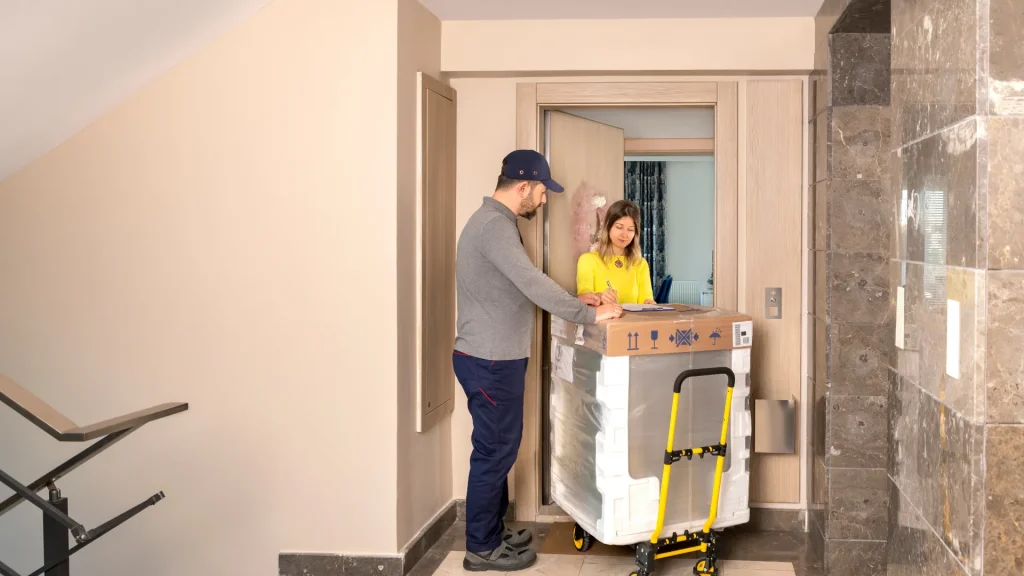
Category: Appliance repair

  • Freezer Repair in Dubai: Common Faults and Fixes Guide

    By the Al Karama Technical team · Updated November 2026 · 9 min read

    The short answer

    A freezer should hold 0°F, which is -18°C. If yours is warmer, icing up, running nonstop or not running at all, the usual causes are dusty condenser coils, a failed fan, a defrost fault, a worn door seal, a gas leak, or a freezer standing somewhere too hot for its climate class. Check the temperature with an appliance thermometer, clean the coils and test the door seal first. Most freezer faults can be repaired in one visit.

    When a freezer stops working properly in Dubai, it’s rarely just an inconvenience. There’s food at stake, and in a hot kitchen, garage or store room, temperatures rise fast. This guide explains how to tell what’s wrong, what you can check safely, how to protect your food, and when freezer repair in Dubai makes more sense than buying a new one.

    If your freezer is already warm and you need help now, our freezer repair Dubai team repairs chest freezers, upright freezers and fridge freezers of all major brands.

    At a glance

    • Right temperature: -18°C (0°F) for the freezer and 4°C or below for the fridge.
    • First checks: the thermometer reading, the settings, the coils, the door seal and the gap around the freezer.
    • Food at risk: keep the door closed. A full freezer holds its temperature for about 48 hours if left shut.
    • Hot rooms: garages and store rooms need a freezer rated for climate class T, which covers rooms up to 43°C.
    • Repair or replace: seals, fans, defrost parts and relays are usually worth repairing.

    Which type of freezer do you have?

    Knowing your freezer type helps you understand its faults, because each one defrosts and moves cold air differently.

    Freezer typeHow it defrostsFaults we see most
    Chest freezerManual defrost, ice builds up slowlyThick ice, lid seal wear, thermostat and relay faults
    Upright freezer, manual defrostManual defrost on cold shelvesIce build-up, door seal wear, warm top shelves
    Upright freezer, frost freeAutomatic defrost with a heater and fanDefrost faults, fan failure, ice on the back panel
    Fridge freezerUsually frost free, shared coolingFridge warm while freezer works, fan and defrost faults
    Commercial freezerVaries, often heavy duty defrostCoil dirt, door wear, high running hours

    For shop, restaurant and walk-in freezers, our chiller repair Dubai team handles commercial refrigeration.

    What temperature should a freezer be?

    A home freezer should be at 0°F, which is -18°C. The US Food and Drug Administration explains that freezing doesn’t kill most bacteria, but it does stop them growing, which is why a steady -18°C keeps frozen food safe.

    The number on the dial or display isn’t always the real temperature inside. An inexpensive appliance thermometer is the best way to check. Place it between frozen packs in the middle of the freezer and read it after 5 to 8 hours, ideally first thing in the morning before the door has been opened.
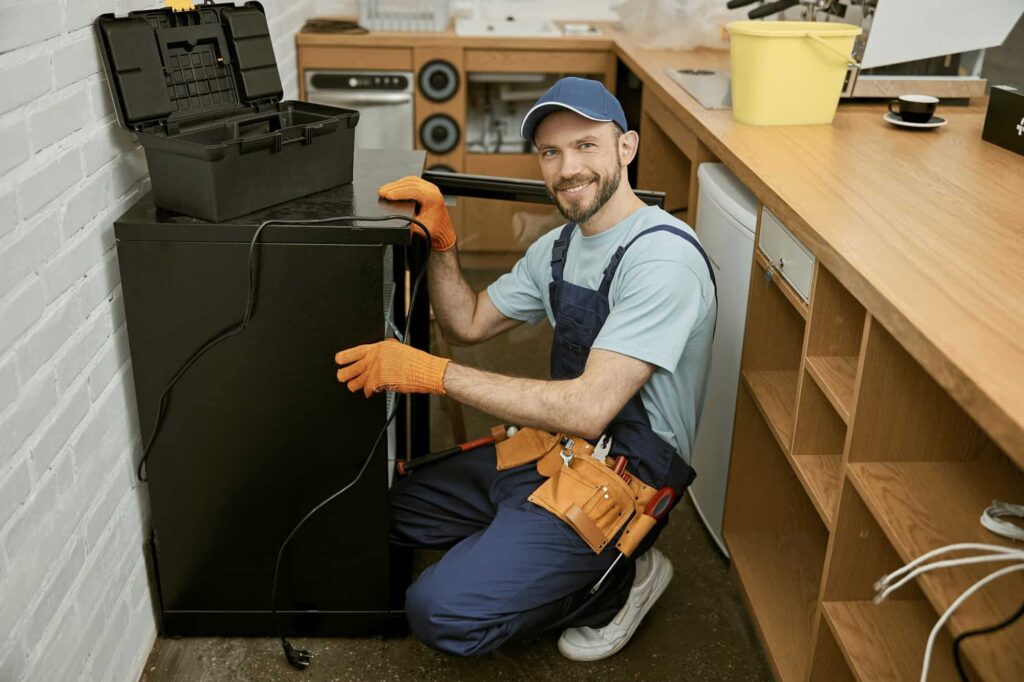
    What are the most common freezer problems?

    Most freezer complaints fall into a few groups: not cold enough, too much ice, running all the time, or not running at all. Each symptom points to a short list of causes.

    What you noticeLikely causeWhat to check
    Freezer not cold enoughDusty condenser, failed fan, worn seal, low gasThermometer reading, coils, seal
    Ice on the back wall or ventsDefrost heater, sensor or timer faultDefrost system test by a technician
    Runs nonstopDirty coils, hot room, worn seal, low gasCoils, room temperature, seal
    Silent, but the light worksStart relay, overload, thermostat, board or compressorListen for clicking every few minutes
    Clicking without startingStart relay or overload protectorTechnician test
    Loud buzzing or rattlingFan blade touching ice, worn fan motor, loose panelLook for ice around the fan
    Water under the freezerBlocked defrost drain or a tray problemDrain hole at the back of the cabinet
    Door won’t close or pops openWorn gasket, sagging hinge, not levelPaper test on the seal
    Ice maker not workingWater valve, line or ice maker moduleWater supply and filter

    Why do freezers struggle in Dubai?

    The biggest Dubai-specific problem is heat around the freezer, not inside it. A freezer works by pushing heat out into the room, and the hotter the room, the harder that gets.

    Climate class matters

    Every fridge and freezer has a climate class on its rating plate, which shows the room temperatures it’s designed for:

    • SN: rooms from 10°C to 32°C
    • N: rooms from 16°C to 32°C
    • ST: rooms from 16°C to 38°C
    • T: rooms from 16°C to 43°C

    A spare freezer in a villa garage, a store room, a maid’s room without AC or a covered balcony can easily go past 38°C in summer. A freezer rated SN or N in a space like that will run constantly and still struggle to stay cold. Check the rating plate, usually inside the cabinet or on the back, before deciding where a freezer goes.

    Dust, sand and tight spaces

    Condenser coils, at the back or underneath, need clear air around them. Fine dust and sand settle on the coils quickly, and freezers pushed tight against a wall or boxed into cabinets can’t release heat. Both make the compressor work longer and wear faster.

    Busy periods and full freezers

    During Ramadan, Eid and big family gatherings, freezers are packed and opened often. A crowded freezer with blocked vents cools unevenly, and frequent openings let in humid air that turns into ice. Leave space around the vents and close the door quickly.

    What can you check before calling a technician?

    These simple checks are safe and often find the problem. Unplug the freezer before cleaning anything near the coils or the back.

    1. Measure the temperature with an appliance thermometer, as described above.
    2. Check the settings. Make sure it isn’t in holiday, eco, display or demo mode, and that the dial hasn’t been knocked.
    3. Clean the condenser coils with a soft brush or vacuum, then leave at least the gap the manual asks for around the freezer.
    4. Test the door seal. Close the door on a sheet of paper. If it slides out easily, the seal isn’t gripping there.
    5. Clear the vents inside so cold air can move around the food.
    6. Listen. A frost-free freezer should have a fan running inside when the compressor is on. Silence with a warm freezer points to a fan or compressor problem.
    7. Defrost a manual freezer when the ice is about half a centimetre thick, following the manual.

    Never chip ice with a knife or screwdriver. The cooling plates and tubes are thin, and one puncture causes a gas leak that’s far more expensive to fix. Let the ice melt naturally, with the door open and towels on the floor.

    What should you do with the food if your freezer stops?

    Keep the door closed first. The FDA notes that a full freezer keeps an adequate temperature for about 48 hours if the door stays shut. A half-full freezer holds for less time.

    • Don’t keep checking. Every opening lets cold air out.
    • Move food if the repair will take time. Use a neighbour’s freezer or cool boxes packed with ice.
    • Check before refreezing. As a general food safety rule, food that still has ice crystals, or has stayed at 4°C or below, can usually be refrozen, though the texture may suffer.
    • If in doubt, throw it out. Meat, fish and dairy that have been warm for hours aren’t worth the risk.

    What does a technician check during a freezer repair?

    A proper freezer repair in Dubai starts with a full diagnosis that follows the cold air from start to finish:

    1. Temperatures and settings, to confirm the fault.
    2. The condenser and its fan, to make sure heat is leaving the cabinet.
    3. The evaporator fan and coil, looking for ice that blocks airflow.
    4. The defrost system, testing the heater, the sensor and the timer or control board.
    5. The start relay and compressor, measuring how the compressor starts and runs.
    6. Door seals and hinges, for leaks of warm air.
    7. Gas pressure, and a leak search if the gas is low.

    You hear the cause and a fixed price before any work starts. After the repair, the freezer is left running and checked again once it has had time to cool down.

    Should you repair or replace your freezer?

    Most freezer faults are worth repairing. A common rule of thumb is to consider replacing only when the repair costs more than about half the price of a comparable new freezer, or when the cabinet itself is failing.

    FaultUsual decisionWhy
    Door sealRepairLow cost and quick to replace
    Fan motorRepairCommon part on most brands
    Defrost heater, sensor or timerRepairCommon and affordable
    Start relay or overloadRepairSmall, low cost part
    Thermostat or control boardUsually repairDepends on parts availability
    Gas leakDependsEasy if the leak is at a joint, costly if it’s inside the cabinet walls
    CompressorDependsWorth it on newer or premium freezers
    Rusted cabinet or wet insulationReplaceCan’t be repaired properly

    How can you keep your freezer working longer?

    • Keep it at -18°C and check with a thermometer every few months.
    • Clean the coils at least twice a year, more often if the freezer is in a dusty room.
    • Test the door seal every few months with the paper test.
    • Keep it well stocked but not crammed, with the vents clear.
    • Put it in a cool spot, away from ovens, direct sun and hot walls.
    • Follow a yearly checklist. Our yearly fridge maintenance checklist covers freezers too.

    Freezer repair near me: which brands and areas do we cover?

    We’re based in Al Karama and repair freezers all over Dubai, usually the same day when you book early. These pages cover common brands and local areas:

    Need other appliances checked on the same visit? See our home appliances repair Dubai service.

    Freezer warm or iced up?

    We repair chest, upright and fridge freezers of all major brands across Dubai, with a fixed price before any work starts. Book a freezer repair near me or call or WhatsApp us now.

    Frequently asked questions

    -18°C, which is 0°F. Use an appliance thermometer to check, because the setting on the dial isn’t always the real temperature.

    In separate units, check the coils, seal and settings first. In a fridge freezer, a fan or defrost fault can affect the two sections differently, so a technician should test both.

    In a frost-free freezer, ice on the back panel usually means the defrost heater, sensor or timer has failed. In a manual freezer, it means it’s time to defrost.

    Common causes are dusty condenser coils, a hot room, a worn door seal or low gas. Clean the coils and check the seal first.

    Only if it’s rated for the heat. Look for climate class T on the rating plate, which covers rooms up to 43°C.

    A full freezer keeps an adequate temperature for about 48 hours if the door stays closed. A half-full freezer holds for less time.

    Usually, yes, if the fault is a seal, fan, defrost part or relay. If the compressor has failed on an old freezer, compare the cost with a new one.

    Yes. We cover all of Dubai from our base in Al Karama, with same-day visits in most areas when you book early.

    Book a freezer repair in Dubai

    Chest, upright and fridge freezers repaired across Dubai, with a fixed price before any work starts.
  • Mastering Oven Repair: Comprehensive Diagnostics and Troubleshooting for Kitchens in Al Karama, Dubai

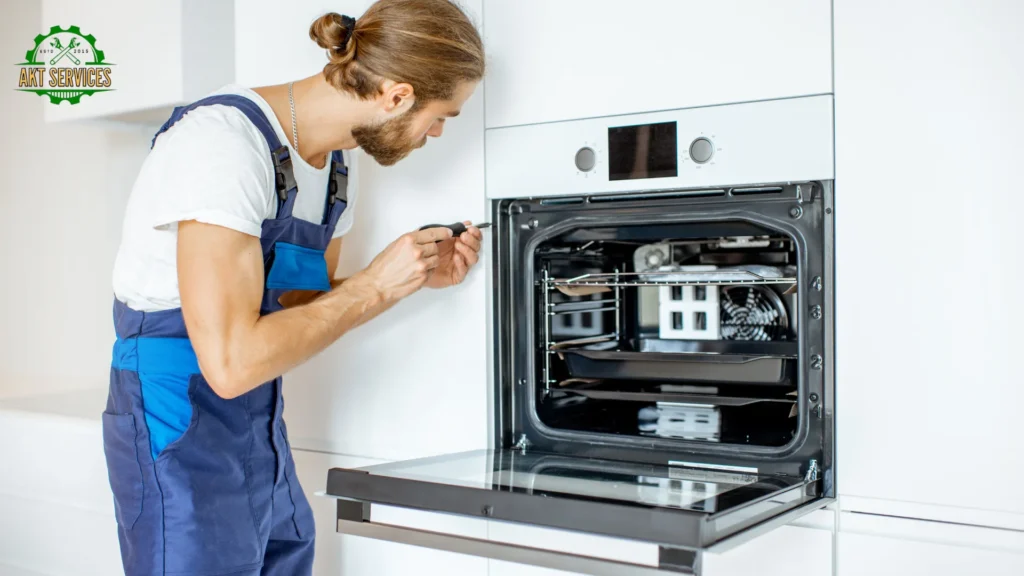
    In the heart of bustling residential and commercial districts like Al Karama, Dubai, the kitchen is the undisputed hub of daily activity. Whether you are running a busy bakery in Sheikh Hamdan Colony, managing a commercial restaurant kitchen, or preparing family meals at home, a reliable oven is essential. From roasting meats to baking delicate pastries, your oven handles heavy daily workloads and high thermal stress.

    When an oven suddenly stops heating, bakes unevenly, or refuses to turn on entirely, your meal preparation comes to an abrupt halt. Dealing with a malfunctioning cooking appliance requires more than guesswork—it demands systematic electrical diagnostics, precise temperature calibration, and expert technical intervention.

    At Al Karama Technical Services, located right in Sheikh Hamdan Colony, Dubai, our certified technicians specialize in fast, affordable, and professional oven and range repairs. This in-depth guide explores advanced troubleshooting techniques, common mechanical and electrical failure points, and professional repair strategies designed to restore your cooking equipment to peak performance.

    oven-repair-dubai.webp

    The Anatomy of Modern Kitchen Ovens: Electric vs. Gas

    To effectively diagnose and repair an oven, it helps to understand its underlying architecture. While both electric and gas ovens achieve the same culinary results, their internal heating and control mechanisms differ significantly:

    1. Electric Ovens

    Electric ovens rely on heavy-duty resistive heating elements located at the top (broil element) and bottom (bake element) of the cavity.

    • The Power Source: High-voltage alternating current (220V–240V in the UAE) flows directly through the element coils when the electronic control board or mechanical thermostat closes the circuit.
    • Thermal Regulation: NTC thermistors or capillary thermostats monitor internal temperatures, cycling power to the elements on and off to maintain steady baking heat.

    2. Gas Ovens

    Gas ovens use natural gas or LPG burners ignited by an electronic spark igniter or a glowing hot surface igniter.

    • The Power Source: A safety valve opens gas flow once the igniter reaches a high enough temperature to safely draw electrical current and ignite the burner flame.
    • Thermal Regulation: Cycling safety valves regulate gas flow to maintain precise baking temperatures inside the insulated cavity.

    Common Oven Failures in Dubai’s Kitchens

    Operating cooking appliances in regional residential and commercial kitchens exposes electrical wiring, switches, and heating components to continuous thermal cycling, grease accumulation, and heavy usage. Recognizing early warning signs prevents unexpected kitchen disruptions:

    1. Oven Fails to Heat Up (Dead Elements or Igniters)

    If your oven indicator light turns on and the timer counts down, but the interior remains completely cold, you are experiencing a heating failure.

    • Electric Oven Cause: A burned-out bake or broil element. Visible cracks, blistering, or bubbling along the metal tubing indicate an internal break in the electrical resistance circuit.
    • Gas Oven Cause: A weak hot surface igniter. If the igniter glows orange but fails to draw enough amperage to open the safety gas valve, gas will not release and the burner will not ignite.

    2. Uneven Baking and Hot Spots

    If cakes rise lopsided or meats bake faster on one side than the other, your oven is suffering from temperature distribution issues.

    • The Cause: A failing convection fan motor, warped oven door gaskets allowing heat to escape, or a calibration drift in the electronic temperature sensor probe.

    3. Electrical Tripping and Short Circuits

    Does your kitchen circuit breaker flip the moment you turn on the oven bake cycle?

    • The Cause: An internal heating element has short-circuited to the metal frame, or moisture and grease accumulation inside the electronic control board is causing a ground fault.

    Step-by-Step Professional Oven Repair Protocol

    When basic troubleshooting fails and component replacement is necessary, professional technicians follow a rigorous repair protocol to ensure safety and precision:

    1.Isolate Power and Perform Safety Checks:10 min.

    Turn off the dedicated kitchen circuit breaker and unplug the appliance. Verify zero electrical potential across internal wiring terminals using a calibrated digital multimeter.

    • Verification: Control panel indicators and internal lights are completely unpowered.

    2.Continuity and Resistance Testing:20 min.

    Disconnect wire leads from bake and broil elements. Set your multimeter to ohms (Ω\OmegaΩ) and test element resistance. A healthy element should show a low resistance value, while an “OL” reading indicates a burned-out break.

    • Verification: Multimeter measurements pinpoint faulty electrical heating components.

    3.Component Replacement and Wiring Inspection:30 min.

    Remove mounting screws securing the failed element, safety thermostat, or gas igniter. Inspect wire terminals for heat discoloration or corrosion, and install authentic manufacturer-approved replacement parts.

    • Verification: Replacement parts are securely mounted with clean, tight electrical connections.

    4.Thermal Calibration and Burn-In Testing:15 min.

    Power the oven back on, run a high-temperature calibration cycle, and verify interior cavity temperature using a calibrated thermocouple thermometer to ensure accurate baking performance.

    • Verification: Oven reaches and maintains target temperatures accurately across all settings.

    Preventative Maintenance to Extend Your Oven’s Lifespan

    Taking a proactive approach to kitchen appliance care drastically reduces emergency breakdown risks:

    • Wipe Spills Promptly: Clean up sugary spills and grease splatters inside the oven cavity after it cools down to prevent carbonization and element corrosion.
    • Inspect Door Gaskets Regularly: Check the fiberglass or rubber door seal around the oven opening for tears or gaps that let heat escape.
    • Avoid Harsh Abrasive Cleaners: Use non-abrasive cleaning pastes or specialized oven cleaners, avoiding harsh scouring pads that scratch porcelain enamel surfaces or damage wire sensors.

    Professional Support with Al Karama Technical Services

    While routine cavity cleaning and rack maintenance can easily be managed at home, complex electrical repairs—such as electronic control board replacements, internal wiring harness repairs, and gas safety valve servicing—require certified professional expertise.

    When your residential range or commercial oven requires expert intervention, Al Karama Technical Services, located in Sheikh Hamdan Colony – Dubai – United Arab Emirates, provides fast, affordable, and professional appliance repairs across Dubai.

    To review our full range of property support, explore our services. If your kitchen appliance requires prompt assistance, contact us today at +971 56 406 2749 or email [email protected] for reliable support throughout Al Karama and surrounding areas.

    Frequently Asked Questions

    How quickly can technicians arrive for an oven repair in Al Karama? We strive to provide rapid same-day or next-day appointments for all urgent appliance repair requests across Al Karama and surrounding Dubai districts.

    Can I use self-cleaning mode frequently on my electric oven? Running high-heat self-cleaning cycles (over 450°C) places extreme thermal stress on electronic control boards and thermal fuses. It is best used sparingly—once or twice a year.

    Why does my gas oven smell like gas when I turn it on? A faint gas odor during initial ignition can be normal, but a persistent smell indicates a delayed ignition caused by a weak igniter, a loose gas line connection, or a failing safety valve requiring immediate professional attention.

    Is it worth repairing an older oven or should I replace it? If your oven is less than 10 years old and the repair cost is significantly lower than purchasing a new range, professional component replacement is almost always the most cost-effective choice.

    What brands of ovens do your technicians service? Our certified technicians service all major residential and commercial oven, stove, and range brands, including Bosch, Siemens, Samsung, LG, Whirlpool, Zanussi, and Ariston.

  • 5 Safety Tips for Home Appliances: Protecting Your Dubai Home

    Modern home appliances—from powerful air conditioning units and high-speed washing machines to multi-door refrigerators and kitchen ovens—transform daily life, offering unmatched comfort and convenience. However, when large appliances handle high electrical loads, heavy water volumes, and intense thermal cycles, overlooking basic safety protocols can turn modern conveniences into unexpected hazards.

    In bustling urban environments like the UAE, where equipment works overtime under extreme climatic conditions, practicing proactive appliance safety is essential. At Al Karama Technical Services, located in Sheikh Hamdan Colony, Dubai, our certified technicians frequently respond to preventable electrical faults and appliance breakdowns.

    To help you safeguard your family, protect your property, and extend the lifespan of your household equipment, we have compiled five critical safety tips for home appliances.

    1. Never Overload Electrical Sockets and Extension Cords

    One of the most common causes of residential electrical fires and tripped circuit breakers is power strip overloading. Major household appliances—such as washing machines, refrigerators, and portable air conditioners—draw substantial electrical current, especially during startup compressor or motor phases.

    • The Risk: Plugging multiple high-wattage appliances into a single extension cord or daisy-chaining power strips causes the internal wiring to overheat, melting insulation and creating serious arc-flash hazards.
    • The Safety Fix: Always plug heavy-duty appliances directly into a dedicated wall outlet rated for their specific voltage and amperage requirements. Avoid using cheap extension cords for permanent appliance installations.

    2. Maintain Proper Ventilation Around Heat-Producing Appliances

    Appliances that generate heat—including refrigerators, ovens, dryers, and air conditioning compressors—require unobstructed airflow to dissipate thermal energy safely.

    • The Risk: If a refrigerator’s condenser coils are choked with dust or pushed flush against a kitchen wall, the compressor cannot release heat efficiently. The motor works in overdrive, overheats, and risks burning out internal wiring windings. Similarly, clothes dryers packed with blocked lint filters are prime candidates for dangerous thermal fires.
    • The Safety Fix: Leave a minimum of two to three inches of clearance around all sides of heat-generating appliances. Clean refrigerator coils biannually and empty dryer lint traps after every single load.

    3. Keep Water Far Away from Electrical Controls and Plugs

    Water and electricity are a volatile combination. In moisture-heavy environments like kitchens, laundry rooms, and bathrooms, liquid exposure near electrical interfaces can cause severe shocks, short circuits, and permanent motherboard failure.

    • The Risk: Operating washing machines or touching microwave buttons with soaking wet hands, or allowing water to pool near refrigerator power cords, creates immediate electrocution risks.
    • The Safety Fix: Ensure all laundry and kitchen outlets feature functioning waterproof cover plates or Ground Fault Circuit Interrupters (GFCIs) where applicable. Always unplug appliances before attempting to clean around control panels or electrical housings.

    4. Inspect Power Cords and Plugs Regularly for Damage

    Daily vibrations, heavy foot traffic, and pets can take a toll on appliance power cords over time. A frayed cord is an open invitation for electrical shorts.

    • The Risk: Cracks in rubber insulation, exposed copper wires, or loose plug prongs can generate electrical sparks, shock users upon contact, or trigger sudden circuit breaker trips.
    • The Safety Fix: Routinely inspect the entire length of power cords behind your refrigerator, washing machine, and oven. If you notice exposed wires, discoloration, or melting near the plug prongs, stop using the appliance immediately and have a professional replace the cord.

    5. Know When to Call Professional Technicians

    While DIY cleaning and basic filter maintenance are great habits, attempting complex electrical or mechanical repairs without proper training is dangerous.

    • The Risk: Trying to fix a smoking control board, bypassing a safety thermal fuse, or tampering with sealed refrigerant lines can result in severe personal injury, toxic gas leaks, or total appliance destruction.
    • The Safety Fix: When your equipment exhibits persistent electrical faults, burning odors, or unresolving error codes, rely on certified professionals.

    Professional Support with Al Karama Technical Services

    When home appliances require expert intervention, having a trusted local service partner makes all the difference. At Al Karama Technical Services, located in Sheikh Hamdan Colony – Dubai – United Arab Emirates, our expert team provides fast, affordable, and certified Home Appliance Repair Dubai services for ACs, washing machines, refrigerators, and more.

    To review our full range of technical solutions, explore our services. If your property requires prompt assistance, contact us today at +971 56 406 2749 or email [email protected] for reliable support across Dubai.

    Frequently Asked Questions

    What should I do if my appliance smells like burning plastic? Unplug the appliance immediately from the wall socket. A burning odor indicates an electrical short, overheated motor, or melting insulation that requires professional inspection before reuse.

    Can I plug a refrigerator into an extension cord temporarily? It is strongly discouraged. Refrigerators draw high startup surges that can overheat standard household extension cords, posing a significant fire hazard.

    How often should I have my home appliances professionally serviced? Major appliances—especially air conditioners and heavy-use washing machines—should undergo professional inspection and tune-ups at least once or twice a year.

    Are GFCIs necessary for kitchen and laundry appliances? Yes, Ground Fault Circuit Interrupters are vital in moisture-prone areas because they instantly cut off electrical power if a ground fault or water short is detected, preventing severe shocks.

    When is an appliance past the point of safe repair? If the cost of repairing aging mechanical parts exceeds 50% of the replacement cost, or if the unit suffers from recurring structural electrical shorts, replacement is safer.

  • Frequently Asked Questions About Our Appliance Repair Services in Dubai

    When a major home appliance breaks down, finding a reliable, transparent, and skilled service provider is essential. At Al Karama Technical LLC, we receive numerous inquiries from homeowners and property managers across Dubai looking for clarity on our service offerings, warranties, repair timelines, and operational coverage.

    To help you make informed decisions, we have compiled the answers to the most common questions our customers ask before booking our professional technical services.

    Service Concerns & Capabilities

    What services does Al Karama Technical LLC offer?

    We specialize in comprehensive residential and commercial technical services across Dubai. Our core expertise covers professional AC repair, routine AC maintenance, and complete home appliance repair for kitchen and laundry systems, including refrigerators, washing machines, and dishwashers.

    Do you provide same-day appliance repair?

    Yes, we understand that an unexpected appliance breakdown disrupts your daily routine. We strive to accommodate urgent service requests with prompt doorstep dispatch, bringing fully equipped service vehicles to diagnose and resolve issues on the first visit wherever possible.

    Are your technicians certified and experienced?

    All field technicians employed by Al Karama Technical LLC are fully trained, certified professionals with extensive hands-on experience handling modern, high-efficiency cooling and electrical systems.

    Which brands do you repair?

    We repair all major household and commercial brands, including LG, Samsung, Bosch, Whirlpool, Panasonic, Hitachi, Sharp, Siemens, and more.

    Booking, Pricing, and Warranties

    Do you provide a warranty on repairs?

    Yes, we stand by the quality of our workmanship and parts. All repair services and installed replacement components come with a solid service warranty to give you complete peace of mind.

    Do you offer emergency repair services?

    Yes, our team is equipped to handle urgent cooling and appliance emergencies across Dubai, ensuring you are never left stranded during extreme weather or sudden equipment failures.

    How much do your repair services cost?

    Repair costs vary depending on the specific appliance type, the complexity of the fault, and any required replacement parts. We always provide a transparent, fixed-price quotation for your approval before starting any physical work.

    Can you repair appliances at my home?

    Yes, the vast majority of our diagnostics and repairs—including refrigerator servicing, washing machine overhauls, and AC maintenance—are performed directly at your residence for your maximum convenience.

    How long does a typical repair take?

    Repair time varies by appliance and issue, but most standard diagnostics and repairs are completed within one to two hours once our technician arrives on-site and assesses the fault.

    Need Expert Assistance?

    If you are facing an unexpected appliance breakdown or need routine maintenance, we are here to help. Contact us at Al Karama Technical LLC today to schedule prompt, professional service across Dubai.

  • Home Appliance Repair Dubai: A Practical Guide for Homeowners

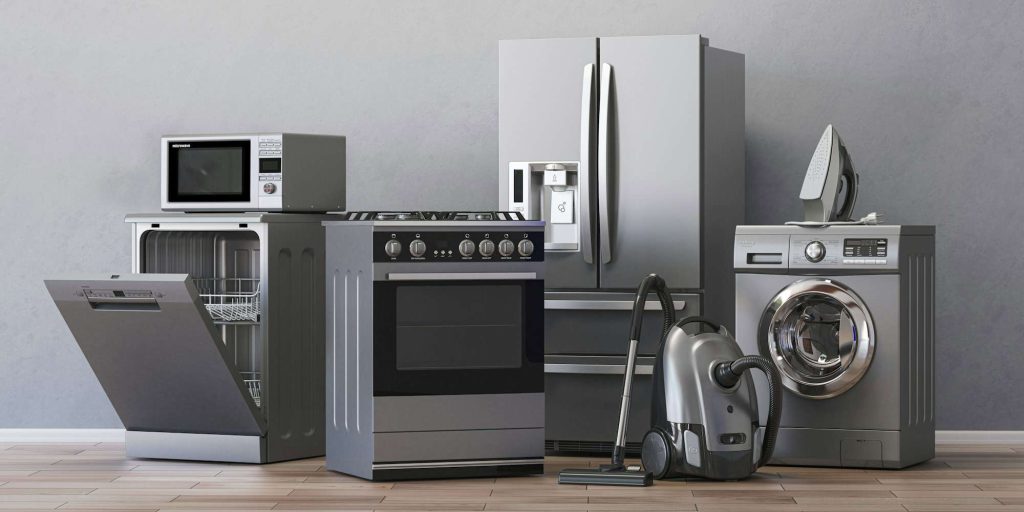
    Home appliances are an essential part of everyday life in Dubai. From air conditioners and refrigerators to washing machines, dishwashers, stoves and dryers, these appliances are used regularly. When an appliance stops working or starts showing signs of a fault, getting professional help early can prevent the problem from becoming more complicated.

    Washing Machine Repair In Al Quoz

    Al Karama Technical LLC provides professional home appliance repair in Dubai, helping homeowners and tenants diagnose and repair a wide range of household appliances. A professional technician can identify the cause of a fault and recommend the most practical repair solution.

    What Does Home Appliance Repair in Dubai Include?

    Home appliance repair covers the inspection, diagnosis, maintenance and repair of household appliances that are not working correctly. The exact repair depends on the appliance and the type of fault.

    For example, an air conditioner may stop cooling properly, while a refrigerator may struggle to maintain the correct temperature. A washing machine might fail to drain or spin, while a dishwasher may leave water inside after completing a cycle.

    For cooling problems, professional AC repair in Dubai can help identify issues involving airflow, electrical components, drainage, refrigerant-related problems and other system faults.

    Professional diagnosis is important because similar symptoms can have different causes. Inspecting the appliance first helps avoid unnecessary replacement of working components.

    Common Appliance Problems in Dubai Homes

    Home appliances can develop faults because of regular use, component wear, electrical problems, blocked parts or inadequate maintenance. Dubai’s hot climate can also place additional demands on appliances, particularly air-conditioning systems that operate for long periods.

    Refrigerators are another essential appliance. Poor cooling, excessive frost, unusual sounds and water leakage are signs that the appliance may require professional attention.

    If your refrigerator is not maintaining the correct temperature, fridge repair in Dubai can help diagnose the underlying problem and determine whether a component needs repair or replacement.

    Dishwashers can also develop problems such as drainage failures, poor cleaning performance, leaks, heating problems and error codes. These issues may involve pumps, sensors, heating elements, control boards or drainage systems.

    For these situations, dishwasher repair services can provide professional inspection and repair for common dishwasher faults.

    When Should You Call an Appliance Technician?

    Not every appliance problem means the appliance needs to be replaced. In many cases, a particular component or system may simply require repair.

    You should consider contacting a professional technician when an appliance:

    • Stops working completely
    • Makes unusual noises
    • Fails to perform its normal function
    • Displays an error code
    • Leaks water
    • Does not cool or heat correctly
    • Fails to drain or spin
    • Repeatedly switches off

    Washing machines, for example, can develop drainage, spinning, vibration and starting problems. Modern washing machines also contain electronic controls and safety systems that can require specialist diagnosis.

    Al Karama Technical LLC provides washing machine repair in Dubai for different types of washing machine faults and brands.

    Why Regular Appliance Maintenance Matters

    Regular appliance maintenance can help identify developing problems before they become major breakdowns. Maintenance requirements vary by appliance and manufacturer, so homeowners should follow the recommended care instructions for their specific model.

    Air conditioners are particularly important in Dubai because they may operate for extended periods during hot weather. Keeping filters and relevant components clean and ensuring proper airflow can support normal operation.

    Homeowners should also avoid overloading washing machines and dryers, keep refrigerator ventilation areas clear and follow the manufacturer’s cleaning and maintenance recommendations.

    If an appliance begins behaving differently, early inspection can sometimes prevent a minor problem from becoming a more expensive repair.

    Appliance Repair or Replacement: Which Is Better?

    One of the most common questions homeowners have is whether they should repair an appliance or replace it.

    The answer depends on several factors, including the appliance’s age, the type of fault, replacement-part availability, overall condition and expected repair cost.

    A relatively new appliance with a minor component failure may be worth repairing. An older appliance with repeated major problems may eventually become less economical to maintain.

    A professional technician can inspect the appliance and explain the problem, allowing the homeowner to make a more informed decision.

    Professional Stove and Cooking Appliance Repair

    Cooking appliances are another important part of a Dubai home. Ovens and stoves are used frequently, and faults can quickly affect everyday routines.

    Problems such as burner failure, ignition issues, uneven heating and other operational faults should be professionally assessed, especially when gas or electrical components are involved.

    For homeowners experiencing stove problems, gas stove repair in Dubai provides a relevant option for professional diagnosis and repair.

    The same principle applies to other kitchen appliances: if an appliance develops an unusual smell, repeated electrical fault, leak or serious performance problem, professional inspection is preferable to continuing to operate it without understanding the cause.

    Why Choose Al Karama Technical LLC?

    Choosing a home appliance repair company in Dubai means looking beyond simply finding the nearest technician. Experience, accurate diagnosis, communication and knowledge of different appliance types all matter.

    Al Karama Technical LLC provides appliance repair services for a range of household equipment in Dubai. Its service coverage includes refrigerators, washing machines, dishwashers, stoves, dryers and air-conditioning systems. The company’s website also highlights same-day appliance repair services and professional technicians.

    Having access to multiple appliance repair services can make the process more convenient when more than one household appliance requires attention.

    For example, if your laundry equipment is not drying clothes correctly, dryer repair in Dubai can be considered as part of your appliance repair requirements.

    Professional diagnosis also helps homeowners understand whether a fault is repairable, whether a component needs replacement or whether replacing the appliance may be more practical.

    Frequently Asked Questions

    What is home appliance repair in Dubai?

    Home appliance repair in Dubai involves professionally diagnosing and repairing household appliances that are not working correctly. Services can include refrigerators, washing machines, dishwashers, stoves, dryers and AC systems.

    When should I call an appliance repair technician?

    You should contact a technician when an appliance stops working, repeatedly develops faults, produces unusual sounds, leaks, displays an error or fails to perform its normal function.

    Is it better to repair or replace an appliance?

    It depends on the appliance’s age, condition, fault, parts availability and expected repair cost. A professional diagnosis can help you make a more informed decision.

    Can one company repair different home appliances?

    Yes. A professional appliance repair company may handle multiple appliance categories, allowing homeowners to arrange different repairs through one service provider.

    How can I reduce appliance breakdowns?

    Following manufacturer maintenance instructions, keeping appliances clean, avoiding overloading and addressing early warning signs can help maintain normal appliance performance.

    Final Thoughts

    Reliable home appliance repair in Dubai can help homeowners keep essential household equipment operating properly. Whether the problem involves an AC system, refrigerator, washing machine, dishwasher, stove or dryer, professional diagnosis is a useful first step.

    Instead of immediately replacing an appliance, homeowners can have the problem inspected to understand the cause and available repair options.

    Al Karama Technical LLC provides home appliance repair services across Dubai, helping customers address common appliance problems with professional technical support.

Call Now