Author: admin

  • Washing Machine Not Draining or Spinning? Causes and Fixes for Dubai Homes

    By the Al Karama Technical team · Updated November 2026 · 9 min read

    The short answer

    A washing machine that won’t drain or spin usually has a blocked pump filter, a kinked or clogged drain hose, a blocked sink trap or standpipe, or a jammed drain pump. Siemens notes that fluff, buttons and coins can block the drain, and that the impeller in the drain pump must be able to turn. Most machines won’t spin while water is still inside, so a drain fault often looks like a spin fault. If the filter and hose are clear and the machine still won’t drain, the pump, a sensor or the control board needs a technician.

    You open the door at the end of a cycle and find soaking clothes sitting in a pool of water. Or the machine reaches the spin, hums, and never speeds up. Drain and spin faults are among the most common reasons people call for washing machine repair in Dubai, and many of them start with a part you can reach without any tools. This guide explains why it happens, how to drain the machine safely, and when the problem needs a technician.

    At a glance

    • Most common cause: a blocked pump filter behind the small flap at the bottom front.
    • Drain first, spin second: most machines won’t spin with water left in the drum.
    • Safe to check: the pump filter, the drain hose and the sink trap or standpipe.
    • Technician needed: a failed drain pump, motor, carbon brushes, belt, pressure sensor or board.

    Why is my washing machine not draining?

    Water leaves the drum through a short path: the sump at the bottom of the tub, the pump filter, the drain pump, the drain hose and finally the standpipe or sink trap. A blockage or failure anywhere along that path leaves water in the drum. These are the causes we find most often in Dubai homes:

    CauseWhat you noticeUsual fix
    Blocked pump filterWater left in the drum, a humming pumpClean the filter behind the bottom flap
    Kinked or squashed drain hoseSlow draining after the machine was movedStraighten the hose and pull the machine out a little
    Blocked sink trap or standpipeWater backs up into the sink or the drumClear the trap or the standpipe
    Object jammed in the pumpA loud buzz, then silence, no drainingRemove the object from the pump housing
    Failed drain pumpNo sound from the pump, or a hum with no flowReplace the pump
    Pressure sensor faultThe machine thinks it’s still full, or shows a drain errorTest and replace the sensor
    Control board faultA drain error with every part testing fineRepair or replace the board
    Washing Machine Repair In Dubai Dip

    Why won’t my washing machine spin?

    A spin fault and a drain fault are often the same problem. Most front-loaders check the water level before spinning, and if water is still inside, the spin won’t start. Once you’ve ruled out draining, these are the usual causes:

    • An unbalanced load. One heavy item such as a bath mat, a pair of jeans or a duvet on its own makes the machine cancel the spin to protect the drum.
    • A low-spin programme. Wool, delicate and some quick programmes spin slowly or not at all.
    • Too much detergent. Extra suds cushion the drum, and many machines reduce or skip the spin.
    • Worn carbon brushes. On brushed motors these wear down over the years, and the motor loses power.
    • A loose or broken belt. The motor runs, but the drum doesn’t turn properly.
    • A motor or speed sensor fault. The board can’t tell how fast the drum is turning, so it stops.
    • A door lock fault. The machine won’t spin unless the lock confirms the door is shut.

    How to drain a washing machine safely

    If the drum is full of water, drain it before you do anything else. Siemens’ own advice starts the same way: close the water supply, switch the machine off, unplug it and let hot water cool down first.

    1. Unplug the machine and turn off the tap behind it.
    2. Wait for the water to cool if you ran a hot wash.
    3. Lay towels down and put a shallow tray or baking dish under the small flap at the bottom front.
    4. Open the flap. Many machines have a small emergency drain hose next to the filter. Pull it out, remove its cap and let the water run into the tray, closing it each time the tray fills.
    5. No drain hose? Unscrew the filter slowly, a little at a time, and let the water flow out.
    6. Clean the filter. Once the water stops, take the filter out and clear lint, hair, coins and hair clips.
    7. Check the impeller. Shine a torch into the pump housing and make sure the impeller turns freely.
    8. Refit and test. Screw the filter back firmly, close the flap and run a rinse and spin.

    Expect more water than you think. A full drum holds several litres, so drain into a tray in stages and keep towels ready. Never open the filter while the machine is running or the water is hot.

    Check the drain hose and the standpipe

    If the filter is clean but water still won’t leave, look behind the machine. Pull it out carefully and check the drain hose for kinks, especially if the machine was pushed back after cleaning. The end of the hose should hook into a standpipe or connect to a sink trap, not be pushed deep into the pipe, because that can cause siphoning or slow draining.

    Disconnect the hose from the sink trap and check both for blockages. Siemens notes that fluff, buttons and coins can block the siphon, and kitchen sinks that share a trap with the washer collect grease and food as well. Rinse the hose through and clean the trap connection before refitting the hose with its clip.

    Why drain faults are so common in Dubai

    In Dubai flats, washing machines often sit under kitchen counters and share a drain with the kitchen sink, so grease and food scraps meet lint from the laundry. Sand comes in on beach towels and work clothes, coins and hair clips are left in pockets, and scale from hard water stiffens the pump over time. In older buildings, slow building drains can also push water back into the machine.

    Brand matters too. Front-loaders from Bosch, Siemens, LG and Samsung all have a filter at the bottom front, but its exact position and the emergency drain hose vary. Our Bosch washing machine repair Dubai team clears blocked pump filters on these models every week.

    Error codes that point to a drain or spin fault

    BrandCodes you may seeWhat they usually mean
    Siemens and BoschE:18 or F:18A drain problem, covered on Siemens’ drain help page
    LGOE and UEOE is a drain fault, UE an unbalanced load
    Samsung5E, 5C or SE, and UE or UbA drain fault, or an unbalanced load

    Codes vary between models, so check the manual for yours. A drain code that comes back after you’ve cleaned the filter and the hose usually means the pump or a sensor needs testing.

    When the drain pump is the problem

    The drain pump is a small electric motor with a plastic impeller that pushes water out of the machine. A coin, an underwire or a hair clip can jam it, and the pump then buzzes without moving any water. If the pump stays silent, its coil may have burnt out, or it isn’t getting power from the board. It helps to know the signs your washing machine drain pump is failing before it stops completely.

    A technician tests the pump’s resistance, checks the wiring and the connector, confirms the board is sending power and replaces the pump if it has failed. On most machines this is a first-visit repair, because common pumps travel in the van.
    Home appliance repair in Dubai

    Spin faults that need a technician

    PartSignWhat the technician does
    Carbon brushesWeak spin, sparking or a burning smell from the motorChecks brush length and replaces both brushes
    Drive beltThe motor runs but the drum barely movesRefits or replaces the belt
    MotorNo drum movement at allTests the windings and replaces the motor if faulty
    Speed sensorThe drum starts, then stops before the spinTests the sensor and its wiring
    Door lockNo spin, or a door lock errorTests and replaces the lock
    Drum bearingsA loud rumble or grinding on spinReplaces the bearings, which means taking the drum out

    Repair or replace?

    Drain pumps, filters, belts, brushes and door locks are usually worth repairing, even on older machines, because the parts are common and the job is quick. Bearings and control boards cost more, so on a budget machine that’s many years old it’s worth comparing the repair with the price of a new one. A good technician tells you which way they’d go and why, then leaves the choice to you.

    How to stop it happening again

    • Empty pockets before every wash, especially coins, tissues and hair clips.
    • Clean the pump filter about once a month, and more often if you wash work clothes or beach towels.
    • Use the right dose of low-suds detergent in front-loaders.
    • Use a wash bag for small items such as baby socks and underwired bras.
    • Balance heavy items by washing them with a few towels.
    • Check the drain hose after you move or clean behind the machine.

    What a technician does on a drain or spin callout

    The technician drains the machine safely if it’s full, checks the filter, the hose and the sink trap, then tests the pump, the pressure sensor, the door lock, the motor and the board until the cause is clear. You get the fault in plain words and a fixed price before any work starts. We cover the whole city, including washing machine repair in Dubai Marina towers, and most drain and spin repairs are finished on the first visit.

    Water still in the drum?

    We fix drain pumps, hoses, brushes, belts and boards on all major brands, usually the same day. Book a washing machine repair near me visit, or call or WhatsApp us now.

    Frequently asked questions

    Usually the pump filter is blocked, the drain hose is kinked or the sink trap is clogged. Clean the filter and check the hose before calling a technician.

    An unbalanced load, too much detergent or a low-spin programme are the usual causes. If those are fine, the brushes, belt, motor or speed sensor may need testing.

    Unplug it, turn off the tap, put a tray under the bottom front flap and drain through the emergency hose or by slowly unscrewing the filter.

    About once a month in most homes, and more often if you wash sandy towels, work clothes or pet bedding.

    Yes. Extra suds cushion the drum, and many machines reduce or skip the spin until the suds are gone.

    The drain pump is probably jammed by an object or has failed. Check the filter and the pump housing for coins or clips first.

    Yes, if the machine is unplugged and the water has cooled. Drain slowly into a tray and keep towels ready.

    Usually, yes. Common drain pumps are carried in the van, so most pump replacements are finished on the first visit.

    Book a washing machine repair in Dubai

    Same-day visits in most areas and a fixed price before any work starts.
  • Washing Machine Tripping the Electricity? Causes, Safe Checks and Repairs

    By the Al Karama Technical team · Updated November 2026 · 5 min read

    The short answer

    A washing machine that trips the breaker or the earth leakage switch usually has a fault in the heater element, the motor, the mains filter or the wiring, or water has leaked onto an electrical part. When it trips tells you a lot: as soon as you plug in points to wiring or the filter, during heating points to the heater, and during the spin points to the motor. Stop using it and book a technician if it trips again.

    A tripping washing machine is more than an annoyance. Your distribution board is cutting the power because it has sensed a fault, often current leaking to earth. That’s a safety device working as it should, so the cause needs finding, not ignoring. This guide explains the likely causes, what you can check safely and when to book washing machine repairs.

    At a glance

    • Earth leakage switch: trips when current leaks to earth, often from a wet or failing part.
    • Breaker: trips on overload or a short circuit.
    • Timing matters: note exactly when in the cycle it trips.
    • Safe limit: reset it once. If it trips again, stop and call a technician.

    What causes a washing machine to trip the electrics?

    Siemens’ UAE support page lists the motor, the heater and the suppressor as possible causes, along with a wire shorting out or water leaking onto an electrical part. The table below shows how the timing usually points to the fault.

    When it tripsLikely cause
    As soon as you plug in or switch onMains filter (suppressor), damaged cable or plug, wiring fault
    A few minutes into a hot washHeater element leaking to earth
    When the drum starts turning or spinsMotor, its wiring or worn carbon brushes
    When it drainsDrain pump fault
    After a leak or a floodWater on the wiring, pump or motor
    Randomly, alongside other appliancesSeveral small leakages adding up on one circuit

    Heater elements are the most common cause we find. Over time, limescale and corrosion crack the element’s outer sheath, and it starts leaking a little current to earth once it gets hot. The machine may run normally on a cold wash and trip only on hot programmes.

    Checks you can do safely

    1. Note the timing. Write down which programme was running and at what point it tripped.
    2. Check for water. Look under and behind the machine for leaks. Water near the plug or socket means stop immediately.
    3. Use a wall socket. Washing machines should be plugged straight into a wall socket, not an extension lead or adapter.
    4. Replace the plug fuse. UAE plugs contain a fuse, and Siemens advises resetting the switch and replacing the plug fuse as the first step.
    5. Test another appliance. If other appliances trip the same switch, the problem may be the circuit, not the washer.

    Don’t keep resetting it. Repeated tripping means a real fault. Never bypass the switch, and never open the machine while it’s plugged in. If you smell burning or see scorch marks on the plug or socket, switch off at the board and call for help.

    Why it often happens after a leak

    A slow leak from a hose, the door seal or the pump can drip onto the motor or wiring and trip the circuit days later. That’s one reason to watch for the warning signs your washer could flood the apartment before they become an electrical problem.

    Kitchens and laundry corners can also trip because of other appliances on the same circuit. If your dishwasher trips the power too, our dishwasher repair Dubai team can test both machines on one visit.

    What a technician does

    A technician isolates the machine and tests each part with an insulation tester: the heater, the motor, the pump, the mains filter and the wiring loom. Once the faulty part is found, you get a fixed price before any work starts. Heater elements and mains filters are common parts and are usually replaced in one visit. Our Bosch washing machine repair Dubai technicians see heater leakage often on hard-working machines.

    For more ways to keep appliances safe at home, read our 5 safety tips for home appliances.

    Keep a note of any error code too. Some machines show a heater or motor code just before the power trips, which helps the technician bring the right part on the first visit.

    We cover all of Dubai, including washing machine repair in Deira, with same-day visits in most areas.

    Washer still tripping the power?

    Our technicians test heaters, motors, pumps and wiring safely and fix the cause. Book a washing machine electrical repair in Dubai or call or WhatsApp us now.

    Frequently asked questions

    Usually the heater element is leaking current to earth once it heats up. It needs testing and replacing.

    No. Reset it once. If it trips again, stop using the machine and book a technician.

    Yes. Water reaching the plug, socket or internal parts can trip the earth leakage switch.

    It’s best not to. Plug it straight into a wall socket that suits its power rating.

    Sometimes. If other appliances trip the same switch, an electrician should check the circuit.

    Usually, yes. Heater elements, mains filters and pumps are common, affordable parts.

    In our experience, the heater element, especially on machines that run a lot of hot washes. Motors and mains filters come next.

    Book a washing machine repair in Dubai

    Safe electrical testing, same-day visits in most areas and a fixed price before any work starts.

  • Window AC Leaking Water Inside the Room? Causes and Fixes

    By the Al Karama Technical team · Updated November 2026 · 5 min read

    The short answer

    Most window ACs leak into the room because they aren’t tilted towards the outside, so condensed water runs back indoors. LG’s installation guidance says the rear should sit 10 to 15 mm lower than the front. Other causes are blocked drain channels in the base pan, a dirty filter that makes the coil freeze and then melt, low gas, and gaps that let humid outside air condense on cold parts.

    Window ACs are still everywhere in Dubai, from older buildings in Karama and Bur Dubai to villa maids’ rooms and staff accommodation. When one starts dripping onto the floor or down the wall, it can stain paint, swell wooden frames and, worst of all, reach the socket. This guide explains why it happens and when to call our window AC repair Dubai team.

    Why window ACs make water at all

    As warm room air passes over the cold cooling coil, moisture in the air condenses into water, just like on a cold glass. That water collects in the base pan and is meant to flow to the outdoor side. On many window ACs, a ring on the outdoor fan blade picks up that water and throws it onto the hot condenser coil, which helps cooling. So some water sitting in the base pan, or dripping outside, is normal. Water coming into the room is not.

    Six causes of a window AC leaking inside

    CauseSignFix
    Wrong tiltDrips from the front or bottom edge insideRe-level so the rear sits 10 to 15 mm lower
    Blocked base pan or drain channelsWater pooling, a musty smellClear sand, dust and debris from the pan
    Dirty filterIce on the coil, then drips as it meltsWash the filter every 2 weeks in summer
    Low gas from a leakIce on the coil and weak coolingFind and repair the leak, then recharge
    Gaps around the unitSweating front panel and dripsSeal the gaps with foam and trim
    Very humid nightsFront grille sweating on muggy eveningsCheck the seals and run a higher fan speed

    The tilt is the cause we fix most often. LG’s UAE support page says the rear of the unit should be tilted downward by 10 to 15 mm so condensed water flows to the back, and warns that without it water can overflow indoors. Units often settle or get knocked out of level over time, especially on older brackets.

    AC Repair Service in Dubai

    Checks you can do yourself

    1. Switch off first. If water is near the plug or socket, turn off the breaker before touching anything.
    2. Check the tilt. Place a spirit level on top of the unit, or pour a little water into the base pan and watch which way it runs.
    3. Wash the filter. Slide it out from the front, rinse it and let it dry.
    4. Look for ice. If the coil behind the filter is frosted, run fan-only mode until it thaws, then wash the filter.
    5. Check the seals. Gaps around the frame let humid air in, which condenses on cold metal.
    6. Look outside. Make sure boxes, plants or birds’ nests aren’t blocking the outdoor side.

    Water and electricity don’t mix. If water is running towards the socket, the plug feels warm or the breaker trips, stop using the AC and call a technician.

    Why Dubai makes it worse

    Coastal humidity on summer nights means more water to remove, so any drainage problem shows up quickly. Fine sand and dust settle in the base pan and block the channels. Pigeons often nest on the outdoor side of window units, blocking airflow and drainage. In older buildings, drain problems are common across all AC types, as our guide to AC drain lines in older Karama buildings explains.

    What a technician does

    We re-level and secure the unit, clean the base pan and drain channels, wash the coils, check the gas pressure and seal the gaps around the frame. If the leak comes from a frozen coil, we find out why it froze, because a weak fan or a gas leak will keep causing the same problem.

    If you’re thinking of replacing an old window unit, our split AC repair team can advise whether a split AC suits the room better.

    Simple maintenance that stops leaks coming back

    • Wash the filter every two weeks in summer, and monthly in the cooler months.
    • Book a full service twice a year, ideally before and after the summer, to clean the coils, base pan and drain channels.
    • Check the seals every year. Foam strips shrink and crack in the heat, which lets humid air in around the frame.
    • Keep birds away. Fit mesh or bird spikes on the outdoor side if pigeons keep nesting there.
    • Re-check the tilt after any work. If the unit is removed for painting, a new bracket or a frame repair, make sure it goes back with the rear lower than the front.

    If your model has a drain plug or outlet at the back, keep it clear. Some owners block it to stop dripping onto a balcony, which then sends the water indoors instead.

    Window AC still dripping?

    Our technicians fix the tilt, drainage and cooling faults on all window AC brands, usually the same day. Book through our AC repair Karama team or call us now.

    Own an O General unit? See how to reset an O General AC.

    Frequently asked questions

    Yes. Water in the base pan is normal, and many units use it to help cool the condenser. Water dripping into the room is not normal.

    Yes, a small amount of water dripping on the outdoor side is normal, especially on humid days.

    LG’s guidance is for the rear to sit 10 to 15 mm lower than the front. Check your own manual, as models vary.

    Book a window AC repair in Dubai

    Same-day visits across Dubai, with drainage, tilt and cooling checks on every job.

  • Fridge Making Noise? Normal Sounds vs Signs of a Fault

    By the Al Karama Technical team · Updated November 2026 · 5 min read

    The short answer

    Humming, gentle gurgling, occasional cracking and a click when the compressor starts or stops are normal fridge sounds. Rattling usually means the fridge isn’t level or something is touching it. Grinding, squealing or a fan that scrapes points to a worn fan motor or ice around the fan. Repeated clicking with no cooling, or loud knocking from the back, points to the start relay or compressor and needs a technician.

    Fridges are never silent. They hum, click and gurgle all day, and newer inverter models change their sound as the compressor speeds up and slows down. The trick is knowing which noises are normal and which mean something is wearing out. This guide helps you tell the difference, and shows when it’s time for fridge repair in Dubai.

    At a glance

    • Normal: humming, gurgling, cracking and a click at start and stop.
    • Easy fixes: rattling from an unlevel fridge or items on top.
    • Needs a technician: grinding, squealing, loud knocking or clicking with no cooling.
    • Warning sign: any new noise together with poor cooling.

    Which fridge noises are normal?

    Samsung’s UAE support page lists several normal sounds: gas moving through the pipes during cooling, interior parts expanding and contracting as temperatures change, the compressor running or shutting off, and the ice maker filling with water or dropping ice into the bucket. These sounds are part of normal operation and don’t need a repair.

    SoundUsually meansNormal?
    Low humCompressor runningYes
    Gurgling or bubblingRefrigerant moving through the pipesYes
    Cracking or poppingPlastic parts expanding and contractingYes
    Single clickCompressor or thermostat switching on or offYes
    SizzlingDefrost water dripping onto the heaterYes
    RattlingFridge not level, loose drain pan or items on topEasy fix
    Grinding or squealingWorn fan motor or ice touching the fanNo
    Repeated clicking, no coolingStart relay or overload protector failingNo
    Loud knocking from the backCompressor or its mountsNo

    Rattling: the easy fixes

    1. Level the fridge. Adjust the front feet so it stands firmly and doesn’t rock.
    2. Clear the top. Bottles, boxes and microwaves on top of the fridge rattle as it runs.
    3. Pull it out slightly. Pipes or the back panel touching the wall can buzz.
    4. Check the drain pan. The tray under the fridge can work loose and vibrate.

    Grinding, squealing and scraping

    Most frost-free fridges have two fans: one inside the freezer and one by the compressor at the back. When a fan motor’s bearings wear, it squeals or grinds, often louder when the freezer door is open. If ice builds up around the freezer fan, the blades scrape against it with a rattling or ticking sound. Samsung also notes that frost can block the fan and cause rattling. Our guide on why your freezer freezes up solid explains how this ice forms.

    Clicking with no cooling

    If the fridge clicks every few minutes, hums briefly and then goes quiet without cooling, the compressor is trying to start and failing. The start relay or overload protector is the usual cause, and sometimes the compressor itself. This is common after power dips and needs a technician quickly, because the food is warming. Our freezer repair near me service treats this as a priority call.

    Unplug it if you smell burning or the back of the fridge is too hot to touch near the compressor. Don’t keep restarting a compressor that won’t run.

    Why noise problems are common in Dubai

    High summer temperatures make compressors run longer and harder, so worn parts get louder sooner. Dust on the condenser coils adds to the strain, and fridges kept in garages or store rooms without AC work even harder. Fridges squeezed into tight kitchen spaces also pass vibration into cabinets and walls. Many LG and Samsung models use inverter compressors that ramp up and down, which sounds different from older fridges but is normal. Our LG fridge repair Dubai team knows these sounds well.

    We cover all of Dubai from Al Karama, including fridge repair in Jumeirah.

    Simple habits that keep a fridge quieter

    • Clean the condenser coils and the compressor area twice a year, with the fridge unplugged.
    • Defrost a manual freezer before the ice gets thick, so the fan and shelves stay clear.
    • Close the doors firmly and check the seals, so the compressor doesn’t run longer than it needs to.
    • Leave a gap at the back and sides so pipes can’t touch the wall or cabinets.

    Fridge noise getting worse?

    We replace fan motors, relays and compressors on all major brands, usually the same day. Book a noisy fridge repair in Dubai or call or WhatsApp us now.

    Frequently asked questions

    Yes. A steady low hum is the compressor running. It should stop and start through the day.

    Plastic parts expand and contract as the temperature changes, especially during defrost. It’s normal.

    The compressor is trying to start and failing, usually because of the start relay, the overload protector or the compressor.

    Usually it isn’t level, something is on top, or the pipes or drain pan are touching or loose.

    A worn fan motor or ice touching the fan blades. A technician should check it.

    Not usually, but their sound changes as the compressor speeds up and slows down, which is normal.

    New fridges can sound louder for the first day or two while they cool down for the first time. If the noise stays loud after that, check the levelling.

    Book a fridge repair in Dubai

    Same-day visits in most areas and a fixed price before any work starts.

  • Washing Machine Door Won’t Open? Causes and Safe Fixes

    By the Al Karama Technical team · Updated November 2026 · 5 min read

    The short answer

    A front load washing machine keeps its door locked while a cycle is running, while the drum is hot and while water is still inside. If the cycle has finished and the door still won’t open, the usual causes are water that hasn’t drained, child lock, a power cut mid-cycle, or a faulty door lock or handle. Wait a few minutes, check for water in the drum and turn off child lock before you call for help.

    Your washing has finished, but the door won’t budge, and your clothes are stuck inside. It’s one of the most common calls we get, especially from busy Dubai households with only one machine. In most cases nothing is broken: the lock is simply doing its job. This guide explains why the door stays locked, what you can safely try and when it’s time for washing machine repair Dubai.

    At a glance

    • Normal: the door stays locked for a few minutes after a cycle ends.
    • Most common cause: water left in the drum because it hasn’t drained.
    • Quick checks: child lock, a paused cycle and the drain filter.
    • Never: pull hard on the handle or force the door with a tool.

    Why does a washing machine door lock?

    The lock is a safety feature. Samsung’s UAE support guide explains that the door stays locked during an active cycle, when the drum is hot and when water remains inside, and that it may stay locked briefly even after the cycle ends. The lock stops anyone, especially children, opening a door with hot water or a spinning drum behind it.

    Six reasons the door stays locked

    CauseHow to tellWhat to do
    Lock delay after the cycleDisplay shows end or 0:00 and the lock light is onWait a few minutes
    Water still in the drumYou can see water through the glassRun a drain or spin programme, or clean the drain filter
    Cycle paused, not finishedTime remaining still shows on the displayCancel the programme and run drain
    Child lock onA key or lock symbol on the displayHold the child lock buttons to turn it off
    Power cut mid-cycleDisplay blank or resetWait for power, then run drain or spin
    Faulty door lock or broken handleNo water, no lock light, still won’t openNeeds a technician

    How to release a locked door safely

    Work through these steps in order. Most doors open by step 3.

    1. Wait. Give the machine 5 minutes after the cycle ends.
    2. Turn off child lock. On most models you press and hold two buttons together for a few seconds. Your manual shows which ones.
    3. Run a drain or spin cycle. If water is visible, select drain or spin only and let it finish.
    4. Drain it by hand. If the machine won’t drain, switch it off at the socket, put towels and a shallow tray down, and open the drain filter flap at the bottom front. Many models have a small emergency hose next to the filter for this.
    5. Use the emergency release. Some models have a release tab or cord behind the filter flap. Only use it once the drum is empty and cool.

    If water won’t drain even with the filter clean, the drain pump may have failed. Our guide to the signs of a failing drain pump explains what to look for.

    Don’t force it. Pulling hard on the handle or prising the door with a screwdriver usually breaks the handle, the hinge or the lock, and turns a free fix into a repair. Water from the filter can also be hot after a hot wash, so let it cool first.

    When is it a door lock fault?

    If the drum is empty, child lock is off, the cycle has ended and the door still won’t open after 10 minutes, the lock itself or the handle has probably failed. Other signs include a machine that won’t start because it can’t confirm the door is shut, or a door that locks and unlocks over and over.

    A technician opens the machine safely, tests the lock and its wiring, and replaces the lock, handle or catch. These are common parts, and the repair is usually finished in one visit. Samsung machines have their own lock designs, which our Samsung washing machine repair team sees every week.

    How to avoid a stuck door

    • Close the door gently and don’t lean on it or hang laundry bags from the handle.
    • Clean the drain filter every 2 to 3 months so water always drains fully.
    • Check pockets for coins and hair clips, which end up in the filter.
    • Don’t overload the drum, which presses on the door glass and seal.

    We cover all of Dubai from our base in Al Karama. See our page on washing machine repair in Al Karama for local details.

    Door still stuck shut?

    We release locked doors, repair locks and handles, and fix drain faults on all major brands. Book a front load washing machine repair in Dubai or call or WhatsApp us now.

    Frequently asked questions

    Usually a few minutes. If it’s still locked after 10 minutes with an empty drum, the lock may be faulty.

    The door stays locked while water is in the drum. Run a drain or spin cycle, or clean the drain filter if it won’t drain.

    Yes. Many doors stay locked until power returns and the machine drains. Wait for the power, then run drain or spin.

    On most models you press and hold two buttons together for a few seconds. The manual shows which ones.

    No. Forcing it can break the handle or lock and release hot water. Drain the machine first or call a technician.

    It depends on the brand and part, but a door lock or handle is usually one of the more affordable washing machine repairs.

    Book a washing machine repair in Dubai

    Same-day visits in most areas and a fixed price before any work starts.

  • Washing Machine Repair in Dubai: Repair or Replace Guide

    By the Al Karama Technical team · Updated November 2026 · 9 min read

    The short answer

    Most washing machine faults in Dubai homes come down to a few parts: the drain pump and filter, the door lock, the water inlet valve, the bearings, the motor or carbon brushes, and the control board. Most of these are repairable in one visit. Before you call, note the model number and any error code, and check the drain filter and the water tap. If a repair would cost more than about half the price of a comparable new machine, replacing it is usually better value.

    A washing machine that stops mid-cycle, won’t drain or starts banging on the spin can throw a whole household off, especially in a busy Dubai apartment where the laundry never really stops. The good news is that most breakdowns follow familiar patterns, and many are cheaper to fix than people expect. This guide explains what usually goes wrong, why Dubai conditions make some faults more common, how to decide between repair and replacement, and what to have ready when you book washing machine repair in Dubai.

    If you already know you need a technician, our washing machine repair Dubai team covers all major brands, front and top loaders, and washer dryers.

    At a glance

    • Most common faults: not draining, not spinning, leaking, loud noises, door stuck and error codes.
    • First checks: the water tap, the drain filter, the door and the programme setting.
    • Have ready: the model number, the exact error code and a short video of the fault.
    • Repair or replace: if the repair costs more than about half the price of a similar new machine, consider replacing.
    • Prevention: run a drum clean about every 40 washes and clean the inlet hose filters once or twice a year.

    What are the most common washing machine problems in Dubai?

    The faults we see most are machines that won’t drain, won’t spin, leak or make loud noises. Each symptom points to a short list of likely parts, which is why describing the problem clearly saves time on the visit.

    What you noticeLikely causeUsually repairable?
    Water left in the drumBlocked drain filter or hose, or a failed drain pumpYes
    Won’t spin or stops mid-cycleUnbalanced load, drain fault, worn carbon brushes or a motor faultYes, in most cases
    Water on the floorDoor seal, loose hose, detergent drawer or pump housingYes
    Grinding or roaring on spinWorn drum bearingsDepends on the model
    Loud bangingMachine not level, worn shock absorbers or springsYes
    Door won’t openWater still inside, or a faulty door lockYes
    No power or won’t startSocket, door lock, fuse or control boardYes, in most cases
    Not filling with waterTap closed, blocked inlet filter or a failed inlet valveYes
    Musty smellResidue in the door seal, drawer or drain filterYes, with cleaning
    Breaker tripsHeater element or wiring faultYes

    Why do washing machines in Dubai break down the way they do?

    Heat, dust, building water supplies and heavy daily use all play a part. None of them is unusual on its own, but together they explain why certain faults come up again and again in Dubai homes.

    Heat in laundry spaces

    Many apartments keep the washer in a small laundry cupboard, a kitchen corner or on a covered balcony. In summer those spaces get very hot, which ages rubber hoses, door seals and shock absorbers faster and puts more stress on the electronics. A machine on a balcony also collects fine dust and sand in its vents and around the door.

    Building water supply

    Water in towers often comes from rooftop or basement tanks, and sediment from tanks and pipes can collect in the small mesh filters where the inlet hose connects to the machine. When those filters clog, the machine fills slowly or shows a water supply error. Samsung’s UAE care guide recommends cleaning these filters at least once or twice a year.

    Heavy use and overloading

    Large households, daily uniforms, towels and bedding mean many machines run once or twice a day. Overloading, especially with heavy bedding and wet towels, strains the bearings, the suspension and the motor. Using too much detergent in a front loader leaves residue that leads to smells, leaks from the drawer and blocked filters.

    Uneven floors and tight spaces

    A machine squeezed into a tight space, or standing on uneven tiles, rocks during the spin. That loosens hoses, wears the shock absorbers and can even walk the machine across the floor. Levelling the feet takes minutes and prevents a lot of damage.

    Should you repair or replace your washing machine?

    Repair is usually the better choice when the machine is in good overall condition and one part has failed. A common rule of thumb is to consider replacing when the repair would cost more than about half the price of a comparable new machine, or when several major parts are failing at once.

    FaultUsual decisionWhy
    Drain pump or filterRepairCommon, affordable part
    Door lock or door sealRepairQuick to replace on most models
    Inlet valveRepairLow cost part
    Carbon brushesRepairWear part on many older motors
    Shock absorbers or springsRepairCheap parts that stop the banging
    Drum bearingsDependsOn some models the bearings sit in a sealed tub, so the whole tub must be replaced
    Control boardDependsCost and parts availability vary by brand and age
    MotorDependsWorth it on newer or premium machines
    Cracked drum support or rusted cabinetUsually replaceRepair costs often approach a new machine

    Other things matter too. Built-in machines cost more to replace, because a new one has to fit the same cabinet opening, so repair is usually worth it. Parts for well-known brands are easier to find in Dubai than parts for older or rare models. If you have a premium German machine, our article on whether a Bosch washing machine is worth repairing goes into more detail.

    For combined washer dryers, the drying side has its own parts, such as the condenser, the heater and the fan. Our dryer repair in Dubai technicians handle both sides on the same visit.

    What should you check before calling a technician?

    A few simple checks can solve the problem or at least narrow it down. Always switch off the power and close the water tap before touching the filter or hoses.

    1. Check the power and the tap. Make sure the socket works and the water supply tap is fully open.
    2. Check the programme. Some cycles, such as rinse hold or delicate wool, don’t spin or spin slowly by design.
    3. Clean the drain filter. On most front loaders it sits behind a small flap at the bottom front. Put down towels and a shallow tray first, because water will come out.
    4. Look at the inlet hose. Check for kinks, and clean the mesh filter where the hose meets the machine.
    5. Rebalance the load. A single heavy item, like a bath mat or duvet, can stop the spin.
    6. Wait for the door. Many doors stay locked for a few minutes after a cycle, and longer if water is still inside.

    Safety first. Water from the drain filter can be hot after a hot wash, so let the machine cool before opening it. Never force a locked door, and don’t open the back or side panels. If the breaker trips or you smell burning, unplug the machine and call a technician.

    What should you have ready when you book?

    The more the technician knows before arriving, the more likely the repair is finished in one visit, with the right part in the van.

    • Model and serial number: usually on a sticker inside the door rim, on the back or behind the filter flap.
    • The exact error code: for example, a letter and number combination on the display. Codes mean different things on different brands.
    • A short video: a 20 second clip of the noise or the fault helps with diagnosis.
    • Access details: say if the machine is built in, stacked under a dryer or on a balcony.
    • Building rules: some towers need a maintenance pass from building management before a technician can come up, so check in advance.

    Brand pages for common machines

    If you know your brand, these pages cover the faults and parts we see most on each one:

    What happens during a washing machine repair visit?

    A proper visit follows the same clear steps, whatever the brand:

    1. Diagnosis: the technician listens to your description, runs a test or service mode and checks the likely parts.
    2. A fixed price first: you hear the cause and the cost before any work starts.
    3. The repair: the failed part is replaced and connections, hoses and seals nearby are checked.
    4. A test cycle: the machine is run through fill, wash, drain and spin to confirm the fix.
    5. Advice: you get simple tips to stop the same fault coming back.

    Most common repairs, such as a drain pump, door lock or inlet valve, are completed in one visit. Bearings, motors and control boards sometimes need a part to be ordered.

    How can you keep your washing machine running longer?

    Regular, simple care prevents most of the faults in this guide. These habits combine manufacturer advice, including Samsung’s UAE maintenance guide listed in the source below, with what we see on repair visits.

    • Run a drum clean about every 40 washes, or when your machine reminds you.
    • Clean the inlet hose filters at least once or twice a year.
    • Clean the drain filter every 2 to 3 months in a busy home.
    • Leave the door and drawer open after washing so the inside dries out.
    • Wipe the door seal and remove coins, hair clips and fluff from the folds.
    • Use the right detergent in the right amount. Most front loaders need low suds detergent.
    • Don’t overload the drum, and wash heavy bedding on its own.
    • Check the hoses once a year and replace any that are bulging, cracked or stiff.
    • Book a deep clean if smells keep coming back. See our washing machine drum cleaning service in Dubai.

    Washing machine repair near me: which areas do we cover?

    We’re based in Al Karama and cover the whole of Dubai, with same-day visits in most areas when you book early. These area pages have local details:

    For other appliances on the same visit, see our home appliances repair Dubai service.

    Need a washing machine technician today?

    We repair all major brands of front loaders, top loaders and washer dryers across Dubai, with a fixed price before any work starts. Book a washing machine repair near me or call or WhatsApp us now.
    Frequently asked questions

    It depends on the fault and the part. Simple jobs like a drain filter, door lock or inlet valve cost much less than a motor, bearings or a control board. A good technician gives you a fixed price after diagnosis and before any work starts.

    Often, yes. Common parts such as drain pumps, door locks and inlet valves are usually carried in the van. Bearings, motors and boards may need ordering.

    Most doors stay locked for a minute or two after a cycle, and longer if water is still in the drum. If it stays locked with no water inside, the door lock may be faulty.

    The most common cause is a blocked drain filter or hose. If those are clear and you can hear the pump humming without draining, the drain pump has probably failed.

    It can be, if the machine is in good condition and the fault is a common part like a pump or door lock. If it needs bearings, a motor or a board, compare the cost with a new machine.

    Run a drum clean about every 40 washes, clean the drain filter every few months and wipe the door seal regularly. Leave the door open after each wash.

    Usually the load is unbalanced or the machine isn’t level. If it still shakes with a balanced load, the shock absorbers or springs may be worn.

    Yes. We cover all of Dubai from our base in Al Karama, including Bur Dubai, Deira, Al Qusais, Dubai Marina and JLT.

    Book a washing machine repair in Dubai

    All major brands, same-day visits in most areas and a fixed price before any work starts.

  • Freezer Repair in Dubai: Common Faults and Fixes Guide

    By the Al Karama Technical team · Updated November 2026 · 9 min read

    The short answer

    A freezer should hold 0°F, which is -18°C. If yours is warmer, icing up, running nonstop or not running at all, the usual causes are dusty condenser coils, a failed fan, a defrost fault, a worn door seal, a gas leak, or a freezer standing somewhere too hot for its climate class. Check the temperature with an appliance thermometer, clean the coils and test the door seal first. Most freezer faults can be repaired in one visit.

    When a freezer stops working properly in Dubai, it’s rarely just an inconvenience. There’s food at stake, and in a hot kitchen, garage or store room, temperatures rise fast. This guide explains how to tell what’s wrong, what you can check safely, how to protect your food, and when freezer repair in Dubai makes more sense than buying a new one.

    If your freezer is already warm and you need help now, our freezer repair Dubai team repairs chest freezers, upright freezers and fridge freezers of all major brands.

    At a glance

    • Right temperature: -18°C (0°F) for the freezer and 4°C or below for the fridge.
    • First checks: the thermometer reading, the settings, the coils, the door seal and the gap around the freezer.
    • Food at risk: keep the door closed. A full freezer holds its temperature for about 48 hours if left shut.
    • Hot rooms: garages and store rooms need a freezer rated for climate class T, which covers rooms up to 43°C.
    • Repair or replace: seals, fans, defrost parts and relays are usually worth repairing.

    Which type of freezer do you have?

    Knowing your freezer type helps you understand its faults, because each one defrosts and moves cold air differently.

    Freezer typeHow it defrostsFaults we see most
    Chest freezerManual defrost, ice builds up slowlyThick ice, lid seal wear, thermostat and relay faults
    Upright freezer, manual defrostManual defrost on cold shelvesIce build-up, door seal wear, warm top shelves
    Upright freezer, frost freeAutomatic defrost with a heater and fanDefrost faults, fan failure, ice on the back panel
    Fridge freezerUsually frost free, shared coolingFridge warm while freezer works, fan and defrost faults
    Commercial freezerVaries, often heavy duty defrostCoil dirt, door wear, high running hours

    For shop, restaurant and walk-in freezers, our chiller repair Dubai team handles commercial refrigeration.

    What temperature should a freezer be?

    A home freezer should be at 0°F, which is -18°C. The US Food and Drug Administration explains that freezing doesn’t kill most bacteria, but it does stop them growing, which is why a steady -18°C keeps frozen food safe.

    The number on the dial or display isn’t always the real temperature inside. An inexpensive appliance thermometer is the best way to check. Place it between frozen packs in the middle of the freezer and read it after 5 to 8 hours, ideally first thing in the morning before the door has been opened.

    What are the most common freezer problems?

    Most freezer complaints fall into a few groups: not cold enough, too much ice, running all the time, or not running at all. Each symptom points to a short list of causes.

    What you noticeLikely causeWhat to check
    Freezer not cold enoughDusty condenser, failed fan, worn seal, low gasThermometer reading, coils, seal
    Ice on the back wall or ventsDefrost heater, sensor or timer faultDefrost system test by a technician
    Runs nonstopDirty coils, hot room, worn seal, low gasCoils, room temperature, seal
    Silent, but the light worksStart relay, overload, thermostat, board or compressorListen for clicking every few minutes
    Clicking without startingStart relay or overload protectorTechnician test
    Loud buzzing or rattlingFan blade touching ice, worn fan motor, loose panelLook for ice around the fan
    Water under the freezerBlocked defrost drain or a tray problemDrain hole at the back of the cabinet
    Door won’t close or pops openWorn gasket, sagging hinge, not levelPaper test on the seal
    Ice maker not workingWater valve, line or ice maker moduleWater supply and filter

    Why do freezers struggle in Dubai?

    The biggest Dubai-specific problem is heat around the freezer, not inside it. A freezer works by pushing heat out into the room, and the hotter the room, the harder that gets.

    Climate class matters

    Every fridge and freezer has a climate class on its rating plate, which shows the room temperatures it’s designed for:

    • SN: rooms from 10°C to 32°C
    • N: rooms from 16°C to 32°C
    • ST: rooms from 16°C to 38°C
    • T: rooms from 16°C to 43°C

    A spare freezer in a villa garage, a store room, a maid’s room without AC or a covered balcony can easily go past 38°C in summer. A freezer rated SN or N in a space like that will run constantly and still struggle to stay cold. Check the rating plate, usually inside the cabinet or on the back, before deciding where a freezer goes.

    Dust, sand and tight spaces

    Condenser coils, at the back or underneath, need clear air around them. Fine dust and sand settle on the coils quickly, and freezers pushed tight against a wall or boxed into cabinets can’t release heat. Both make the compressor work longer and wear faster.

    Busy periods and full freezers

    During Ramadan, Eid and big family gatherings, freezers are packed and opened often. A crowded freezer with blocked vents cools unevenly, and frequent openings let in humid air that turns into ice. Leave space around the vents and close the door quickly.

    What can you check before calling a technician?

    These simple checks are safe and often find the problem. Unplug the freezer before cleaning anything near the coils or the back.

    1. Measure the temperature with an appliance thermometer, as described above.
    2. Check the settings. Make sure it isn’t in holiday, eco, display or demo mode, and that the dial hasn’t been knocked.
    3. Clean the condenser coils with a soft brush or vacuum, then leave at least the gap the manual asks for around the freezer.
    4. Test the door seal. Close the door on a sheet of paper. If it slides out easily, the seal isn’t gripping there.
    5. Clear the vents inside so cold air can move around the food.
    6. Listen. A frost-free freezer should have a fan running inside when the compressor is on. Silence with a warm freezer points to a fan or compressor problem.
    7. Defrost a manual freezer when the ice is about half a centimetre thick, following the manual.

    Never chip ice with a knife or screwdriver. The cooling plates and tubes are thin, and one puncture causes a gas leak that’s far more expensive to fix. Let the ice melt naturally, with the door open and towels on the floor.

    What should you do with the food if your freezer stops?

    Keep the door closed first. The FDA notes that a full freezer keeps an adequate temperature for about 48 hours if the door stays shut. A half-full freezer holds for less time.

    • Don’t keep checking. Every opening lets cold air out.
    • Move food if the repair will take time. Use a neighbour’s freezer or cool boxes packed with ice.
    • Check before refreezing. As a general food safety rule, food that still has ice crystals, or has stayed at 4°C or below, can usually be refrozen, though the texture may suffer.
    • If in doubt, throw it out. Meat, fish and dairy that have been warm for hours aren’t worth the risk.

    What does a technician check during a freezer repair?

    A proper freezer repair in Dubai starts with a full diagnosis that follows the cold air from start to finish:

    1. Temperatures and settings, to confirm the fault.
    2. The condenser and its fan, to make sure heat is leaving the cabinet.
    3. The evaporator fan and coil, looking for ice that blocks airflow.
    4. The defrost system, testing the heater, the sensor and the timer or control board.
    5. The start relay and compressor, measuring how the compressor starts and runs.
    6. Door seals and hinges, for leaks of warm air.
    7. Gas pressure, and a leak search if the gas is low.

    You hear the cause and a fixed price before any work starts. After the repair, the freezer is left running and checked again once it has had time to cool down.
    Should you repair or replace your freezer?

    Most freezer faults are worth repairing. A common rule of thumb is to consider replacing only when the repair costs more than about half the price of a comparable new freezer, or when the cabinet itself is failing.

    FaultUsual decisionWhy
    Door sealRepairLow cost and quick to replace
    Fan motorRepairCommon part on most brands
    Defrost heater, sensor or timerRepairCommon and affordable
    Start relay or overloadRepairSmall, low cost part
    Thermostat or control boardUsually repairDepends on parts availability
    Gas leakDependsEasy if the leak is at a joint, costly if it’s inside the cabinet walls
    CompressorDependsWorth it on newer or premium freezers
    Rusted cabinet or wet insulationReplaceCan’t be repaired properly

    How can you keep your freezer working longer?

    • Keep it at -18°C and check with a thermometer every few months.
    • Clean the coils at least twice a year, more often if the freezer is in a dusty room.
    • Test the door seal every few months with the paper test.
    • Keep it well stocked but not crammed, with the vents clear.
    • Put it in a cool spot, away from ovens, direct sun and hot walls.
    • Follow a yearly checklist. Our yearly fridge maintenance checklist covers freezers too.

    Freezer repair near me: which brands and areas do we cover?

    We’re based in Al Karama and repair freezers all over Dubai, usually the same day when you book early. These pages cover common brands and local areas:

    Need other appliances checked on the same visit? See our home appliances repair Dubai service.

    Freezer warm or iced up?

    We repair chest, upright and fridge freezers of all major brands across Dubai, with a fixed price before any work starts. Book a freezer repair near me or call or WhatsApp us now.
    Frequently asked questions

    -18°C, which is 0°F. Use an appliance thermometer to check, because the setting on the dial isn’t always the real temperature.

    In separate units, check the coils, seal and settings first. In a fridge freezer, a fan or defrost fault can affect the two sections differently, so a technician should test both.

    In a frost-free freezer, ice on the back panel usually means the defrost heater, sensor or timer has failed. In a manual freezer, it means it’s time to defrost.

    Common causes are dusty condenser coils, a hot room, a worn door seal or low gas. Clean the coils and check the seal first.

    Only if it’s rated for the heat. Look for climate class T on the rating plate, which covers rooms up to 43°C.

    A full freezer keeps an adequate temperature for about 48 hours if the door stays closed. A half-full freezer holds for less time.

    Usually, yes, if the fault is a seal, fan, defrost part or relay. If the compressor has failed on an old freezer, compare the cost with a new one.

    Yes. We cover all of Dubai from our base in Al Karama, with same-day visits in most areas when you book early.

    Book a freezer repair in Dubai

    Chest, upright and fridge freezers repaired across Dubai, with a fixed price before any work starts.

  • Chilled Water AC in Dubai: How Fan Coil Units Work

    By the Al Karama Technical team · Updated November 2026 · 6 min read

    The short answer

    In many Dubai towers, cooling comes from chilled water made by a building chiller or a district cooling plant. Your flat has fan coil units (FCUs) in the ceiling, each with a coil, a fan, a valve, a thermostat and a drain tray. If one room or your flat alone is warm, the fault is usually in the FCU or its controls. If the whole building is warm, it’s the chilled water supply.

    If your AC has no outdoor unit on the balcony and a thermostat on the wall, you probably live with chilled water cooling. It’s quiet and efficient, but it works very differently from a split AC, and that changes who fixes what when it stops. This guide explains the system and when to call our central AC repair Dubai team.

    How chilled water cooling works

    A large chiller, either in the building’s plant room or at a district cooling plant serving several towers, chills water and pumps it up through pipes called risers. On each floor, branch pipes feed the fan coil units hidden above your false ceiling.

    Inside each FCU, a fan pulls warm room air through a filter and across a coil full of chilled water, then blows the cooled air out through the grilles. A motorised valve opens and closes to let chilled water through when the thermostat calls for cooling. Moisture removed from the air drips into a tray and runs away through a drain pipe. The warmer water returns to the plant to be chilled again.

    AC Repair

    Common fan coil unit problems

    ProblemUsual causeWho usually fixes it
    One room warmStuck valve actuator, thermostat fault, weak fan motor or a blocked filterAn FCU technician
    Whole flat warm, neighbours fineMain valve, blocked strainer or a fault on your flat’s branchTechnician, sometimes with building maintenance
    Whole building warmChiller plant or district cooling supplyBuilding management or the cooling provider
    Water dripping from the ceilingBlocked drain tray or line, or sweating pipesAn FCU technician
    Noise from the ceilingWorn fan motor bearings or a loose panelAn FCU technician
    Musty smellDirty coil or stagnant water in the trayCleaning and sanitising

    Who is responsible for repairs?

    The chiller plant, pumps and risers belong to the building or the cooling provider. The FCUs inside your flat are part of the property. For rented homes, Dubai’s tenancy law says the landlord is responsible for maintenance works and repairing defects that affect the tenant’s use during the lease, unless the contract says otherwise. Tenants are expected to look after the property with ordinary care, which includes reporting faults promptly.

    In practice, report the problem to your landlord or agent first and check your tenancy contract. Many landlords ask tenants to book a technician and send the invoice.

    Checks you can do first

    1. Set the thermostat to cool, with the set temperature below the room temperature and the fan on auto or high.
    2. Listen at the grille. If you hear no fan at all, the fan motor or its power supply may have failed.
    3. Clean the return air filter if you can reach it safely.
    4. Ask neighbours or check building notices. If everyone is warm, it’s a supply problem.
    5. If water is dripping, switch the FCU off at the thermostat and put a bucket underneath.

    In buildings that bill cooling by consumption, a valve stuck open can keep chilled water flowing all day, so getting faulty valves fixed can also help your bill.

    What a technician does

    We open the ceiling access panel, test the thermostat and wiring, check that the valve actuator opens and closes, measure the fan motor and capacitor, clean the filter and coil, and flush the drain tray and line. Most faults are fixed in one visit. For the plant itself, our chiller repair Dubai team works on commercial chillers.

    Dirty ducts and grilles can also reduce airflow. See our AC duct cleaning in Dubai service.

    Signs your fan coil unit needs a service

    • A musty or damp smell when the AC first starts.
    • Weaker airflow from the grilles than last summer.
    • Brown water marks on the false ceiling around the grille or the access panel.
    • A room that takes much longer to cool, even with the thermostat set low.
    • A rattle, hum or clicking from above the ceiling.
    • Thermostat shows cooling, but the air from the grille feels the same as the room.

    We recommend a full FCU service at least once a year, before the summer, and twice a year if your AC runs most of the year. A service covers the filter, coil, fan, valve, drain tray and drain line, and it’s the best way to avoid ceiling leaks and surprise breakdowns in July.

    One room still too warm?

    We repair fan coil units, thermostats, valves and drains in Dubai towers, usually the same day. Book a central AC repair near me or call us now.

    Have ducted cooling in a villa instead? Read about the hidden dangers of neglecting ducted AC maintenance.

    Frequently asked questions

    Usually that room’s FCU has a stuck valve actuator, a faulty thermostat, a weak fan or a blocked filter. These are repairable without touching the building’s supply.

    Under Dubai’s tenancy law, the landlord is responsible for maintenance and repairs unless the contract says otherwise. Check your contract and report the fault to your landlord or agent.

    Every one to two months during summer, and at least twice a year with a full service of the coil and drain.

    Yes. A blocked drain tray or drain line is the usual cause. Switch the unit off at the thermostat, catch the water and book a technician to clear the drain.

    Book a central AC repair in Dubai

    Fan coil units, thermostats, valves and drains repaired, with a fixed price before any work starts.
  • Mastering Oven Repair: Comprehensive Diagnostics and Troubleshooting for Kitchens in Al Karama, Dubai

    In the heart of bustling residential and commercial districts like Al Karama, Dubai, the kitchen is the undisputed hub of daily activity. Whether you are running a busy bakery in Sheikh Hamdan Colony, managing a commercial restaurant kitchen, or preparing family meals at home, a reliable oven is essential. From roasting meats to baking delicate pastries, your oven handles heavy daily workloads and high thermal stress.

    When an oven suddenly stops heating, bakes unevenly, or refuses to turn on entirely, your meal preparation comes to an abrupt halt. Dealing with a malfunctioning cooking appliance requires more than guesswork—it demands systematic electrical diagnostics, precise temperature calibration, and expert technical intervention.

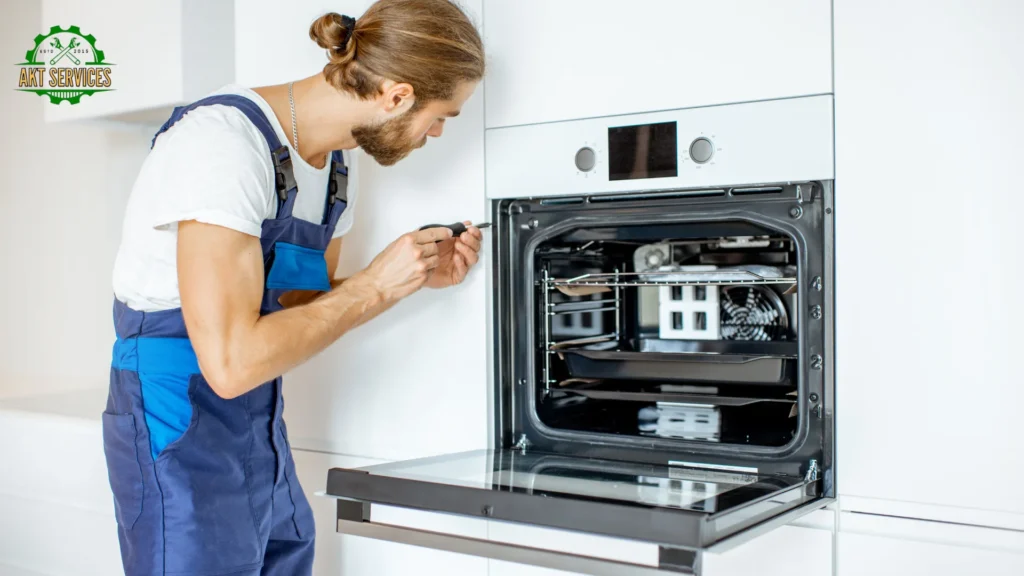
    At Al Karama Technical Services, located right in Sheikh Hamdan Colony, Dubai, our certified technicians specialize in fast, affordable, and professional oven and range repairs. This in-depth guide explores advanced troubleshooting techniques, common mechanical and electrical failure points, and professional repair strategies designed to restore your cooking equipment to peak performance.

    oven-repair-dubai.webp

    The Anatomy of Modern Kitchen Ovens: Electric vs. Gas

    To effectively diagnose and repair an oven, it helps to understand its underlying architecture. While both electric and gas ovens achieve the same culinary results, their internal heating and control mechanisms differ significantly:

    1. Electric Ovens

    Electric ovens rely on heavy-duty resistive heating elements located at the top (broil element) and bottom (bake element) of the cavity.

    • The Power Source: High-voltage alternating current (220V–240V in the UAE) flows directly through the element coils when the electronic control board or mechanical thermostat closes the circuit.
    • Thermal Regulation: NTC thermistors or capillary thermostats monitor internal temperatures, cycling power to the elements on and off to maintain steady baking heat.

    2. Gas Ovens

    Gas ovens use natural gas or LPG burners ignited by an electronic spark igniter or a glowing hot surface igniter.

    • The Power Source: A safety valve opens gas flow once the igniter reaches a high enough temperature to safely draw electrical current and ignite the burner flame.
    • Thermal Regulation: Cycling safety valves regulate gas flow to maintain precise baking temperatures inside the insulated cavity.

    Common Oven Failures in Dubai’s Kitchens

    Operating cooking appliances in regional residential and commercial kitchens exposes electrical wiring, switches, and heating components to continuous thermal cycling, grease accumulation, and heavy usage. Recognizing early warning signs prevents unexpected kitchen disruptions:

    1. Oven Fails to Heat Up (Dead Elements or Igniters)

    If your oven indicator light turns on and the timer counts down, but the interior remains completely cold, you are experiencing a heating failure.

    • Electric Oven Cause: A burned-out bake or broil element. Visible cracks, blistering, or bubbling along the metal tubing indicate an internal break in the electrical resistance circuit.
    • Gas Oven Cause: A weak hot surface igniter. If the igniter glows orange but fails to draw enough amperage to open the safety gas valve, gas will not release and the burner will not ignite.

    2. Uneven Baking and Hot Spots

    If cakes rise lopsided or meats bake faster on one side than the other, your oven is suffering from temperature distribution issues.

    • The Cause: A failing convection fan motor, warped oven door gaskets allowing heat to escape, or a calibration drift in the electronic temperature sensor probe.

    3. Electrical Tripping and Short Circuits

    Does your kitchen circuit breaker flip the moment you turn on the oven bake cycle?

    • The Cause: An internal heating element has short-circuited to the metal frame, or moisture and grease accumulation inside the electronic control board is causing a ground fault.

    Step-by-Step Professional Oven Repair Protocol

    When basic troubleshooting fails and component replacement is necessary, professional technicians follow a rigorous repair protocol to ensure safety and precision:

    1.Isolate Power and Perform Safety Checks:10 min.

    Turn off the dedicated kitchen circuit breaker and unplug the appliance. Verify zero electrical potential across internal wiring terminals using a calibrated digital multimeter.

    • Verification: Control panel indicators and internal lights are completely unpowered.

    2.Continuity and Resistance Testing:20 min.

    Disconnect wire leads from bake and broil elements. Set your multimeter to ohms (Ω\OmegaΩ) and test element resistance. A healthy element should show a low resistance value, while an “OL” reading indicates a burned-out break.

    • Verification: Multimeter measurements pinpoint faulty electrical heating components.

    3.Component Replacement and Wiring Inspection:30 min.

    Remove mounting screws securing the failed element, safety thermostat, or gas igniter. Inspect wire terminals for heat discoloration or corrosion, and install authentic manufacturer-approved replacement parts.

    • Verification: Replacement parts are securely mounted with clean, tight electrical connections.

    4.Thermal Calibration and Burn-In Testing:15 min.

    Power the oven back on, run a high-temperature calibration cycle, and verify interior cavity temperature using a calibrated thermocouple thermometer to ensure accurate baking performance.

    • Verification: Oven reaches and maintains target temperatures accurately across all settings.

    Preventative Maintenance to Extend Your Oven’s Lifespan

    Taking a proactive approach to kitchen appliance care drastically reduces emergency breakdown risks:

    • Wipe Spills Promptly: Clean up sugary spills and grease splatters inside the oven cavity after it cools down to prevent carbonization and element corrosion.
    • Inspect Door Gaskets Regularly: Check the fiberglass or rubber door seal around the oven opening for tears or gaps that let heat escape.
    • Avoid Harsh Abrasive Cleaners: Use non-abrasive cleaning pastes or specialized oven cleaners, avoiding harsh scouring pads that scratch porcelain enamel surfaces or damage wire sensors.

    Professional Support with Al Karama Technical Services

    While routine cavity cleaning and rack maintenance can easily be managed at home, complex electrical repairs—such as electronic control board replacements, internal wiring harness repairs, and gas safety valve servicing—require certified professional expertise.

    When your residential range or commercial oven requires expert intervention, Al Karama Technical Services, located in Sheikh Hamdan Colony – Dubai – United Arab Emirates, provides fast, affordable, and professional appliance repairs across Dubai.

    To review our full range of property support, explore our services. If your kitchen appliance requires prompt assistance, contact us today at +971 56 406 2749 or email [email protected] for reliable support throughout Al Karama and surrounding areas.

    Frequently Asked Questions

    How quickly can technicians arrive for an oven repair in Al Karama? We strive to provide rapid same-day or next-day appointments for all urgent appliance repair requests across Al Karama and surrounding Dubai districts.

    Can I use self-cleaning mode frequently on my electric oven? Running high-heat self-cleaning cycles (over 450°C) places extreme thermal stress on electronic control boards and thermal fuses. It is best used sparingly—once or twice a year.

    Why does my gas oven smell like gas when I turn it on? A faint gas odor during initial ignition can be normal, but a persistent smell indicates a delayed ignition caused by a weak igniter, a loose gas line connection, or a failing safety valve requiring immediate professional attention.

    Is it worth repairing an older oven or should I replace it? If your oven is less than 10 years old and the repair cost is significantly lower than purchasing a new range, professional component replacement is almost always the most cost-effective choice.

    What brands of ovens do your technicians service? Our certified technicians service all major residential and commercial oven, stove, and range brands, including Bosch, Siemens, Samsung, LG, Whirlpool, Zanussi, and Ariston.

  • The Anatomy of a Commercial Chiller System: Understanding Inside and Out

    In the fast-paced commercial and industrial districts of Dubai, maintaining precise climate control is a fundamental pillar of operational success. Whether you manage a bustling retail supermarket in Al Karama, a hospitality venue in Sheikh Hamdan Colony, a medical clinic, or a sprawling commercial office tower, your facility relies heavily on a robust, continuous cooling infrastructure. At the heart of this infrastructure sits the commercial chiller system.

    Unlike residential window units or standard split ACs, industrial chillers are massive, sophisticated thermal exchange networks engineered to remove heat from buildings or industrial processes on a large scale. Operating in the demanding desert environment of the UAE, these systems face extreme ambient temperatures, high humidity, and mineral-dense water supplies that put relentless stress on every internal valve, coil, and compressor.

    Understanding the anatomy of a commercial chiller system—how its core subsystems interact, where vulnerabilities lie, and how professional maintenance preserves performance—is vital for facility managers and property owners. At Al Karama Technical Services, our certified HVAC specialists provide rapid, reliable, and professional chiller repair and maintenance solutions across Dubai. This in-depth guide breaks down the complete anatomy of commercial chillers.

    Chiller repair Dubai

    What Is a Commercial Chiller? (The Core Principle)

    At its core, a commercial chiller does not technically “create” cold air; instead, it removes heat from water or a glycol solution. This chilled liquid is then pumped through air handling units (AHUs) or fan coil units (FCUs) distributed throughout the building, absorbing indoor heat and returning the warmed fluid back to the chiller to repeat the thermodynamic cycle.

    Most commercial chillers operate on the vapor-compression refrigeration cycle, utilizing specialized refrigerants that undergo continuous phase changes from liquid to gas and back again. To achieve this efficiently, the system is divided into four major mechanical and hydraulic subsystems.

    Subsystem 1: The Compression Circuit (The Heart of the Chiller)

    The compression assembly is responsible for pressurizing refrigerant vapor, raising its temperature, and driving it through the closed-loop system.

    • Compressor Types: Commercial chillers typically utilize large-scale compressors categorized as reciprocating, screw, scroll, or centrifugal units, driven by heavy-duty electric motors.
    • Refrigerant Circulation: The compressor draws in low-pressure refrigerant gas from the evaporator, compresses it into a high-pressure, high-temperature superheated gas, and discharges it toward the condenser.
    • Common Vulnerabilities: Continuous heavy-duty operating loads, electrical power surges, and inadequate lubrication can lead to severe mechanical wear, bearing degradation, electrical winding burnout, or complete motor seizure.

    Subsystem 2: The Condenser and Heat Rejection Circuit

    Once pressurized refrigerant leaves the compressor, it enters the condenser. Here, the primary objective is to release the heat absorbed from the building into the outside environment.

    • Air-Cooled vs. Water-Cooled Condensers: Air-cooled chillers use outdoor condenser fans to blow ambient air across finned copper tubing. Water-cooled chillers (often paired with cooling towers) use a secondary water loop to absorb and reject heat through evaporation.
    • The Heat Rejection Process: As ambient air or cooling water passes over the condenser tubes, the high-pressure refrigerant gas condenses back into a high-pressure liquid state.
    • Common Vulnerabilities: In dusty regional climates like Dubai, airborne sand and dirt quickly coat air-cooled condenser coils. Meanwhile, water-cooled systems are prone to severe mineral scaling and algae growth inside condenser tubes, which severely impedes heat transfer and triggers high-pressure safety lockouts.

    Subsystem 3: The Expansion and Metering Devices

    Before the high-pressure liquid refrigerant can absorb indoor heat, its pressure and temperature must be drastically reduced.

    • Thermal Expansion Valves (TEVs) and Electronic Expansion Valves (EEVs): These precision valves act as the throttling mechanism of the chiller. As liquid refrigerant passes through the narrow orifice of the expansion valve, pressure drops sharply, causing the fluid to flash into a cold, low-pressure liquid-vapor mixture.
    • Superheat Regulation: Advanced electronic controllers modulate EEV openings dynamically based on evaporator exit temperatures, ensuring maximum thermal efficiency under fluctuating building loads.
    • Common Vulnerabilities: Clogged filter-driers, moisture contamination in the refrigerant circuit, or faulty valve actuators can cause erratic refrigerant metering, leading to evaporator freezing or compressor liquid slugging.

    Subsystem 4: The Evaporator and Chilled Water Loop

    The evaporator is where the actual cooling magic happens. It is a shell-and-tube or plate-type heat exchanger where the cold refrigerant liquid absorbs heat from the building’s circulating water loop.

    • Heat Transfer: As the low-pressure refrigerant flows through the evaporator tubes (or shell), it absorbs heat from the water flowing across it. The water drops in temperature (typically chilled to around 6°C to 7°C) and is pumped out to cool the building.
    • Refrigerant Evaporation: Absorbing this heat causes the liquid refrigerant to boil and vaporize completely into a low-pressure gas, which is then sucked back into the compressor.
    • Common Vulnerabilities: Restricted water flow, low refrigerant charges, or heavy mineral scale accumulation inside evaporator tubes can cause water temperatures to drop below freezing, forming ice crystals that can rupture the internal tubes.

    Subsystem 5: Computerized Control Panels and Safety Interlocks

    Modern commercial chillers are governed by advanced microprocessor controllers that monitor system pressures, temperatures, flow rates, and electrical loads in real-time.

    • Safety Interlocks: Automated sensors instantly shut down the chiller if abnormal conditions arise—such as low chilled water flow, high refrigerant head pressure, low oil pressure, or electrical phase imbalances.
    • Building Management System (BMS) Integration: Commercial controllers allow facility managers to monitor efficiency metrics, schedule operating hours, and diagnose error codes remotely.
    • Common Vulnerabilities: Power fluctuations, moisture condensation on circuit boards, and sensor calibration drift can lead to nuisance trip faults or uncoordinated system shutdowns.

    Step-by-Step Professional Diagnostic and Repair Protocol

    When a commercial chiller experiences mechanical failure, expert technicians follow a rigorous workflow to restore operation safely:

    1.Isolate Power and Verify Safety Lockouts:15 min.

    Shut down the main commercial breaker and apply lockout/tagout procedures. Verify zero electrical potential across high-voltage compressor terminals using a calibrated digital multimeter.

    • Verification: Control panel indicators and motor starters are completely unpowered.

    2.System Pressure and Electrical Testing:30 min.

    Attach digital manifold gauges to assess suction and discharge pressures. Measure compressor winding resistance, test start relay continuity, and evaluate superheat and subcooling levels.

    • Verification: Diagnostic readings pinpoint whether the fault is electrical, mechanical, or refrigerant-related.

    3.Leak Detection and Recovery:45 min.

    If a refrigerant leak is suspected, isolate the circuit and use electronic leak detectors or nitrogen pressure testing to locate hairline cracks in copper piping or brazed joints.

    • Verification: Leak source is visually identified and marked for repair or component replacement.

    4.Component Servicing and Calibration:60 min.

    Perform necessary repairs—such as cleaning fouled condenser coils, descaling evaporator tubes, rebuilding compressor valves, or recharging certified refrigerant levels.

    • Verification: System pressures and temperatures stabilize within manufacturer operating specifications.

    Preventative Maintenance: Preserving Your Chiller’s Anatomy

    Reactive repairs are costly and disruptive. Implementing a disciplined preventative maintenance schedule preserves the lifespan of your commercial chiller:

    • Quarterly Coil Cleaning: Wash and degrease condenser coils regularly to maintain unobstructed airflow and prevent high-pressure trips.
    • Water Treatment Programs: Treat chilled water and condenser water loops to inhibit bacterial growth, algae formation, and mineral scaling.
    • Oil and Vibration Analysis: Perform periodic compressor oil testing and vibration monitoring to detect internal bearing wear before catastrophic failure occurs.

    Professional Support with Al Karama Technical Services

    While routine air filter checks and temperature logging can be monitored internally, major chiller overhauls, refrigerant recovery, and electrical troubleshooting require certified commercial HVAC expertise.

    When your business requires urgent cooling support, Al Karama Technical Services, located in Sheikh Hamdan Colony – Dubai – United Arab Emirates, provides fast, affordable, and professional appliance and HVAC repairs across Dubai.

    To review our full range of property support, explore our services. If your facility requires prompt assistance, contact us today at +971 56 406 2749 or email [email protected] for reliable support throughout Al Karama and surrounding areas.

    Frequently Asked Questions

    What are the main components of a commercial chiller system? The four primary components are the compressor, the condenser, the expansion device (TEV/EEV), and the evaporator.

    Why does my commercial chiller constantly trip on high pressure? High-pressure faults are typically caused by dust-choked condenser coils, restricted cooling water flow, or non-condensables trapped in the refrigerant circuit.

    How often should commercial chillers undergo professional servicing? Commercial chillers require comprehensive preventative maintenance at least twice a year—ideally before peak summer heat and during seasonal transitions.

    Can hard water damage a commercial chiller? Yes. Mineral-dense water causes scale encrustation inside condenser and evaporator tubes, severely reducing heat transfer efficiency and increasing energy consumption.

    Do you service commercial properties across all of Dubai? Yes, our certified HVAC technicians provide rapid on-site diagnostics, repairs, and maintenance for commercial and industrial facilities throughout Dubai.

Call Now