In the extreme heat of a Dubai summer, your air conditioning system is pushed to its absolute limits, running constantly to maintain a comfortable indoor environment. Most property owners are familiar with the visible components of their AC systems, such as the thermostat, the air filter, and the outdoor condenser unit. However, the true protectors of your cooling system are the small, hidden safety mechanisms working relentlessly behind the scenes.
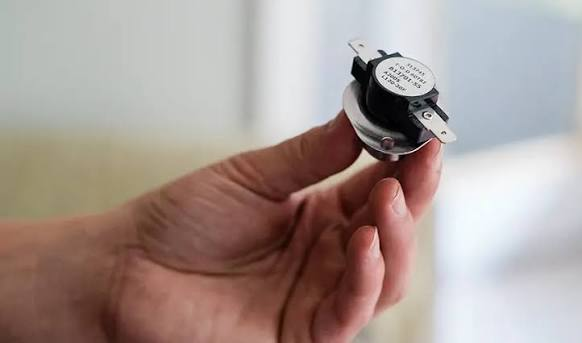
One of the most critical of these invisible protectors is the AC limit switch. While it may be a small and relatively inexpensive component, its role in preserving the life of your air conditioner is monumental. Understanding what an AC limit switch is, how it operates, and why it occasionally shuts your system down can save you from catastrophic equipment failures and massive repair bills.
What Is an AC Limit Switch?
An AC limit switch is a vital safety and sensor mechanism designed to monitor the internal pressures and temperatures of your air conditioning system. In dedicated cooling systems—such as the split, ducted, and packaged units commonly used across Dubai—these switches primarily monitor the pressure of the chemical refrigerant flowing through the system.
There are generally two types of limit switches found in modern air conditioning units: the high-pressure limit switch and the low-pressure limit switch. Together, they act as the ultimate fail-safe. If the internal environment of your air conditioner drifts outside of the manufacturer’s safe operating thresholds, the limit switch instantly interrupts the electrical circuit, cutting power to the compressor before the system can destroy itself.
How Does an AC Limit Switch Work?
Your air conditioner operates as a closed-loop system, constantly circulating refrigerant between the indoor evaporator coils and the outdoor condenser coils. For the system to cool your home efficiently, this refrigerant must be maintained at highly specific pressure levels.
The AC limit switch is physically connected to the refrigerant lines and wired directly into the compressor’s control circuit.
- The High-Pressure Limit Switch: This switch monitors the refrigerant as it leaves the compressor. If the pressure builds up to dangerously high levels—often due to heat failing to dissipate from the outdoor unit—the switch is triggered. By cutting the power, it stops the compressor from continuously pumping gas into an already over-pressurized line, preventing ruptured pipes or a blown compressor motor.
- The Low-Pressure Limit Switch: Conversely, this switch monitors the system for sudden drops in pressure, which usually indicates a severe refrigerant leak. Operating a compressor without enough refrigerant is incredibly dangerous, as the refrigerant also carries the oil that lubricates the compressor’s internal moving parts. The low-pressure switch shuts the system down to prevent the motor from running dry, overheating, and seizing up permanently.
Why Is the AC Limit Switch Important?
Why is an AC limit switch so important? The AC limit switch is important because it is the only component standing between a minor mechanical issue and the total destruction of your air conditioner’s most expensive part: the compressor.
When an air conditioner is forced to run under abnormal pressure conditions, the physical and thermal strain on the internal mechanics is immense. According to the U.S. Department of Energy, neglecting basic air conditioning maintenance can lead to extreme pressure imbalances that rapidly multiply energy consumption and cause premature compressor failure. The limit switch prevents this chain reaction of destruction.
Beyond protecting the equipment, the limit switch is a critical fire safety device. If a compressor is allowed to run while severely overheated or over-pressurized, the electrical windings inside the motor can melt, potentially causing a short circuit or an electrical fire. By acting as an automated emergency brake, the limit switch protects both your property and your wallet.
Signs Your AC Limit Switch Is Malfunctioning or Tripping
Because the limit switch is a safety device, it doing its job often looks like a system failure. If your limit switch is tripping—or if the switch itself has malfunctioned—you will likely notice several distinct warning signs:
- AC Short Cycling: The air conditioner turns on, runs for only a few minutes, and then abruptly shuts off before cooling the room. This frequent on-and-off behavior happens when the pressure spikes almost immediately upon startup, triggering the switch to cut the power.
- System Lockout (Will Not Turn On): Modern AC units have smart control boards. If a limit switch trips multiple times within a specific timeframe, the control board will initiate a “hard lockout.” The system will refuse to turn on at all to prevent further damage until a professional resets the board and diagnoses the root cause.
- Blowing Warm Air: If the low-pressure limit switch is tripping due to a lack of refrigerant, the indoor fan may continue to run, but it will only blow warm or room-temperature air because the compressor has been safely disabled.
- Frequent Circuit Breaker Trips: If a limit switch is failing to open the circuit in time, the compressor will overheat, draw massive amounts of electrical current, and trip the main circuit breaker on your home’s electrical panel.
What Causes an AC Limit Switch to Trip in Dubai?
In the UAE, environmental factors play a massive role in triggering high-pressure limit switches. The most common causes of a tripped switch include:
- Dirty Condenser Coils: The outdoor unit is exposed to intense desert dust and sand. When the condenser coils become caked in dirt, they cannot release heat into the outside air. The trapped heat causes internal pressure to skyrocket, instantly tripping the high-pressure switch.
- Refrigerant Leaks: Microscopic holes in the copper lines allow refrigerant to slowly escape. Once the level drops below the minimum threshold, the low-pressure switch triggers to save the compressor from running without lubrication.
- Failing Condenser Fan Motor: If the fan on the outdoor unit slows down or dies completely, hot air is not pulled across the coils, leading to a rapid over-pressurization of the system.
- Blocked Indoor Airflow: A severely clogged indoor air filter restricts the airflow over the evaporator coils, causing them to freeze solid. This disrupts the refrigerant pressure balance and triggers the safety switches.
Can You Bypass a Tripped AC Limit Switch?
Under no circumstances should you ever bypass, jump, or permanently disable a tripped AC limit switch. Some amateur handymen attempt to wire around a tripping switch to force the air conditioner to run. This is highly dangerous.
The limit switch is tripping for a reason. If you bypass it, the underlying pressure or temperature issue remains unresolved. Forcing an over-pressurized or under-lubricated compressor to run will inevitably result in a catastrophic equipment explosion, melted wiring, or a complete motor burnout. A bypassed switch turns a manageable repair into a total system replacement.
Professional AC Repair and Maintenance in Al Karama
If your air conditioner is short-cycling, blowing warm air, or refusing to turn on, your safety limit switches are likely trying to tell you something is wrong. Attempting DIY diagnostics on high-voltage, high-pressure climate control systems is unsafe.
At Al Karama Technical LLC, our certified technicians specialize in diagnosing complex HVAC faults. Whether you are dealing with a faulty safety switch, a hidden refrigerant leak, or a dust-clogged condenser coil, we provide expert AC repair services to restore your indoor comfort safely. Scheduling routine AC maintenance with our team ensures that pressure imbalances are corrected long before they ever trigger a system lockout.
Frequently Asked Questions
What does an AC limit switch do? An AC limit switch monitors the internal refrigerant pressure of your air conditioning system. If the pressure gets too high or drops too low, the switch automatically cuts power to the compressor to prevent catastrophic mechanical failure.
Where is the AC limit switch located? The limit switches are typically located inside the outdoor condenser unit, directly attached to the copper refrigerant lines near the compressor. They are wired into the unit’s electrical control board.
Can a dirty air filter cause an AC limit switch to trip? Yes, a severely dirty air filter restricts indoor airflow, which can cause the evaporator coils to freeze. This freezing alters the refrigerant pressure throughout the entire system, potentially triggering the low-pressure limit switch.
How do I know if my AC limit switch is bad? You may have a bad limit switch if your AC shuts off continuously despite having clean coils and perfect refrigerant levels, or if a multimeter test shows the switch has no electrical continuity when system pressures are normal.
How much does it cost to fix an AC limit switch? The switch itself is relatively inexpensive, but the overall cost depends heavily on what caused the switch to trip in the first place, such as a refrigerant leak or a failing fan motor, which must be resolved simultaneously.
When should I call an AC repair technician? You should call an AC technician if your system repeatedly shuts off after just a few minutes of cooling, if the outdoor unit will not turn on, or if you suspect a refrigerant leak. You can contact us at Al Karama Technical LLC for professional diagnostics and immediate repair in Dubai.
Leave a Reply