Living in Al Karama offers residents a unique blend of vibrant community life, rich history, and well-established infrastructure right in the heart of Dubai. However, residing in one of the city’s older, more historic neighbourhoods often comes with specific maintenance challenges, particularly when it comes to climate control. When temperatures soar, a fully functional air conditioning system is not just a luxury; it is a necessity for indoor comfort, health, and safety.
One of the most frequent cooling issues reported by tenants and property owners in this district is water leakage caused by clogged condensate drain lines. Understanding the relationship between older building infrastructure and modern cooling demands is essential for preventing costly property damage. This comprehensive guide explores why AC drainage problems frequently occur in older buildings, how to identify the early warning signs of a blockage, and how proper maintenance can protect your home.
Why AC Problems Can Be Different in Older Al Karama Buildings
The architectural landscape of Al Karama is distinct from the newly developed, ultra-modern districts of Dubai. Many residential and commercial buildings here were constructed decades ago. While these structures are highly durable, their ageing internal infrastructure can significantly impact how air conditioning systems operate and drain.
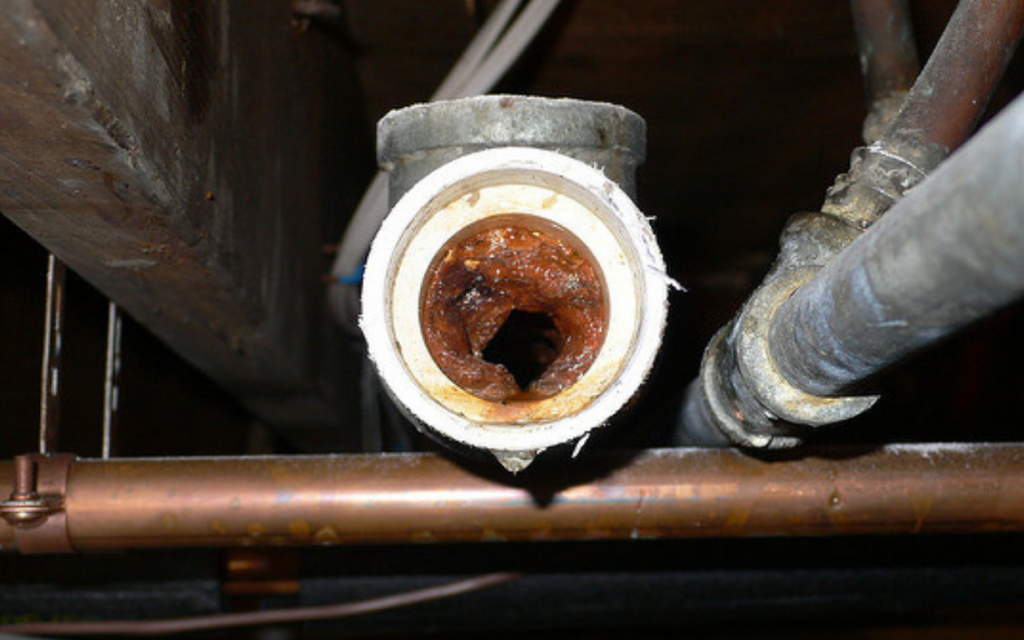
Older AC installations and retrofitted cooling systems often face drainage challenges because they must rely on the building’s original plumbing arrangements. In many older buildings, AC drain pipes are deeply embedded within solid concrete walls or routed through narrow, restrictive ceiling spaces. Over the years, buildings naturally settle. This slight structural shifting can alter the gravitational slope of the concealed PVC drain pipes. When a drain pipe loses its downward slope, water pools inside the line instead of flowing outward, creating the perfect environment for sludge buildup.
Furthermore, previous modifications or rushed repairs by unqualified handymen over the lifespan of the building can leave you with mismatched pipe fittings or improper drainage traps. These legacy issues make proper AC maintenance more complex, requiring technicians who understand how to navigate the hidden quirks of older properties without causing structural damage.
The Science of Condensation: Why Does Your AC Produce Water?
To understand why a drain line clogs, it is helpful to know why your air conditioner produces water in the first place. Your AC unit does not just cool the air; it also acts as a powerful dehumidifier.
As warm, humid indoor air is pulled over the freezing cold evaporator coils inside your indoor AC unit, the moisture in the air condenses into liquid water. This is the exact same physical process that causes water droplets to form on the outside of a cold glass of water on a hot day. In a healthy AC system, this condensation drips off the coils into a primary drain pan, flows into the condensate drain line, and is safely routed outside the building or into the main plumbing system. During a humid Dubai summer, a standard residential AC unit can produce several litres of water every single day.
What Causes an AC Drain Line to Become Clogged?
What causes an AC drain line to clog? An AC drain line clogs primarily due to a heavy accumulation of airborne dust, dirt, algae, mold spores, and biological sludge that builds up inside the dark, damp PVC piping over months of continuous use.
Several specific factors contribute to these blockages in Dubai homes:
- Dust and Airborne Debris: Dubai’s desert environment means that indoor air naturally contains fine sand and dust particles. When your air filter becomes saturated, this fine dust bypasses the filter, lands on the wet evaporator coils, and is washed down into the drain pan. Over time, this wet dirt forms a thick, heavy mud that clogs the narrow drain line.
- Algae and Biological Sludge: The inside of an AC drain line is dark, cold, and constantly damp. This creates the ultimate breeding ground for algae, mold, and mildew. As these biological contaminants grow, they form a sticky, jelly-like substance—often referred to as “white slime”—that easily blocks the flow of water.
- Lack of Preventative Maintenance: The most common cause of a severe blockage is simply neglect. If an AC unit runs for years without professional cleaning, the gradual buildup of sludge will eventually reach a critical mass, completely sealing off the pipe.
Signs Your AC Drain Line May Be Blocked
How do I know if my AC drain line is blocked? You can determine if your AC drain line is blocked if you observe water dripping directly from the indoor unit, pooling around the bottom of the wall, or if your home develops a persistent musty, damp odor.
Because the drain line is usually hidden from view, you must rely on secondary symptoms to identify a blockage. Look out for these practical warning signs:
- Direct Water Leakage: The most obvious sign is water visibly dripping from the indoor air handler or split unit casing.
- Bubbling Paint or Water Stains: In older buildings where drain lines run through the walls, a hidden blockage might force water to seep into the masonry. Look for bubbling wall paint, peeling wallpaper, or expanding brown water stains on the ceiling directly below the unit.
- Musty Odours: Sometimes called “Dirty Sock Syndrome,” a foul, rotting smell blowing from your AC vents often indicates standing, stagnant water trapped in the drain pan due to a blockage.
- AC Shutting Off Unexpectedly: Modern air conditioners are equipped with an emergency float switch located in the drain pan. If the water level rises dangerously high because the drain is blocked, this safety switch will automatically cut power to the AC unit to prevent a catastrophic indoor flood. If your AC repeatedly turns off after running for a short period, a blocked drain is a highly likely culprit.
- Reduced Cooling Performance: If the evaporator coils are frozen or the system is struggling against a backed-up drain, the overall cooling efficiency of your living space will noticeably decline.
The Hidden Risks of Ignoring AC Water Leaks
Ignoring a clogged condensate drain is a risky decision that can lead to severe secondary consequences. For tenants, untreated water leaks can permanently damage landlords’ property, including wooden flooring, carpets, and drywall, which can result in the loss of security deposits. For property owners, repairing water-logged masonry in an older building is significantly more expensive than basic AC maintenance.
Beyond financial costs, there is a serious health component. Stagnant water overflowing from an AC pan introduces high levels of moisture into the surrounding drywall and ceiling cavities. This creates an ideal environment for toxic black mold to flourish. Once mold spores are pulled into the AC system, they are rapidly circulated throughout your indoor air, potentially triggering asthma, allergies, and severe respiratory issues for the building’s occupants.
How AC Technicians Handle Clogged Drain Lines
When you experience severe drainage problems, professional intervention is required to clear the blockage safely. A certified technician uses a structured approach to troubleshoot and resolve the issue without damaging the ageing pipes of your building.
First, the technician will carefully inspect the indoor unit, accessing the primary drip pan to assess the water level and check for rust or corrosion. Once the blockage is confirmed, they will locate the exit point of the condensate drain.
Professionals do not use harmful chemical drain cleaners, as these can melt PVC pipes and release toxic fumes into the HVAC system. Instead, they use specialized equipment. Often, an industrial wet/dry vacuum is attached to the outside of the drain line to aggressively suck out the algae, sludge, and trapped water. If the blockage is deeply calcified, the technician may use highly pressurized nitrogen gas to blow the obstruction out of the pipe safely.
After clearing the pipe, the technician will flush the system with clean water to verify the drainage flow, apply specialized algaecide tablets to the drain pan to prevent future biological growth, and thoroughly test the system’s electrical safety switches.
How to Prevent AC Drain Problems in Al Karama
Maintaining an optimal indoor climate in an older property requires proactive care. According to the U.S. Department of Energy, routinely replacing filters and ensuring that condensate drains remain completely unobstructed are among the most critical steps to maintaining cooling efficiency and extending the lifespan of your unit.
To prevent drain line blockages in your home, consider these practical maintenance measures:
- Clean or Replace Filters Monthly: The most effective way to stop dirt from entering your drain line is to stop it at the filter. Wash reusable filters or replace disposable ones every 30 days during the intense Dubai summer.
- Schedule Regular Professional Maintenance: Have your cooling system professionally serviced at least twice a year. Routine AC maintenance allows technicians to flush the drain lines before algae and sludge can cause a total blockage.
- Address Unusual Smells Early: Do not ignore musty odors. If the air smells damp, have the drip pan inspected immediately.
- Keep Accessible Areas Clear: Ensure that the area around your indoor and outdoor units is free of dust, furniture, and debris that could restrict airflow or obscure a hidden water leak.
When Should You Call an AC Repair Technician?
While cleaning an air filter is a safe task for any homeowner, dealing with internal plumbing, electrical components, and chemical refrigerants requires certified expertise. You should call a professional technician if you experience persistent water leakage, if your system repeatedly shuts down, if you hear unusual mechanical noises, or if basic filter cleaning does not restore your cooling performance.
Attempting DIY repairs on an overflowing AC unit can expose you to live electrical wiring and potentially worsen the internal damage. When you need dependable, fast, and safe solutions, Al Karama Technical LLC provides expert AC repair services throughout Dubai. Our technicians are highly experienced in navigating the unique architectural layouts of Al Karama, ensuring your cooling systems are restored efficiently.
Frequently Asked Questions
Why does my AC leak water in Al Karama? Your AC leaks water primarily because the condensate drain line is completely blocked. When the condensation cannot exit the pipe, the water backs up, overflows the indoor drip pan, and leaks down your walls or ceilings.
What causes an AC drain line to clog? An AC drain line clogs due to a heavy accumulation of dust, dirt, mold, and algae. Because the inside of the pipe is constantly wet, biological sludge forms easily and eventually seals off the water flow.
How do I know if my AC drain line is blocked? You will know your AC drain line is blocked if you see water pooling around the indoor unit, notice a musty rotting smell from your air vents, or if the AC unexpectedly shuts off due to a triggered emergency float switch.
Can an older building cause AC drainage problems? Yes, older buildings can contribute to AC drainage problems. Over decades, buildings settle, which can eliminate the vital downward slope of concealed drainage pipes, causing water to pool inside the walls instead of flowing outward.
How can I prevent AC drain line blockages? You can prevent blockages by washing your air filters once a month to reduce airborne dust and by scheduling professional home appliance repairs and AC servicing twice a year to keep the internal pipes flushed and sanitized.
When should I call an AC repair technician? You should call an AC repair technician immediately if water is actively leaking from the unit, if the system fails to cool the room, or if the AC repeatedly trips your circuit breakers.
Are you dealing with an unexpected AC water leak, poor cooling, or a blocked drain line? Protect your property from water damage and restore your indoor comfort today. Contact us at Al Karama Technical LLC for professional, reliable AC inspection and repair across Dubai.
Leave a Reply