For coffee connoisseurs, office managers, and café operators alike, the daily ritual of brewing espresso is an essential cornerstone of productivity and enjoyment. Whether you operate a high-volume multi-group commercial machine in a bustling Dubai hospitality venue or rely on a precision bean-to-cup espresso maker on your kitchen counter, these appliances are marvels of modern engineering. They seamlessly combine high-pressure water pumps, thermoblock heating units, motorized brewing infusers, and complex electronic logic boards.
However, when a precision appliance handling high temperatures, pressurized water, and fine organic residues encounters a mechanical hitch, your entire morning routine grinds to a halt. Dealing with a leaking boiler, a seized grinder burr, or a total electrical blackout requires more than guesswork—it demands systematic diagnostics and expert technical intervention.
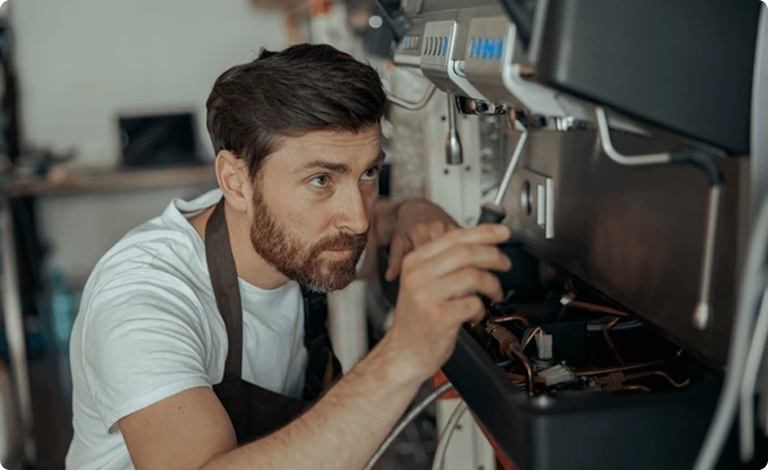
Here at Fix Fast, our certified technical specialists frequently diagnose and repair residential and commercial coffee equipment across Dubai. This in-depth guide explores advanced troubleshooting techniques, common mechanical failure points, and professional coffee machine repair strategies designed to restore your equipment to peak operating condition.
The Anatomy of an Espresso Machine: Understanding Critical Subsystems
To effectively troubleshoot and repair a malfunctioning coffee machine, it helps to understand how its core internal subsystems interact. Most modern espresso makers rely on four primary functional networks:
1. The Hydraulic and Water Delivery Circuit
Water is the lifeblood of espresso extraction. The hydraulic circuit consists of a water reservoir or direct plumbed line, a flow meter to measure volume, a vibration or rotary vane pump, check valves, and high-pressure silicone or copper tubing.
- The Vulnerability: Hard water mineral scaling and trapped air locks frequently choke water flow through these narrow conduits, leading to sputtering extractions and pump cavitation.
2. The Heating and Thermal Regulation System
Unlike standard drip coffee makers, espresso machines must deliver water at a precise temperature—typically between 90°C and 96°C—under 9 bars of pressure. This is achieved using single boilers, dual-boiler systems, or high-efficiency thermoblocks equipped with NTC thermistors and safety thermal fuses.
- The Vulnerability: Thermal cycling and limescale encrustation cause heating elements to overheat and burn out, while failing thermostats trigger erratic water temperatures or complete heating failure.
3. The Brewing Group Head and Solenoid Valves
The group head is where pressurized hot water meets compacted coffee grounds. A three-way solenoid valve sits just above the group head, opening to allow water flow during extraction and opening to exhaust residual pressure into the drip tray once the shot is finished.
- The Vulnerability: Sticky coffee oils, tannins, and calcium scale coat the solenoid plunger, causing it to stick open or closed, resulting in soggy coffee pucks or water leaking into the drip tray prematurely.
4. The Electronic Control and User Interface
Modern machines rely on microprocessors to monitor water levels, temperature setpoints, flow meter pulses, and user button inputs.
- The Vulnerability: Power surges, internal steam leaks, and moisture condensation can short-circuit control boards, leading to unresponsive touch panels and unresolvable error warning codes.
Advanced Troubleshooting: Diagnosing Common Coffee Machine Failures
When your coffee machine stops working correctly, running through a structured diagnostic checklist helps isolate the root cause before dismantling internal components.
Scenario A: The Pump Runs, But No Water Comes Out
If you hear the pump humming loudly during extraction, but the group head remains completely dry, you are experiencing a water flow blockage or an air lock.
- Diagnostic Steps:
- Check if the water tank is seated properly on its inlet valve pin.
- Inspect the water intake filter for slimy algae or mineral blockage.
- Run the steam wand valve open to check if water or steam can escape through the wand; if water flows through the steam wand but not the group head, your group head solenoid valve or brew circuit is blocked by scale.
Scenario B: Water Leaking Beneath the Machine
Finding a puddle of water underneath your coffee maker is an immediate cause for concern, as water mixing with electricity poses severe safety hazards.
- Diagnostic Steps:
- Unplug the machine and remove the outer side panels.
- Inspect the silicone and copper internal hoses for hairline cracks or loose spring clamps.
- Check the condition of the group head rubber gasket; a dried-out, cracked gasket will allow water to bypass the portafilter rim and spill down the front housing during extraction.
Scenario C: Coffee Tastes Bitter, Burnt, or Sour
If your machine operates normally and pumps water, but your espresso tastes unpleasantly bitter or sour, the issue is usually chemical rather than mechanical.
- Diagnostic Steps:
- Inspect the group head shower screen for baked-on coffee oils and grounds.
- Remove the portafilter basket and check for rancid oil buildup in the bottom of the spouts.
- Taste your grinder output; dull grinder burrs crush coffee beans rather than cutting them cleanly, creating excessive “fines” that over-extract and impart a harsh, burnt flavor.
Step-by-Step Professional Repair Protocol
When basic troubleshooting fails and internal component replacement is necessary, professional technicians follow a rigorous repair protocol to ensure safety and longevity.
1.Isolate Power and Perform Safety Discharge:10 min.
Unplug the machine from the wall outlet and allow internal boilers or thermoblocks to cool down completely. If working on machines with large capacitors or high-voltage electronic boards, verify zero electrical potential with a multimeter.
- Verification: The machine display and internal indicator lights are completely unpowered.
2.Dismantle Housing and Inspect for Leaks:25 min.
Unscrew the exterior stainless steel or ABS plastic panels. Inspect internal wiring harnesses for signs of heat discoloration, melted wire insulation, or calcium crusting around brass fittings.
- Verification: All internal tubing joints, pumps, and boiler fittings are fully exposed without wire obstruction.
3.Component Testing and Replacement:30 min.
Test pump pressure output with a manometer, check heating element continuity in ohms, and evaluate solenoid valve coil resistance. Replace failed components with authentic manufacturer-approved spare parts.
- Verification: Multimeter readings match manufacturer specifications across all tested electrical circuits.
4.Hydraulic Descaling and Pressure Calibration:15 min.
Perform a comprehensive chemical descaling cycle to strip away internal limescale deposits, flush the brew circuit thoroughly, and calibrate brew pressure to the standard 9 bars.
- Verification: Water flows evenly through the group head at stable temperature and optimal pressure.
Preventative Maintenance to Protect Your Investment
Taking a proactive approach to coffee machine care drastically extends the lifespan of your equipment and ensures every cup tastes exceptional:
- Use Filtered Water: Never use untreated hard tap water in your espresso machine. Installing a dedicated water softening cartridge or using mineral-filtered water prevents 90% of internal scale failures.
- Daily Backflushing: Run a water backflush daily using a blind filter basket, and perform a detergent backflush weekly to dissolve trapped coffee oils in the three-way valve.
- Clean and Purge Steam Wands: Always wipe down and purge your steam wand immediately after frothing milk to prevent dried dairy fats from blocking microscopic steam tip holes.
Professional Support with Al Karama Technical Services
While routine group head cleaning, filter maintenance, and descaling cycles can be managed at home, complex mechanical overhauls—such as boiler replacements, rotary pump repairs, electronic board programming, and high-pressure hydraulic repairs—require certified professional expertise.
When your espresso maker or commercial coffee equipment requires expert intervention, Al Karama Technical Services provides fast, reliable, and professional technical support across Dubai. To explore our complete range of technical solutions, reviewing our services helps you understand how we support your household and office appliances. You can also explore expert home appliance repair insights or dedicated coffee machine maintenance guides. If your equipment requires expert attention, contact us at Al Karama Technical Services today for , dependable service across Dubai.
Frequently Asked Questions
How often should a commercial coffee machine undergo professional servicing? Commercial espresso machines should undergo comprehensive preventative maintenance and tune-ups every 3 to 6 months due to heavy daily extraction volumes.
Can I use regular kitchen vinegar to descale my espresso machine? While weak vinegar solutions can remove mild scale, they leave a lingering, unpleasant odor and taste in brass boilers. Specialized food-grade citric acid or commercial espresso descalers are strongly recommended.
Why does my espresso machine trip the electrical circuit breaker? A tripping circuit breaker usually indicates a water leak coming into contact with electrical heating element terminals, a short-circuited pump motor, or a damaged power cord.
Is it worth repairing an older espresso machine? Yes. High-end traditional espresso machines and premium bean-to-cup makers are built with durable brass, copper, and stainless steel components. Professional repairs and part replacements are almost always more cost-effective than purchasing a new unit.
What causes an espresso machine to make a loud squealing noise during extraction? A loud squealing or vibrating noise is typically caused by pump cavitation—often resulting from a restricted water supply line or a failing vibration pump check valve.
Leave a Reply