When you toss a load of laundry into your washing machine, you expect the cycle to finish with clean, damp clothes ready for the dryer. However, opening your machine door only to find a pool of standing, soapy water sloshing around your garments is an immediate cause for frustration.
Behind every smooth wash cycle lies a complex network of valves, hoses, and motors working in sync. At the heart of the water extraction process is the drain pump. When this vital component begins to wear out, it sends out distinct warning signals before failing completely.
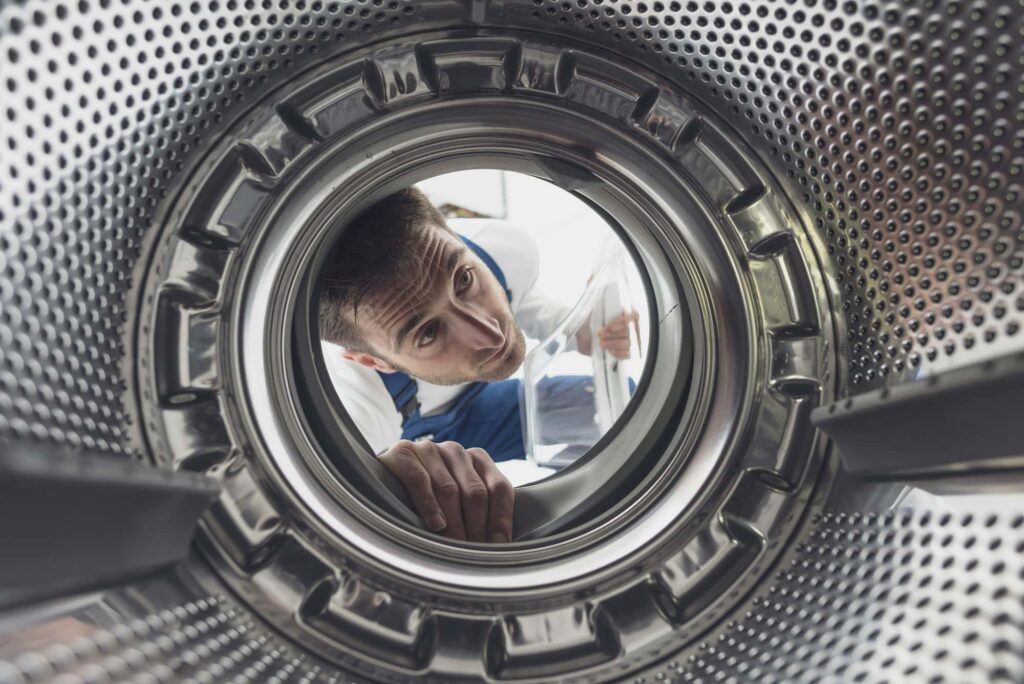
Operating in a demanding environment like the UAE, home appliances face heavy daily usage and hard water challenges that accelerate mechanical wear. Here at Al Karama Technical Services, our certified technicians frequently diagnose and resolve laundry equipment failures across Dubai. Knowing the early warning signs of a failing drain pump can save you from unexpected flooding and expensive water damage.
1. Standing Water Left Inside the Drum
The most obvious and immediate sign of drain pump trouble is water remaining in the drum at the end of a wash or rinse cycle.
When your washing machine reaches the final spin phase, the control board signals the drain pump to evacuate all wastewater through the discharge hose into your household plumbing. If water fails to drain—leaving your laundry soaking wet—it indicates that the pump motor is either jammed with debris, suffering from a burnt-out winding, or failing to generate enough mechanical impeller suction.
While a clogged filter or a kinked drain hose can sometimes cause standing water, a persistent drainage failure despite clean filters points directly to pump failure.
2. Unusual Humming, Buzzing, or Screeching Noises
A healthy washing machine drain pump produces a low, steady hum while actively expelling water. If your machine suddenly starts emitting strange noises during the drain phase, your pump is in distress.
- Loud Buzzing or Humming: This usually happens when the pump motor receives electrical power but the internal impeller is blocked by a foreign object—such as a coin, hair pin, or paperclip—preventing the blades from spinning.
- Harsh Grinding or Screeching: If the internal ceramic bearings or motor shaft bushings have worn down, the metal components grind against each other under high friction, creating an unmistakable screeching noise that requires immediate professional intervention.
3. The Machine Fails to Advance Through Cycle Phases
Modern washing machines operate on precise programmed timers and sensor feedback loops. Before a machine can transition from washing to rinsing, or from rinsing to high-speed spinning, it must verify that the drum is completely empty of water.
If the water level pressure switch detects standing water because the pump is failing to drain, the washing machine control board pauses the cycle indefinitely. Your machine will sit frozen mid-cycle, refusing to spin or open the door lock. If your washer repeatedly stalls during transition phases, the sluggish or unresponsive drain pump is often the root cause.
4. Foul Musty Odors and Mold Buildup
A failing drain pump rarely evacuates water efficiently, often leaving behind a stagnant puddle trapped in the bottom housing, pump filter chamber, and discharge hose.
When organic laundry residue, lint, detergent scum, and standing water sit motionless in warm indoor conditions, they quickly become breeding grounds for bacteria, mold, and mildew. If you notice a foul, sulfurous, or musty odor every time you open your washing machine door—even after running cleaning cycles—it is frequently tied to poor drainage caused by a struggling pump system.
5. Water Leaks Around the Base of the Machine
While water leaks can stem from damaged door gaskets or split inlet hoses, a puddle forming directly underneath or near the front lower service panel often originates at the drain pump assembly.
Over years of continuous vibration and thermal stress, the rubber seals, O-rings, and internal housing connections around the drain pump can warp or crack. Furthermore, if internal pump blockages cause excessive backpressure, water can force its way past worn shaft seals, leaking directly onto your laundry room floor and creating a slip hazard.
Professional Support with Al Karama Technical Services
While clearing minor lint clogs and checking accessible drain filters can be handled independently, severe mechanical failures—such as burned-out pump motors, electrical wiring faults, or cracked pump housings—require certified professional expertise.
When your laundry equipment requires expert intervention, Al Karama Technical Services provides reliable washing machine repair and comprehensive technical solutions across Dubai. To review our full range of property maintenance support, check our services. If your home or commercial property is facing unexpected appliance issues, contact us today for prompt, dependable assistance.
Frequently Asked Questions
Can I still use my washing machine if the drain pump is making a buzzing noise? No, running a machine with a buzzing, jammed pump can cause the motor to overheat, trip your electrical circuit breaker, or burn out completely.
Where is the washing machine drain pump located? In most front-load washing machines, the drain pump is located behind a small service panel at the bottom front corner. In top-load machines, it is usually positioned underneath the tub near the motor.
How do I clear a clogged washing machine drain pump? Unplug the machine, place a shallow pan and towels beneath the lower service filter door, slowly unscrew the filter plug to drain residual water, and remove any trapped debris or foreign objects.
What causes washing machine drain pumps to fail prematurely? Frequent overloading, foreign objects (coins and small garments) entering the pump housing, hard water mineral scaling, and normal mechanical wear over years of use are the primary causes.
When should I call a professional technician for a drainage issue? You should call a professional if cleaning the filter does not resolve the drainage failure, if the pump is leaking water, or if the unit emits burning electrical odors during operation.
Leave a Reply